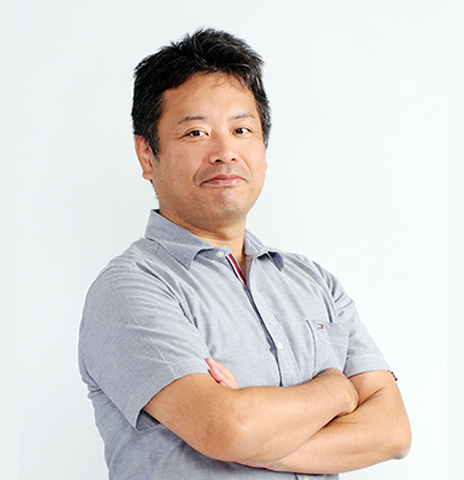
Kouki Nagamune
Professor | Ph.D. in Engineering
[mail] nagamune@eng.u-hyogo.ac.jp
Artificial Intelligence and Informatics Course
Intelligent Systems Research Group
Interactive teaching is a hallmark of Professor Nagamune's classroom approach, which incorporates elements designed to reveal how students are actually learning. His research centers on intelligent systems that support, and in some cases take over, tasks otherwise carried out by professionals in diagnosis, medical procedures, and physical rehabilitation.
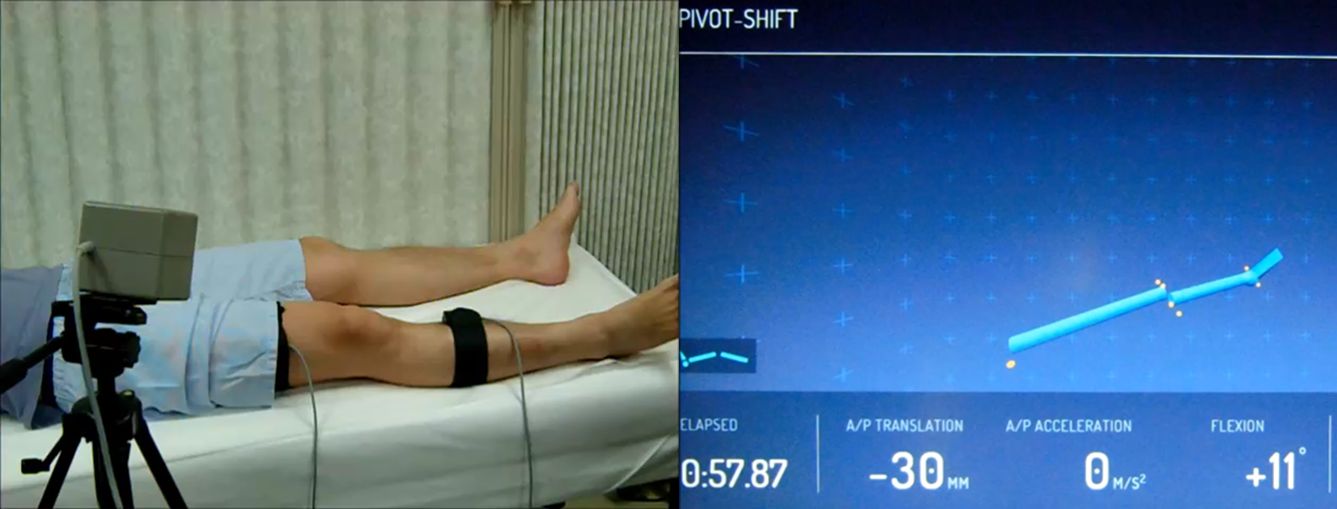
Human Motion Analysis Systems
What students can learn
This research theme equips students with practical experience in embedded systems design, camera- and inertial-sensor-based sensing, motion-data analysis, and the machine-learning techniques used to classify human movement.
This research develops systems that evaluate human movement through cameras and inertial sensors. By learning typical walking patterns and scoring how an individual's movement deviates from them, the system is intended to support training and help sustain motivation for physical activity.
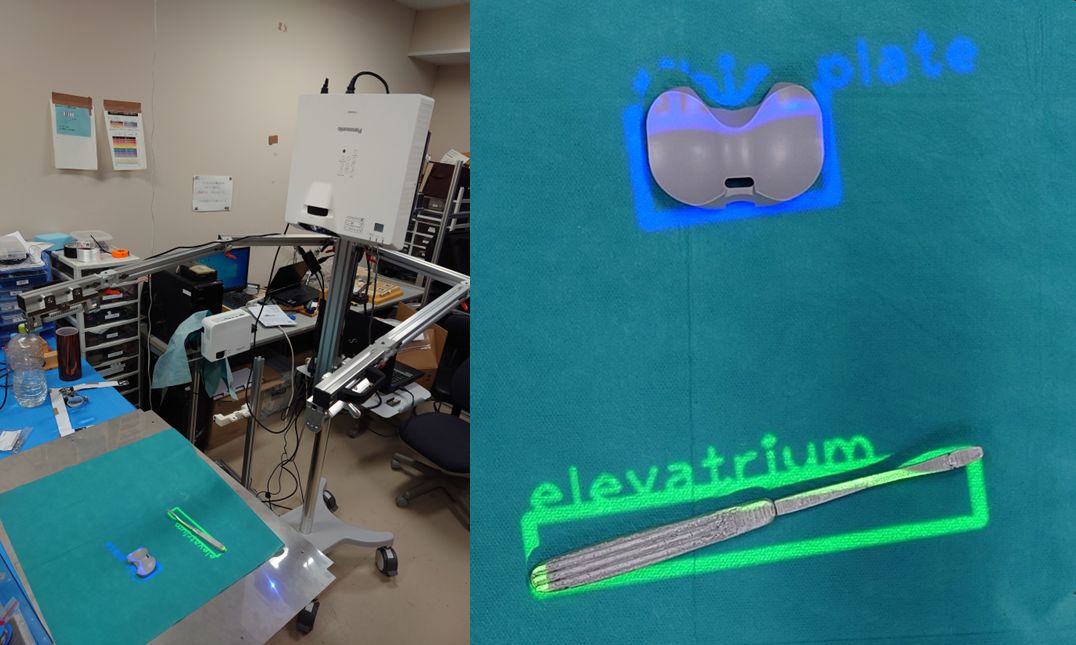
Support Systems for Professional Procedures
What students can learn
Here, students develop expertise in information-processing techniques, including machine learning, for automatically identifying regions or objects of interest within images.
One application under investigation is the automatic recognition of instruments in procedural environments. By combining camera-based object recognition with projection mapping to highlight items directly in physical space, this research seeks to reduce the workload placed on support staff.