Manabu Nii
Associate Professor | Ph.D. in Engineering
[mail] nii@eng.u-hyogo.ac.jp
Artificial Intelligence and Informatics Course
Data Science Research Group
Manabu Nii's teaching and research center on connecting core engineering principles with the technologies shaping the world around his students. His work brings together soft computing and artificial intelligence with nursing and medicine, applying intelligent systems to challenges in clinical and healthcare settings.
Automatic Quality Evaluation and Recommendation Generation in Nursing
What students can learn
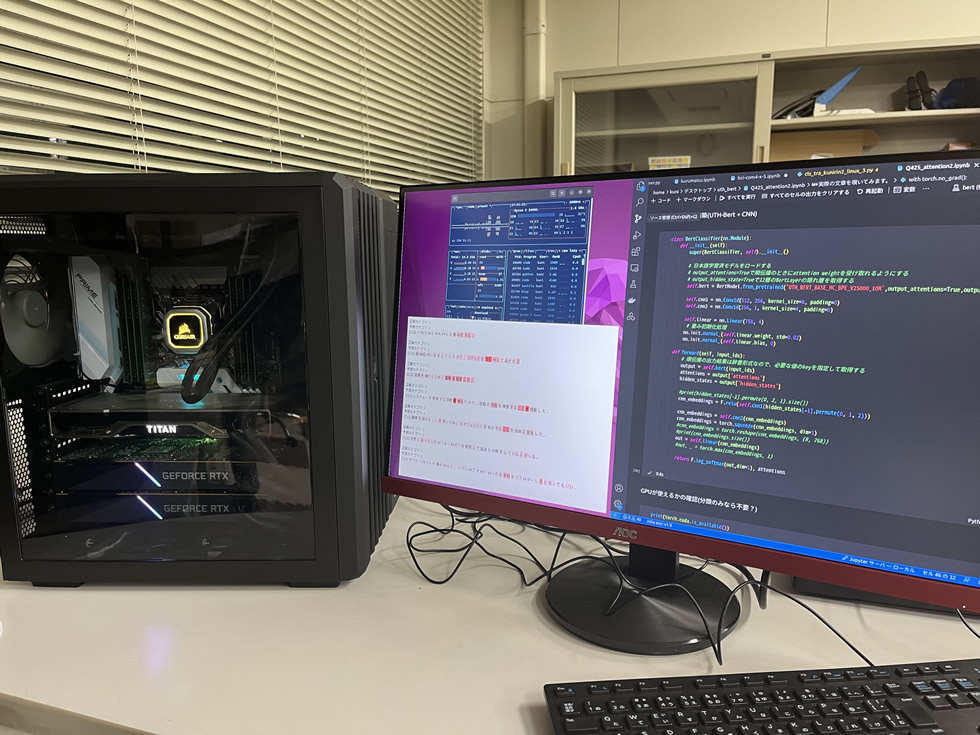
In building AI-based systems from the ground up, students develop practical programming skills and gain experience across the full software development lifecycle.
Nursing staff often find it difficult to judge the quality of their own care objectively. This research explores AI-based mechanisms that can automatically evaluate nursing quality and generate recommendations for improvement, aiming to streamline the PDCA cycle within hospitals and wards and, ultimately, to support better outcomes and quality of life for patients.
Health Condition Management Using Sensor Signal Processing
What students can learn
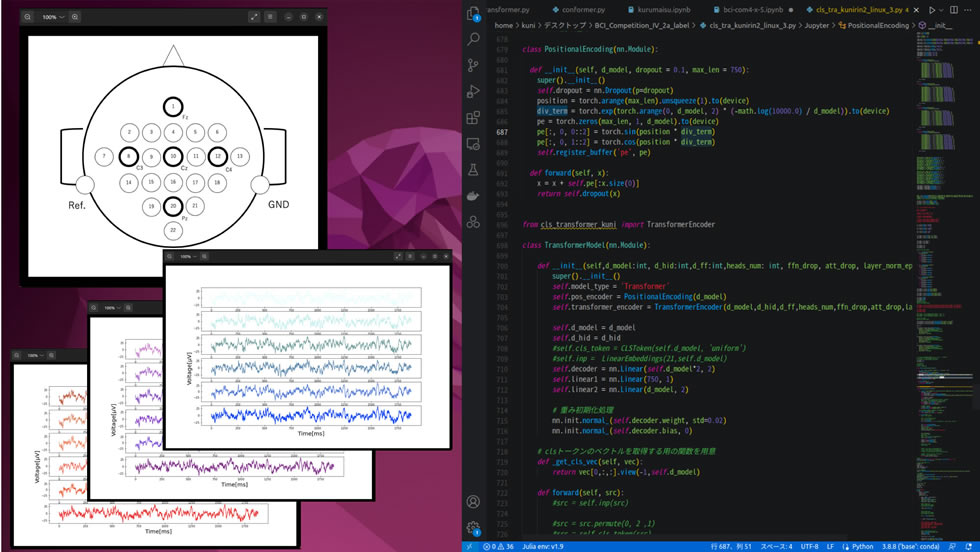
Working with real-world sensor data, students build programming and signal-processing skills applicable to a broad range of monitoring and analysis systems.
Wearable sensors can capture a range of physiological signals, including brain waves, electrocardiograms, respiration, body movement, and surface and core body temperature. This research draws on such data to develop AI-based approaches to monitoring the physical condition of people working in demanding environments, with an immediate focus on helping to prevent accidents caused by sudden changes in health.