Computational Photography for Future Cameras
What students can learn
This theme introduces the optics of lenses and image sensors, principles of image processing, and the design of machine vision systems that contribute to a safer, more convenient society.
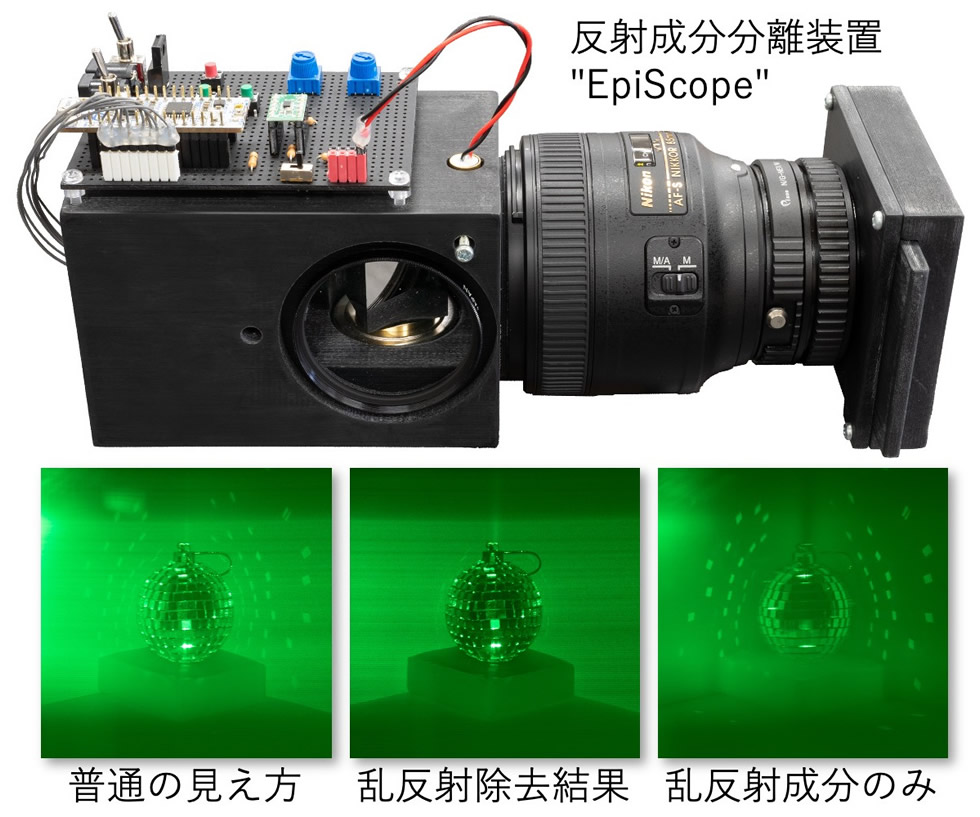
Computational photography reimagines camera design around the assumption that every captured image will subsequently be processed by a computer. This perspective opens the door to future cameras capable of refocusing after a shot is taken or removing blur and unwanted reflections. This research investigates new imaging devices and algorithms that could help bring such capabilities to life.
Material Appearance Engineering
What students can learn
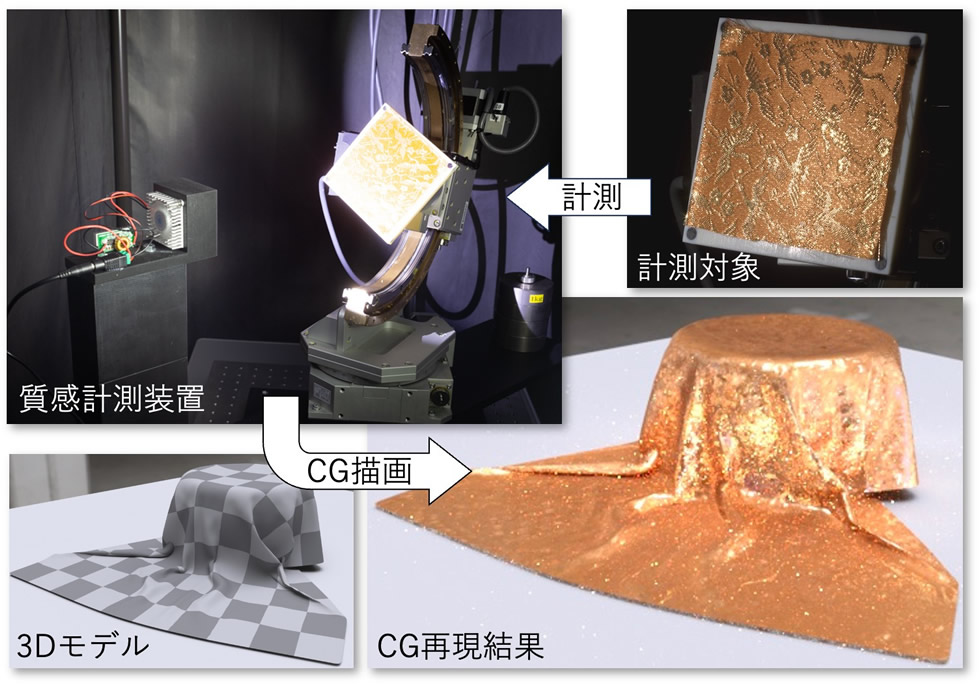
Here, students gain hands-on skills in measuring, recording, comparing, and reproducing the appearance of materials with complex reflective properties.
Material appearance engineering examines how objects such as fabrics, leather, vehicle interiors, and other everyday products appear under varying lighting and viewing conditions. Insights from this work support quality control, product design, computer graphics, game development, and digital content creation.