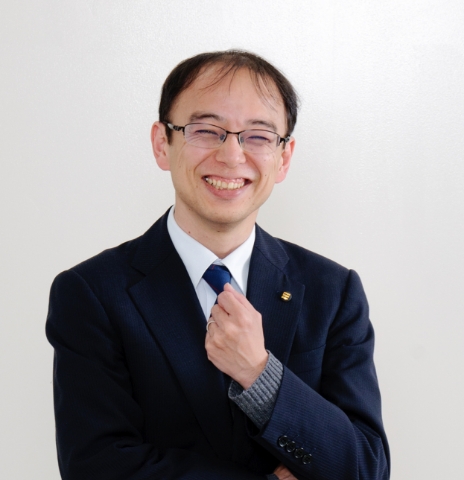
Takayuki Wada
Professor | Ph.D. in Engineering
Artificial Intelligence and Informatics Course
Systems and Mathematical Analysis Engineering Research Group
Control engineering — the discipline of shaping how dynamic systems behave over time — lies at the heart of Professor Wada's research, which extends from mechanical and electrical systems to social systems and the algorithms that govern them. In the classroom, he emphasizes building genuine intuition for the mathematics underlying these tools, rather than presenting them as abstract formalism.
Randomized Algorithms for Designing System Motion
What students can learn
In this research area, students build skills in optimization, control-system design, algorithm implementation, and system-theoretic analysis.
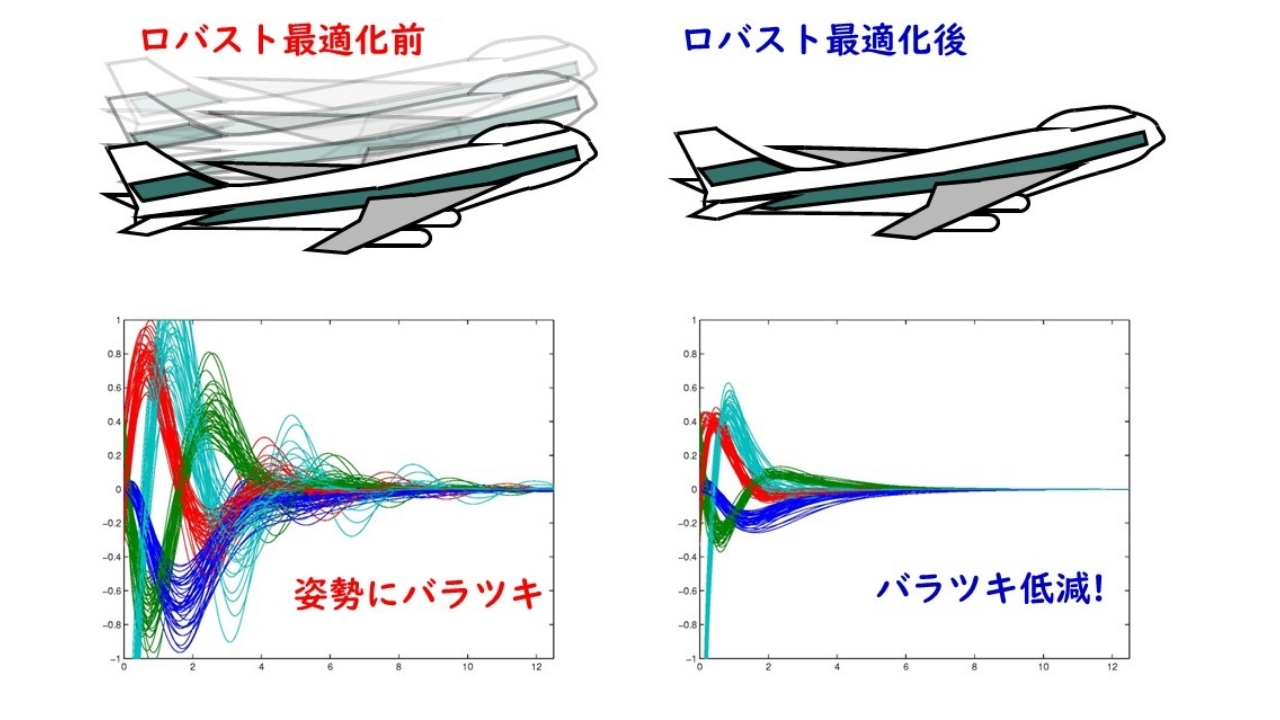
This line of research investigates algorithms for designing system motion under uncertainty. Because the models used to predict a system's behavior are rarely perfect, controllers must be designed to remain robust even in worst-case scenarios. Randomized methods offer a practical way to balance computational cost against the quality of the resulting solution.
Cooperative and Non-Cooperative Control of Multi-Agent Systems
What students can learn
Students engage with control methods alongside game-theoretic concepts for analyzing situations in which multiple decision-makers influence one another's choices.
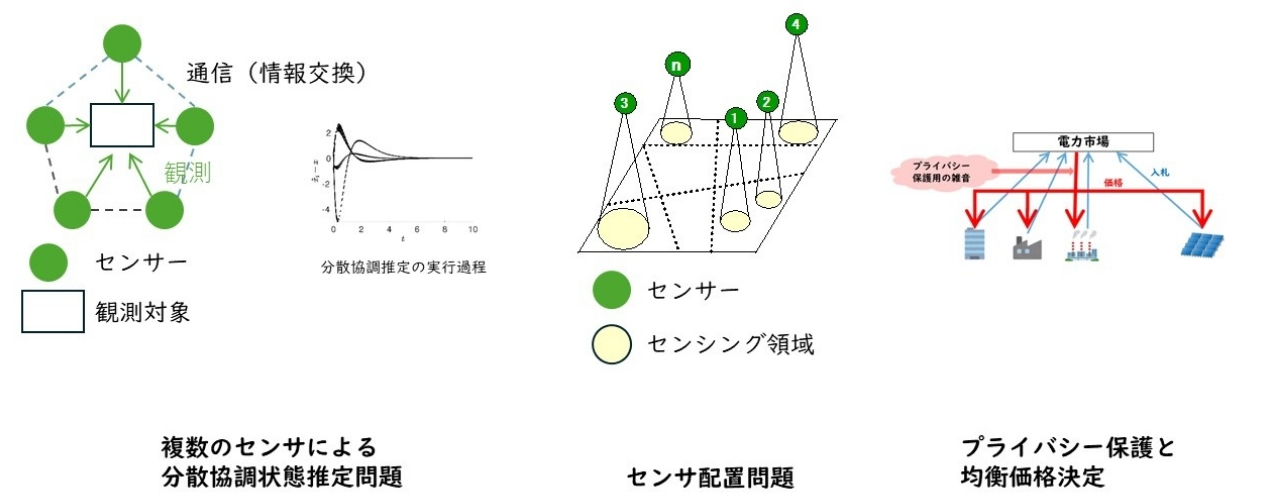
This research examines how large numbers of autonomous agents can cooperate to accomplish tasks such as distributed state estimation and wide-area sensing. It also addresses how to design evaluation functions for individual agents and how to safeguard sensitive information within networked systems.