Teijiro Isokawa works at the intersection of computer science and biology, drawing on principles of natural intelligence to design new kinds of artificial systems. His research group develops novel computational methods and applies them to practical problems where intelligent information processing can create genuine value.
In this theme, students build a solid foundation in core computational intelligence techniques, including neural networks and evolutionary computation.
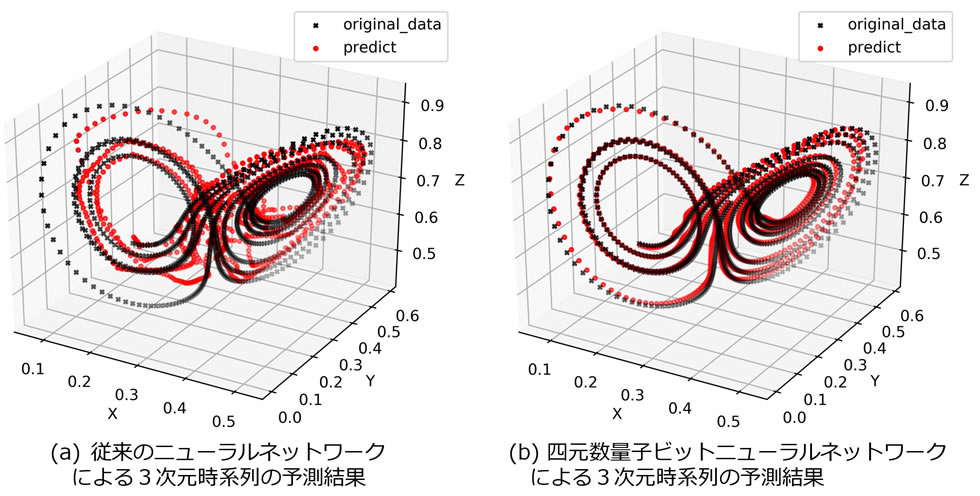
This research explores deep learning architectures that incorporate ideas from quantum information processing together with hypercomplex number systems such as quaternions. The aim is to improve learning efficiency and to help pave the way toward compact deep learning models suited to embedding in IoT devices.
Students develop hands-on skills in image recognition and analysis, applying artificial intelligence techniques to real-world visual data.
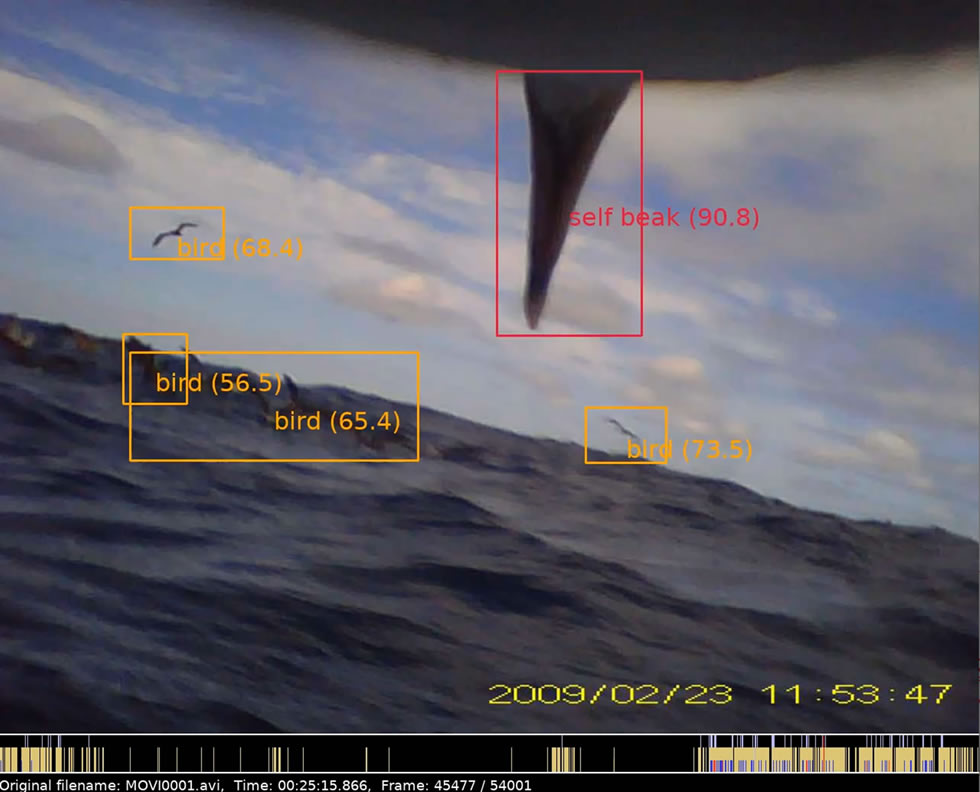
This project develops systems that automatically identify what appears in video footage recorded by cameras attached to animals such as seabirds and sea turtles. Such bio-logging data can reveal animal behavior and environmental conditions in places that are difficult for humans to observe directly, with potential applications spanning ecology, environmental monitoring, and weather-related analysis.