Mayuko Koga
Associate Professor | Ph.D. in Science
Electrical and Electronic Engineering Course
Plasma Science and Engineering Research Group
Associate Professor Koga develops technologies that support the advance of fusion power generation, an energy source now approaching practical realization. She also teaches Basic Electrical and Electronic Measurement, introducing students to the statistical methods and instrumentation principles that underlie experimental work across science and engineering.
Fuel-Injection Technology for Fusion Power Reactors
What students can learn
Through hands-on equipment development and experimentation, students build practical skills in electronic-circuit design and CAD-based component modeling.
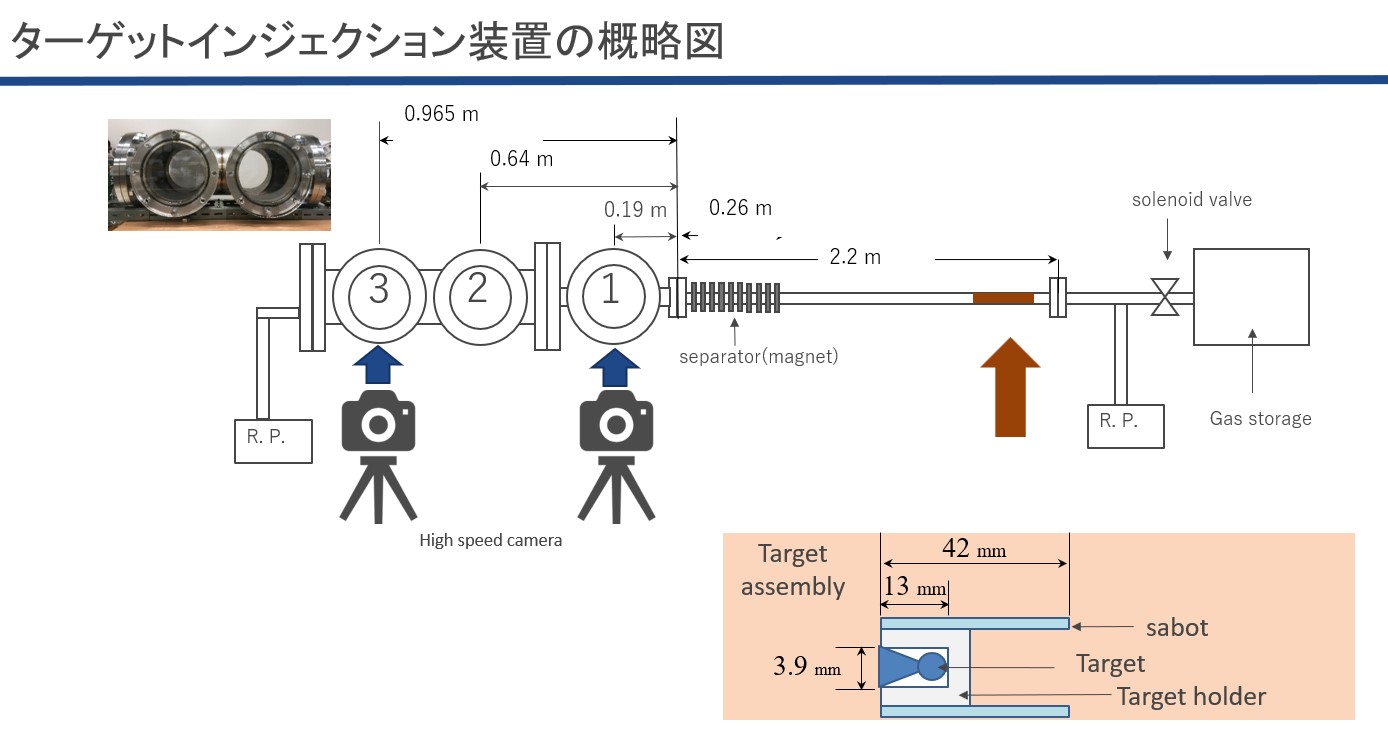
Laser-driven fusion power reactors must sustain reactions several times per second, which requires a fuel-injection system that is fast, precise, and capable of repeated operation. This research develops fuel-injection systems based on gas and electromagnetic force, an essential technology for the future realization of fusion power generation.
Development of a Lensless Microwave Camera
What students can learn
By applying machine learning to a real engineering problem, students sharpen their Python programming abilities.
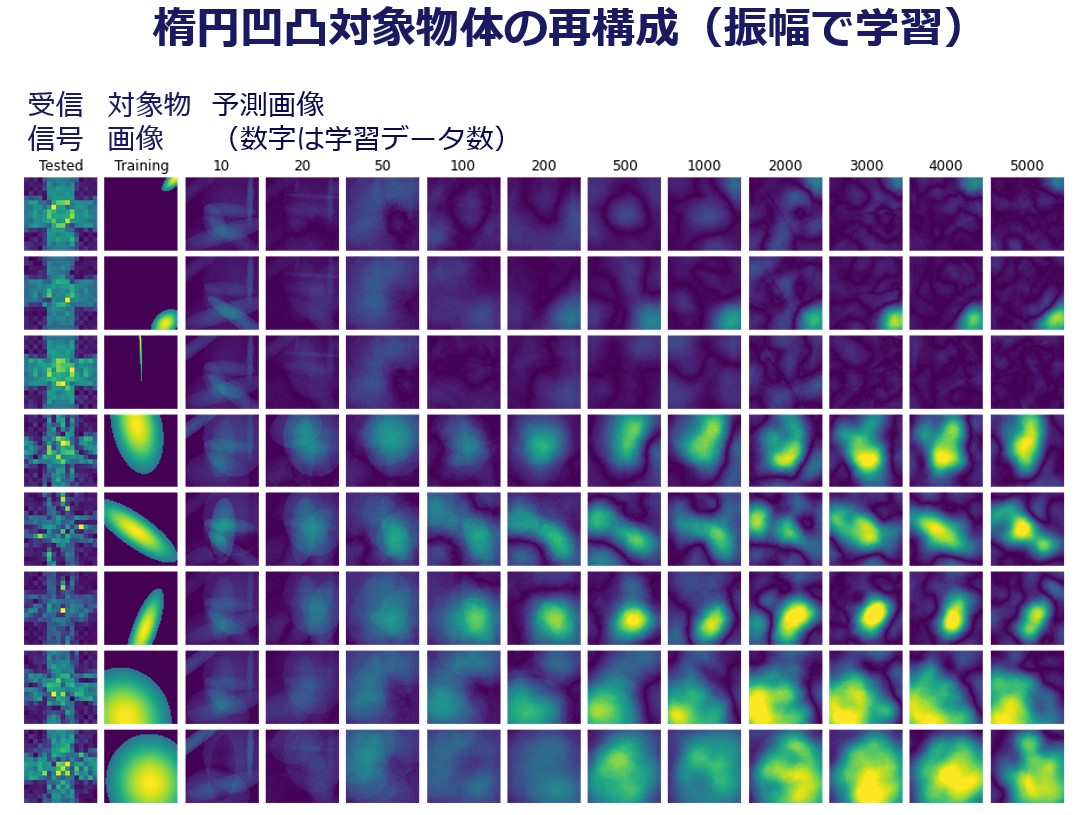
Because a lensless camera has no lens, the signals it receives do not directly form a recognizable image, making it difficult to interpret what has been captured. This research applies machine learning to reconstruct images of objects from these signals. Lensless cameras offer flexibility in installation space and resolution, and their applications may extend beyond fusion research to vehicle-mounted cameras and other fields.