Shin-ichi Honda
Professor | Ph.D. in Engineering
Electrical and Electronic Engineering Course
Nanostructures and Quantum Applications Research Group
Invisible nanoscale structures are at the center of Professor Honda's work. He develops methods to create, observe, and control such structures, investigates their electrical and electronic properties, and harnesses the quantum behavior of electrons, light, and ions to evaluate and modify materials at the atomic scale. He also teaches a range of courses, from basic electric circuits to nanoelectronic materials.
Creating Nanostructures with Different Dimensionalities for Next-Generation Electrical and Electronic Devices
What students can learn
This theme introduces the fundamentals and applications of semiconductors, the distinctive properties of nanoscale structures, and the techniques used to fabricate them.
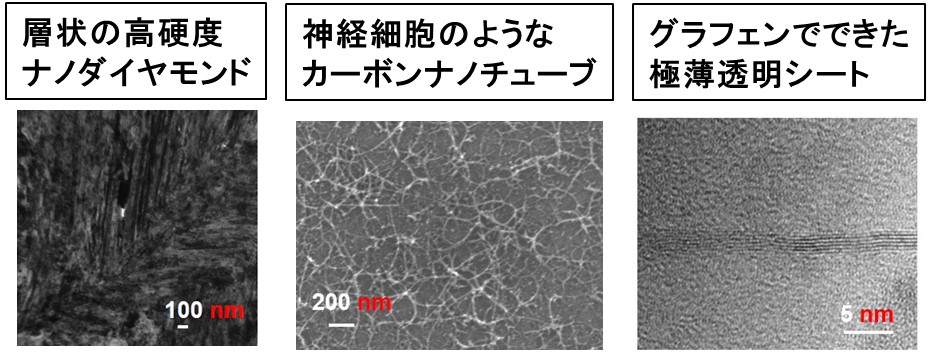
This research develops techniques for creating, observing, and controlling nanoscale structures, focusing on how dimensionality shapes electrical and electronic properties. Examples include nanodiamond as a zero-dimensional carbon material, carbon nanotubes as one-dimensional materials, and graphene as a two-dimensional material. The work aims to improve semiconductor performance and to contribute to resource conservation, lower power consumption, and reduced energy loss.
Quantum-Based Evaluation and Modification of Nanostructures with Different Dimensionalities
What students can learn
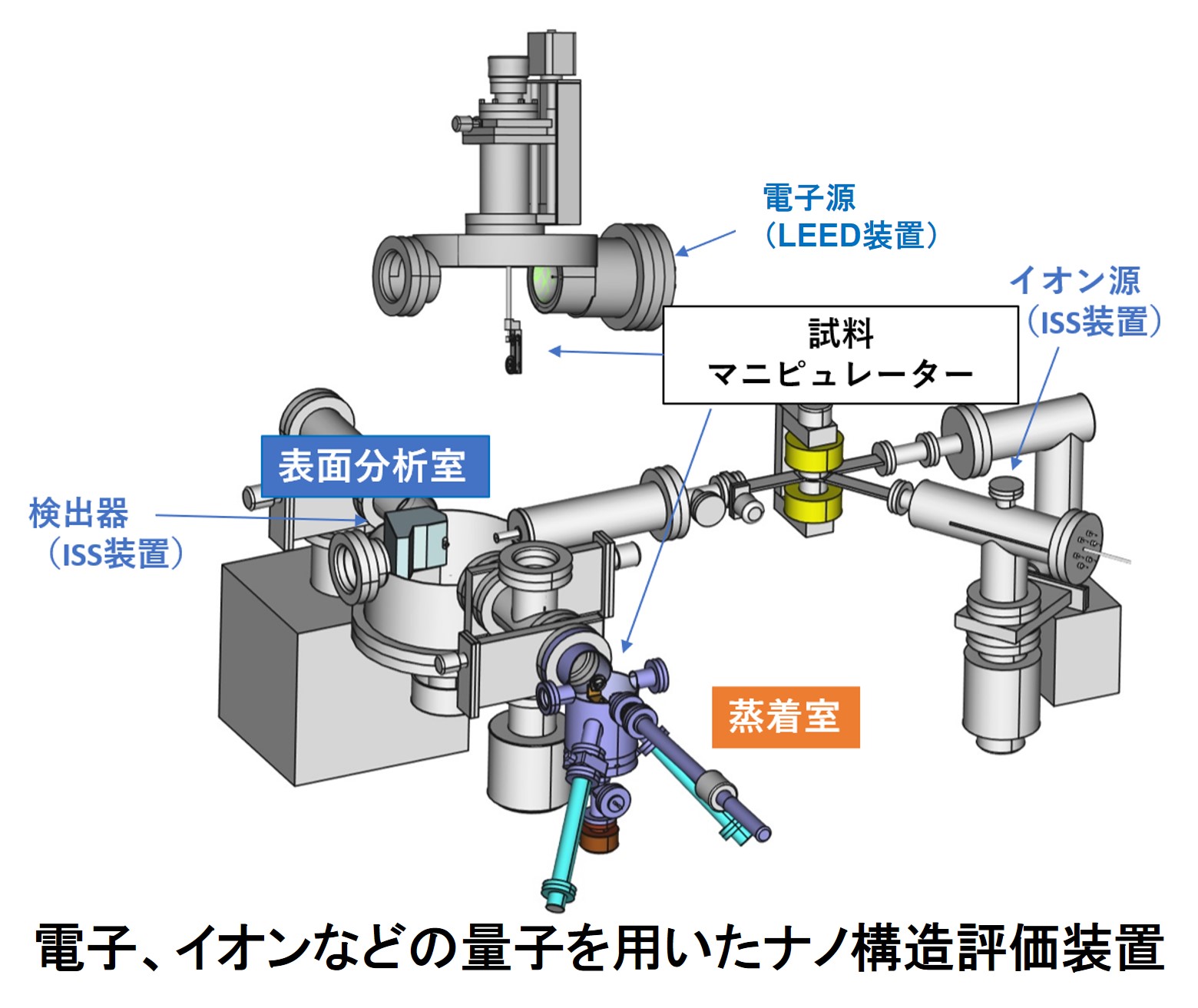
Through this research theme, students gain a grounding in quantum-based evaluation of nanoscale structures, in-situ observation techniques, and the ways collisions with quantum particles can modify materials.
This research evaluates nanoscale structures using quantum probes such as high-intensity light, observes their formation processes in situ, and examines how collisions with quantum particles can modify materials.