Shunjiro Fujii
Associate Professor | Ph.D. in Engineering
Electrical and Electronic Engineering Course
Nanoelectronics Research Group
Working at the intersection of materials science and device engineering, Associate Professor Fujii guides students through the full breadth of electrical, electronic, and information engineering, from foundational theory to the digital measurement techniques required to characterize real electrical and electronic equipment. His own research applies nanoscale materials, such as carbon nanotubes, to the development of advanced electronic devices.
Electronic Device Applications Using Nanocarbon Materials
What students can learn
Because the work spans everything from material synthesis to device fabrication, students develop hands-on experimental skills and knowledge that bridge electrical and electronic engineering with chemistry.
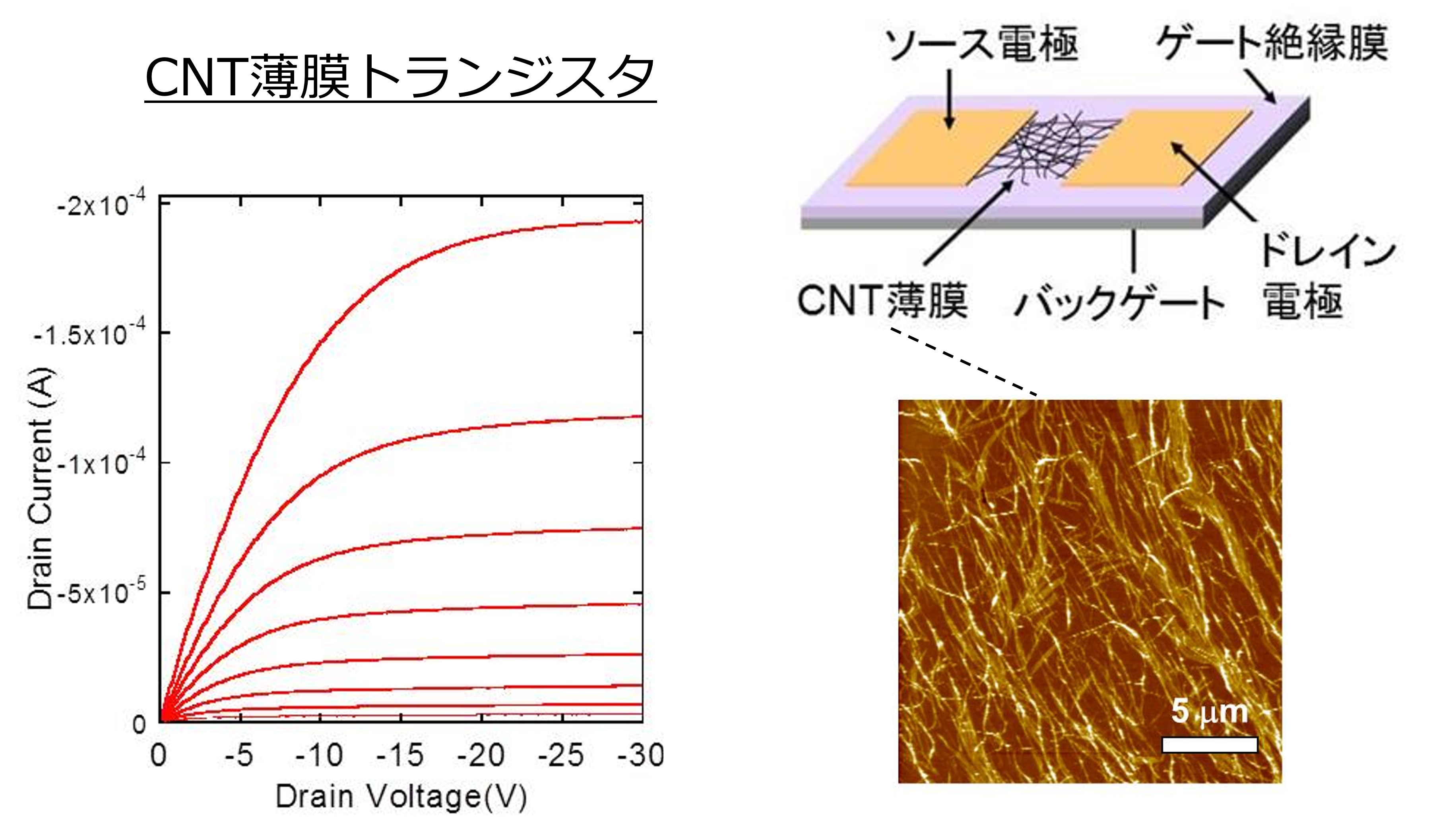
This research investigates the use of nanocarbon materials, such as carbon nanotubes and graphene, in electronic devices. Composed entirely of carbon, these materials are environmentally friendly and offer properties such as flexibility and resistance to fracture. The group incorporates them into thin-film transistors and transparent electrodes, aiming to realize flexible electronic devices.
Creation of Two-Dimensional Atomic-Layer Materials and Energy Conversion Devices
What students can learn
Students cultivate proficiency in nanoscale measurement using atomic force microscopy, together with techniques for evaluating optoelectronic devices such as solar cells.
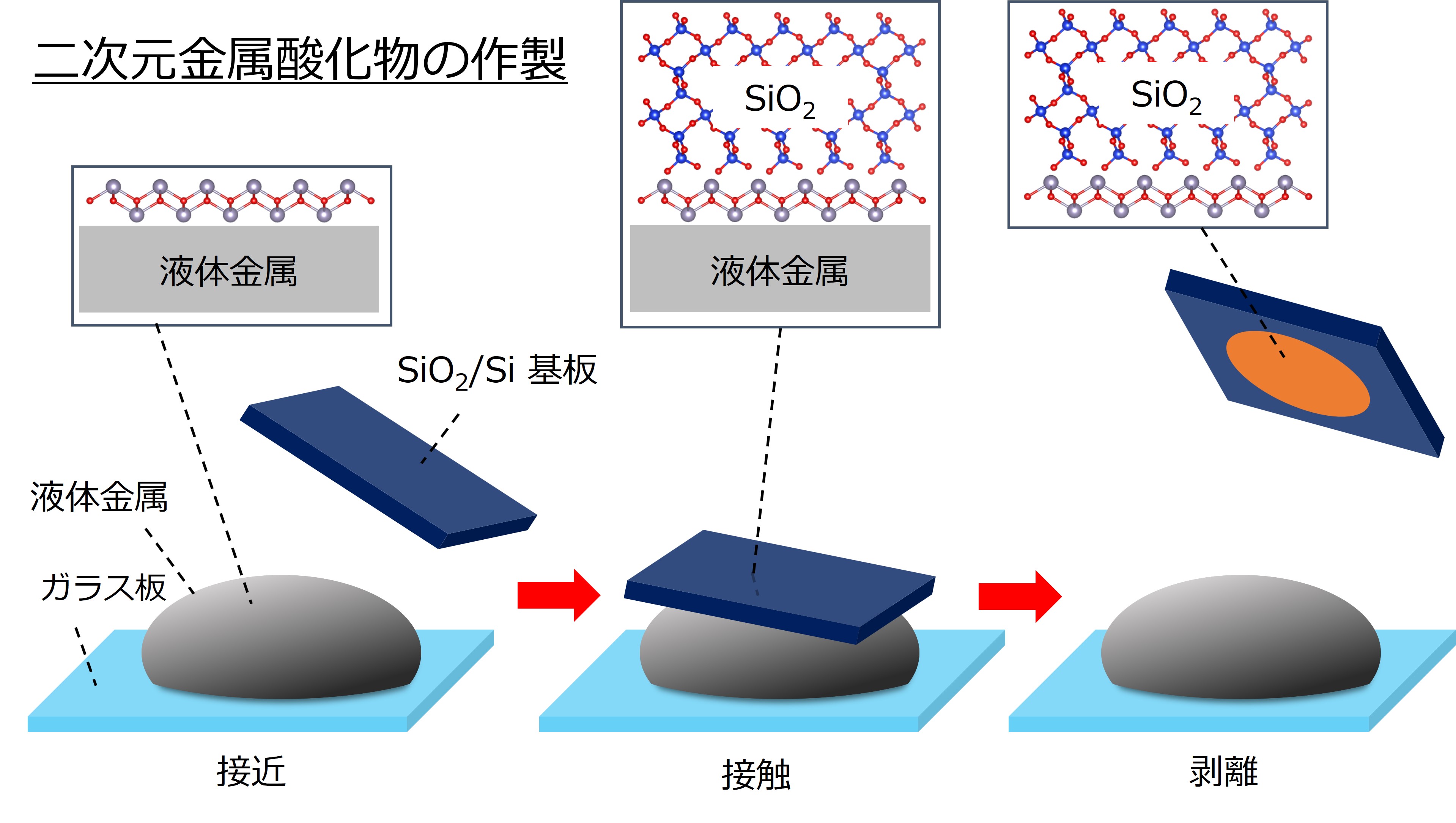
Since the discovery of graphene in 2004, a range of two-dimensional layered materials, including transition-metal dichalcogenides, have attracted attention as candidates for next-generation electronic materials. This group examines two-dimensional metal oxides with atomic-scale thickness and seeks to develop new energy conversion devices, such as solar cells, based on two-dimensional atomic-layer materials.