Satoru Suzuki
Professor | Ph.D. in Science
Field of Synchrotron Radiation Engineering
Field of Synchrotron Radiation Engineering
Working in the field of synchrotron radiation engineering, Satoru Suzuki investigates the electronic properties, chemistry, and reactions of materials, drawing on nanotechnology, vacuum technology, and catalyst research, with findings that extend to applications such as automotive engineering. This work links specialized experimental knowledge with education across the School of Engineering and Graduate School of Engineering.
Research on materials, vacuum technology, and analysis
What students can learn
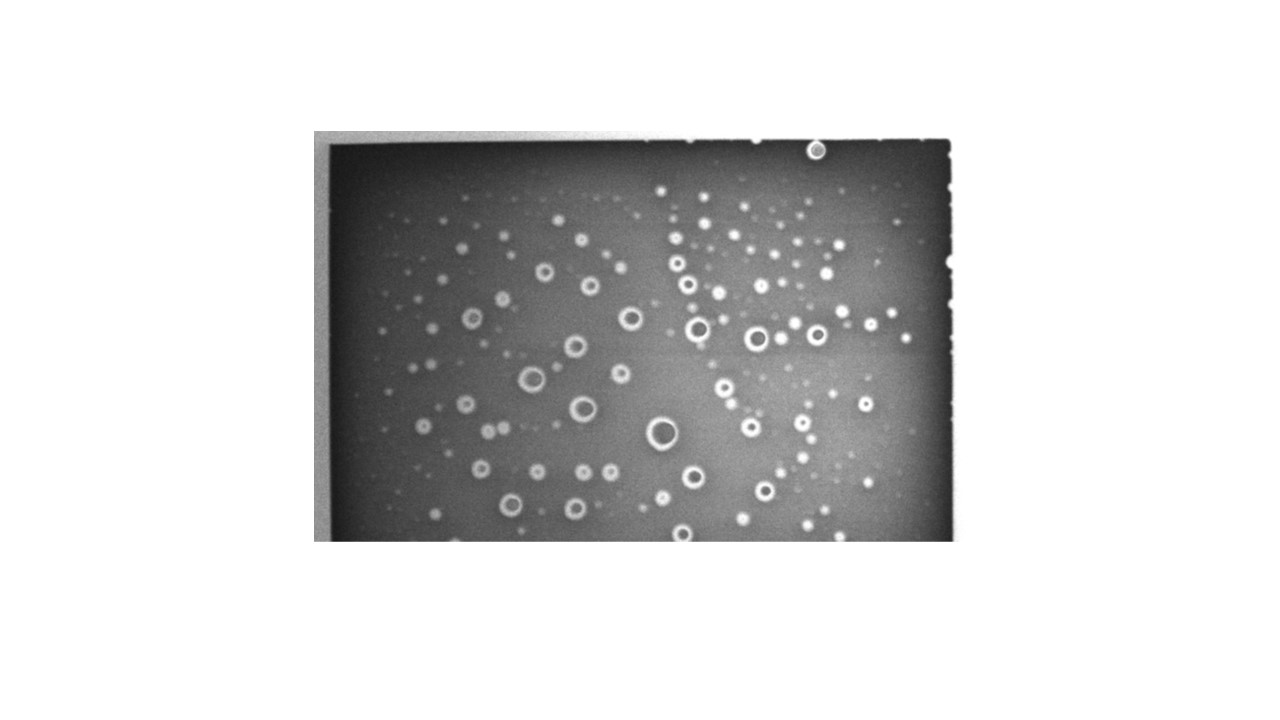
In this laboratory, students gain hands-on experience with vacuum technology, X-ray techniques, and spectroscopy, applying these tools to examine the structure and electronic properties of materials, including food materials, at the nanoscale. Along the way, they build skill in experimental design, data interpretation, and communicating technical findings clearly.
This research theme examines the structure and electronic properties of materials, including nanomaterials and food materials, through vacuum-based techniques such as X-ray analysis and spectroscopy. By connecting fundamental physical principles with practical analytical methods, the work builds the ability to define research questions, evaluate experimental evidence, and propose solutions grounded in materials science.
Research on electronic properties, spectroscopy, and optics
What students can learn
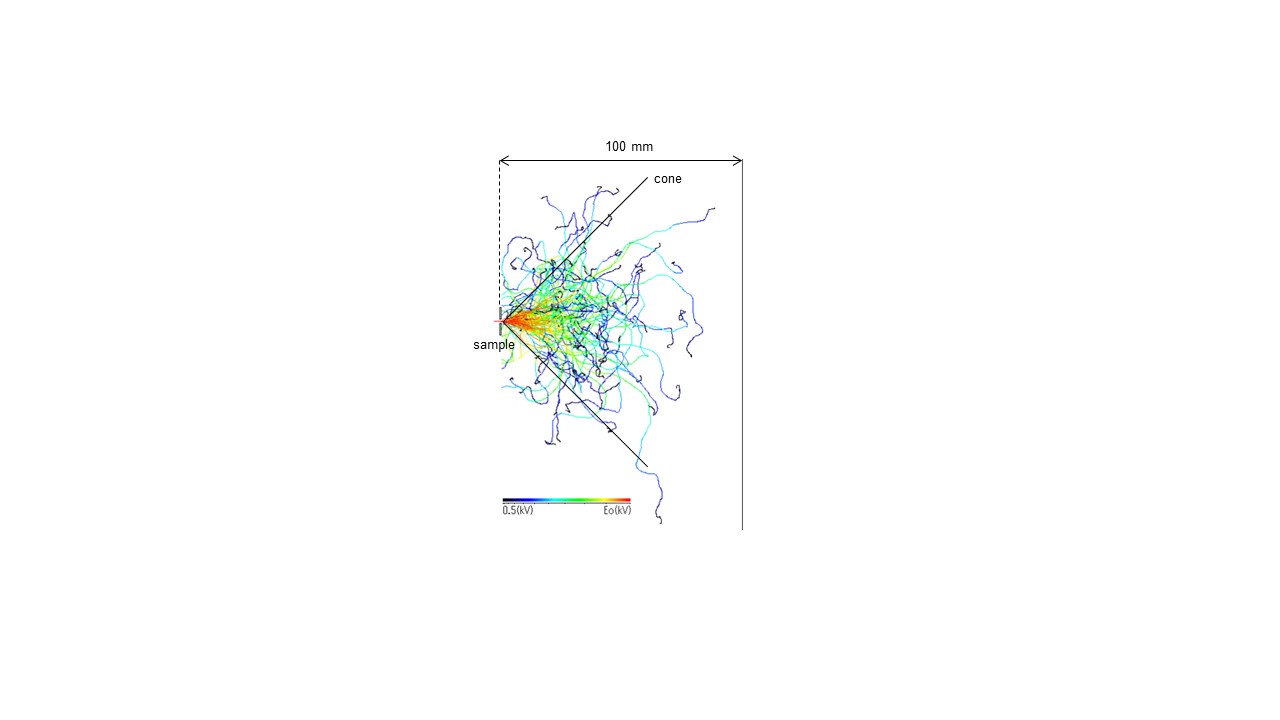
Students taking part in this theme explore how catalysts and materials behave at the electronic and chemical level, using vacuum technology and spectroscopic analysis to probe reaction mechanisms relevant to fields such as automotive engineering. Through this process, they build competence in experimental and analytical methods, careful interpretation of data, and effective technical communication.
This research theme investigates the electronic properties, chemistry, and reaction mechanisms of catalytic materials, with vacuum technology and spectroscopic analysis supporting applications that include automotive engineering. The work bridges fundamental chemistry and materials science with engineering practice, fostering the ability to define problems, assess evidence, and develop practical, evidence-based solutions.