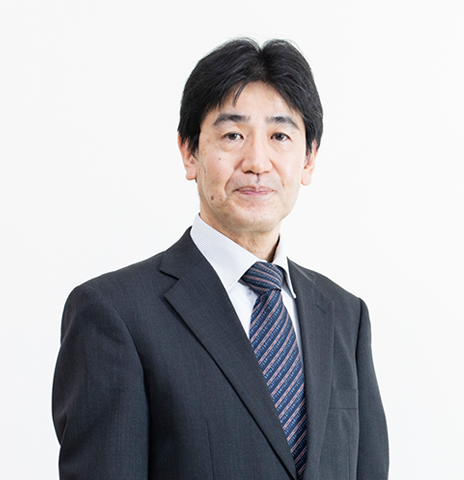
Yuuichi Haruyama
Professor | Ph.D. in Science
Field of Synchrotron Radiation Engineering
Field of Synchrotron Radiation Engineering
Working in the field of synchrotron radiation engineering, Yuuichi Haruyama investigates the structure and properties of materials through the control, design, and analysis of synchrotron radiation and vacuum-based surface science techniques, with particular attention to nanotechnology applications. His work bridges advanced instrumentation and fundamental materials science, bringing this specialized engineering knowledge into teaching and research across the School of Engineering and Graduate School of Engineering.
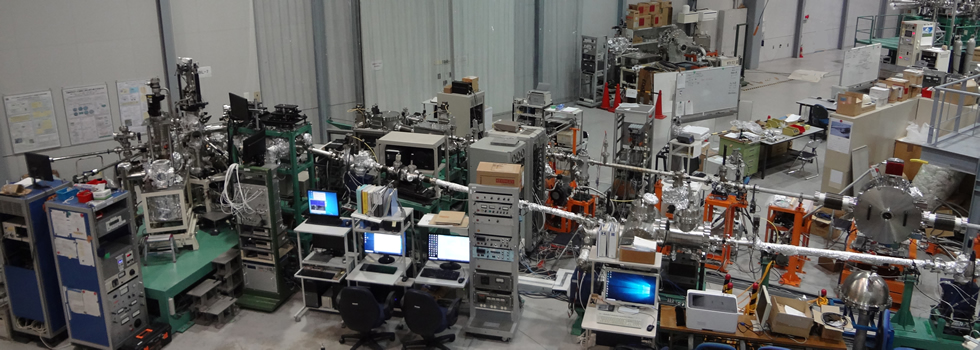
Research on synchrotron radiation, materials, function, electronic properties, spectroscopy, and optics
What students can learn
Students working in this area develop practical skills in using synchrotron radiation to probe the structure, function, and electronic properties of materials, gaining hands-on experience with control and analysis techniques in surface science, careful interpretation of experimental data, and effective communication of technical findings.
This research theme examines how synchrotron radiation can be applied to characterize the structure, function, and electronic properties of materials, combining control and analytical techniques from surface science. By linking fundamental physical principles to engineering applications, the work helps students build the ability to define research problems, evaluate experimental evidence, and propose practical solutions.
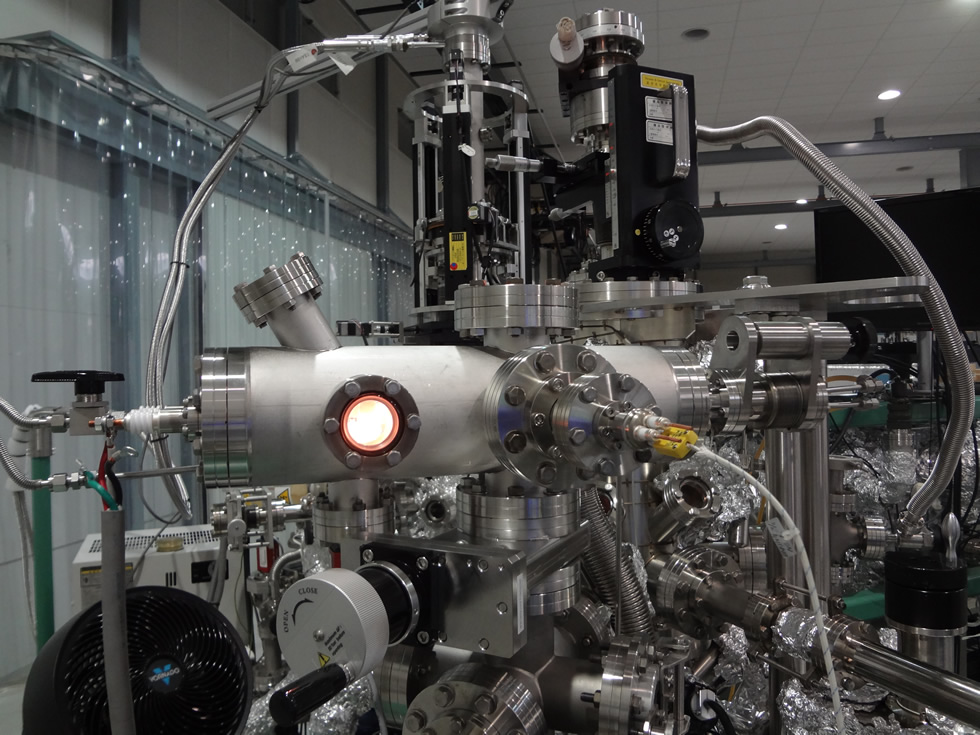
Research on surface science, hydrogen, and water
What students can learn
This theme gives students the opportunity to explore how vacuum technology and surface science methods can be used to study materials involved in hydrogen-related oxidation and catalytic processes, while building competence in experimental and analytical techniques, rigorous data interpretation, and clear presentation of technical results.
This research theme investigates the design and control of materials for hydrogen-related applications, focusing on surface science and vacuum technology to understand oxidation processes and catalytic behavior. By connecting these fundamental principles to engineering practice, the work helps students develop the ability to define problems, evaluate evidence, and propose practical solutions.