Koji Arafune
Professor | Ph.D. in Engineering
Applied Chemistry Course
Field of Applied Chemistry
In lectures, rather than asking students to memorize strings of formulas, the aim is to help them understand the conditions under which such formulas apply and what insights emerge when they are actually put into practice. The term "transport phenomena," which gives the research group its name, reflects a way of thinking that interprets everyday changes in terms of temperature, concentration, and velocity. This perspective extends beyond chemistry, offering a viewpoint that crosses a wide range of fields.
Development of High-Efficiency, Low-Cost Solar Cells
What students can learn
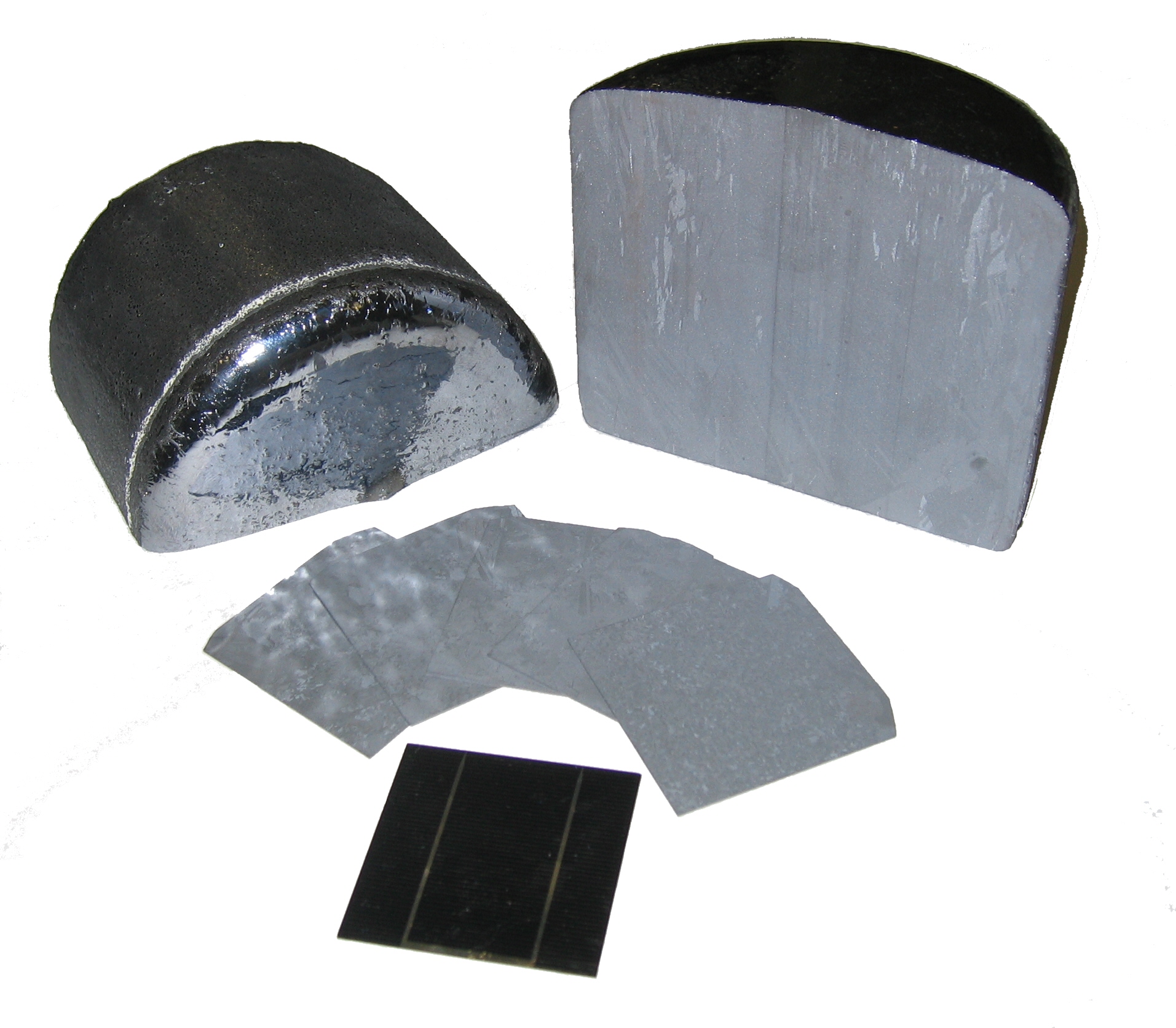
Students gain an understanding of the challenges currently facing renewable energy sources such as solar and wind power, along with the operating principles of solar cells and the fundamentals of semiconductor physics. In addition, they acquire the practical techniques required to fabricate solar cells.
This research investigates new materials and processes capable of achieving both higher solar cell performance and lower manufacturing costs simultaneously. Improving performance depends critically on how effectively sunlight can be captured and converted without loss, and to this end, thin films with a variety of properties are developed and evaluated. Solar cells have attracted attention as a clean means of power generation, yet their adoption remains limited. Achieving higher efficiency and lower cost would extend their use to developing regions without established electrical grids, potentially supporting safer and more stable daily life.
Exploring Metal Oxide Thin Films with Distinctive Functional Properties
What students can learn
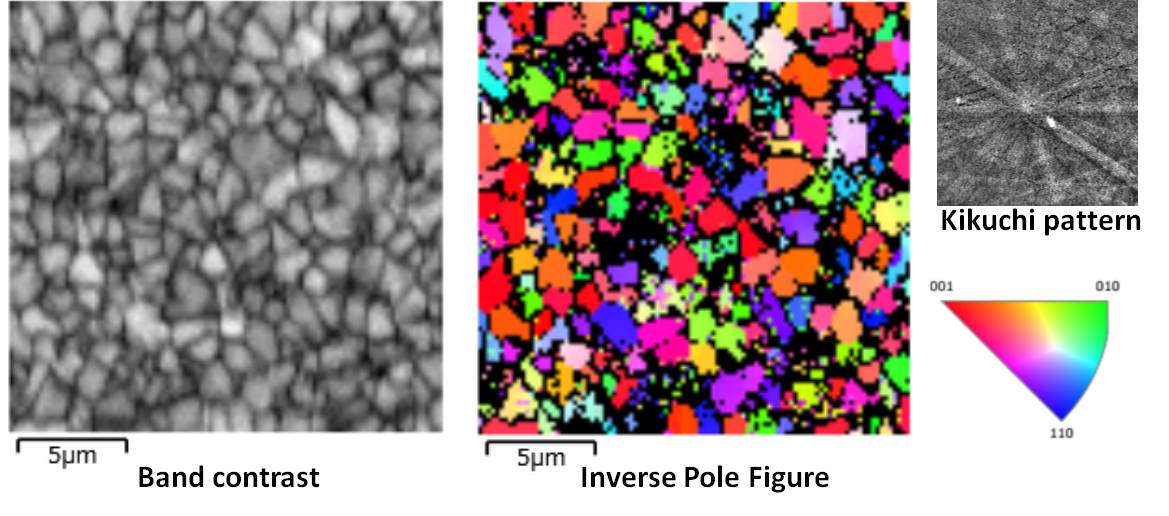
Students acquire thin-film fabrication techniques of practical value to engineers, together with methods for surface observation, elemental analysis, and crystallinity assessment using scanning electron microscopy, as well as structural evaluation techniques employing ultraviolet, visible, and infrared spectroscopy.
Metal oxides exhibit a wide range of functions, including light-emitting devices, power devices, photocatalysts, and insulators. These functions vary depending on the type of metal, the degree of oxidation, and the ratio of amorphous to crystalline phases. Notably, introducing metal species with different valence states can sometimes yield properties quite different from what might be expected. The discovery of new materials of this kind is expected to contribute to a more sustainable society, through further gains in energy efficiency and the development of devices that do not rely on scarce elements.