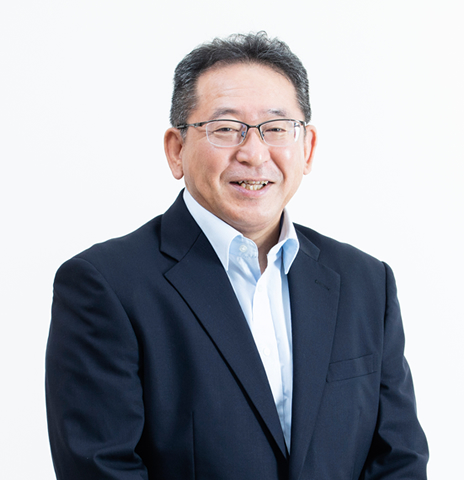
Masahiro Takeo
Professor | Ph.D. in Engineering
Applied Chemistry Course
Field of Applied Chemistry
In his lectures, Professor Takeo strives to cultivate the ability to view and understand our surrounding environment through the lens of science, and to address the challenges of sustainable development from the perspective of biotechnology.
His research draws fully on the power of living organisms—particularly microorganisms—and the technologies that harness them, spanning environmental purification, the production of useful substances, and advanced biosensing. Because each of these themes relies on biological function, they form the basis of the research group's name.
Elucidating the Biodegradation of Hazardous Chemicals Such as Pesticides and Environmental Hormones, and Developing Purification Methods
What students can learn
Students gain the knowledge needed to accurately trace the fate of chemical substances released into the environment, together with the biotechnological and chemical-analysis skills—such as bioremediation and wastewater treatment—required to translate that understanding into concrete environmental improvements.
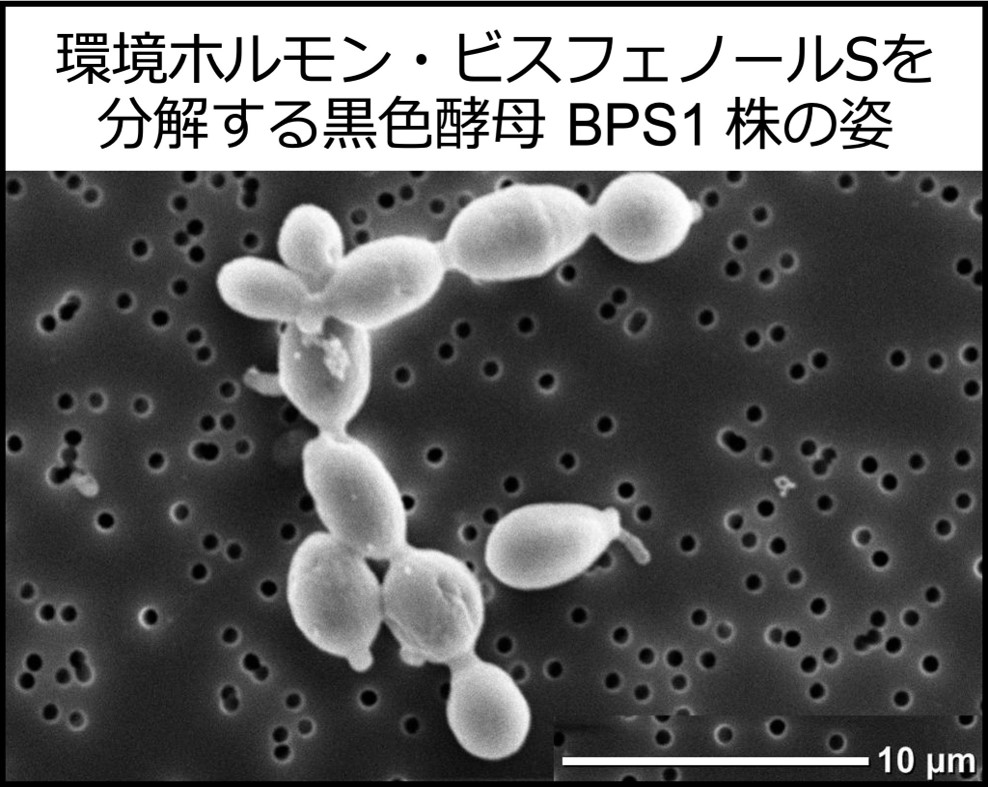
Aromatic compounds bearing substituents such as nitro, amino, and sulfone groups are used in large quantities in the manufacture of pesticides, dyes, detergents, and pharmaceuticals. Because many of these compounds are highly toxic, removing them at the source—such as in industrial wastewater—is essential. This research investigates the microbial degradation mechanisms of aniline and nitrophenol, both common structural components of pesticides and dyes, as well as bisphenol S, a substance with endocrine-disrupting activity known to alter the sex of living organisms, with the aim of contributing to their treatment. Microorganisms capable of degrading such compounds offer an inexpensive, environmentally friendly technology already applied in wastewater treatment and soil remediation.
Production of Microbial Flocculants
What students can learn
Converting inexpensive carbon resources found in organic waste streams into high-value products is a task at which biotechnology particularly excels. Through this theme, students acquire practical skills in handling microorganisms, genetic manipulation, and fermentation technology.
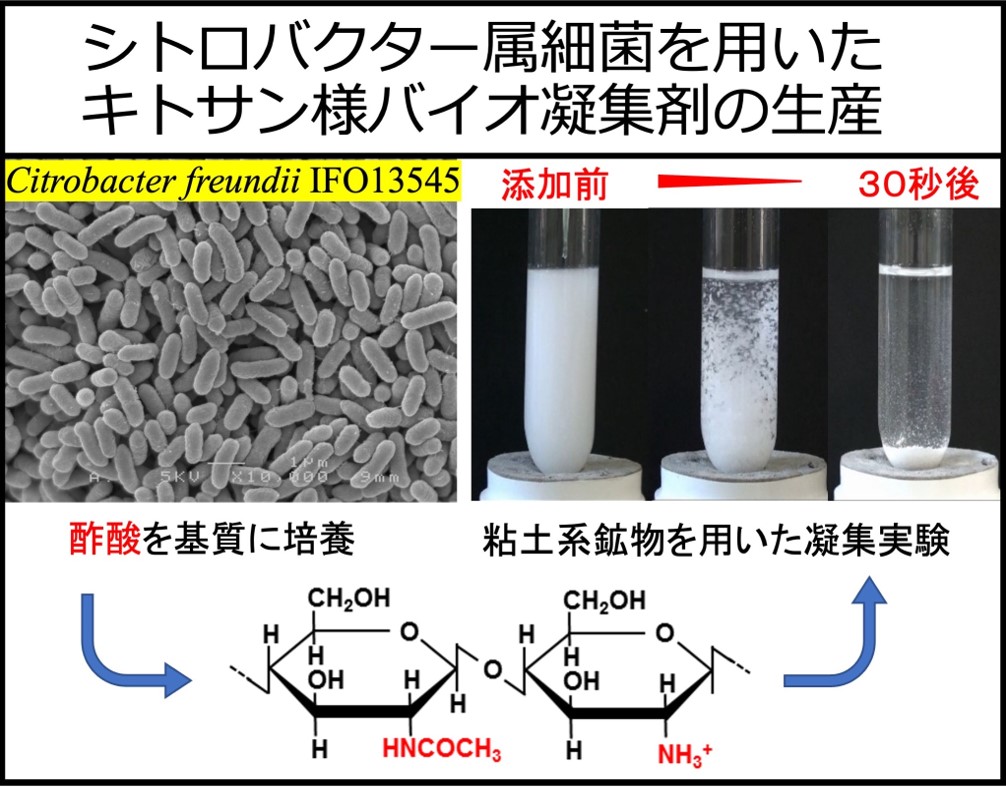
A strain of Citrobacter bacteria maintained in our laboratory secretes large quantities of a chitosan-like amino polysaccharide into the culture medium when grown on acetate as its carbon source. Because this polysaccharide exhibits strong flocculating activity, we are working to develop it as a flocculant for removing turbidity from water. Through genetic breeding and optimization of culture conditions, we have obtained an improved strain with more than twenty times the activity of the wild type, and we aim to use such strains for the industrial production of this flocculant.