Masayoshi Abo
Associate Professor | Ph.D. in Engineering
Mechanical Engineering Course
Field of Mechanical Engineering
In his lectures, Associate Professor Abo emphasizes correctly interpreting phenomena represented in graphs, explaining both the meaning of translating one's own findings into graphs and charts and the difficulty of cultivating originality in engineering. His research follows an experiment-driven approach to product improvement, consistently comparing computational and experimental results to sharpen an engineering sense grounded in verification and in learning from failure.
Improving Wear Resistance through Rolling Bearings and Their Lubricating Oils
What students can learn
In bearing design, students learn to evaluate the strength of products and components through stress analysis using 3D CAD. They also learn how to formulate additive packages and select base oils for lubricants and greases, along with methods for refining and evaluating new products.
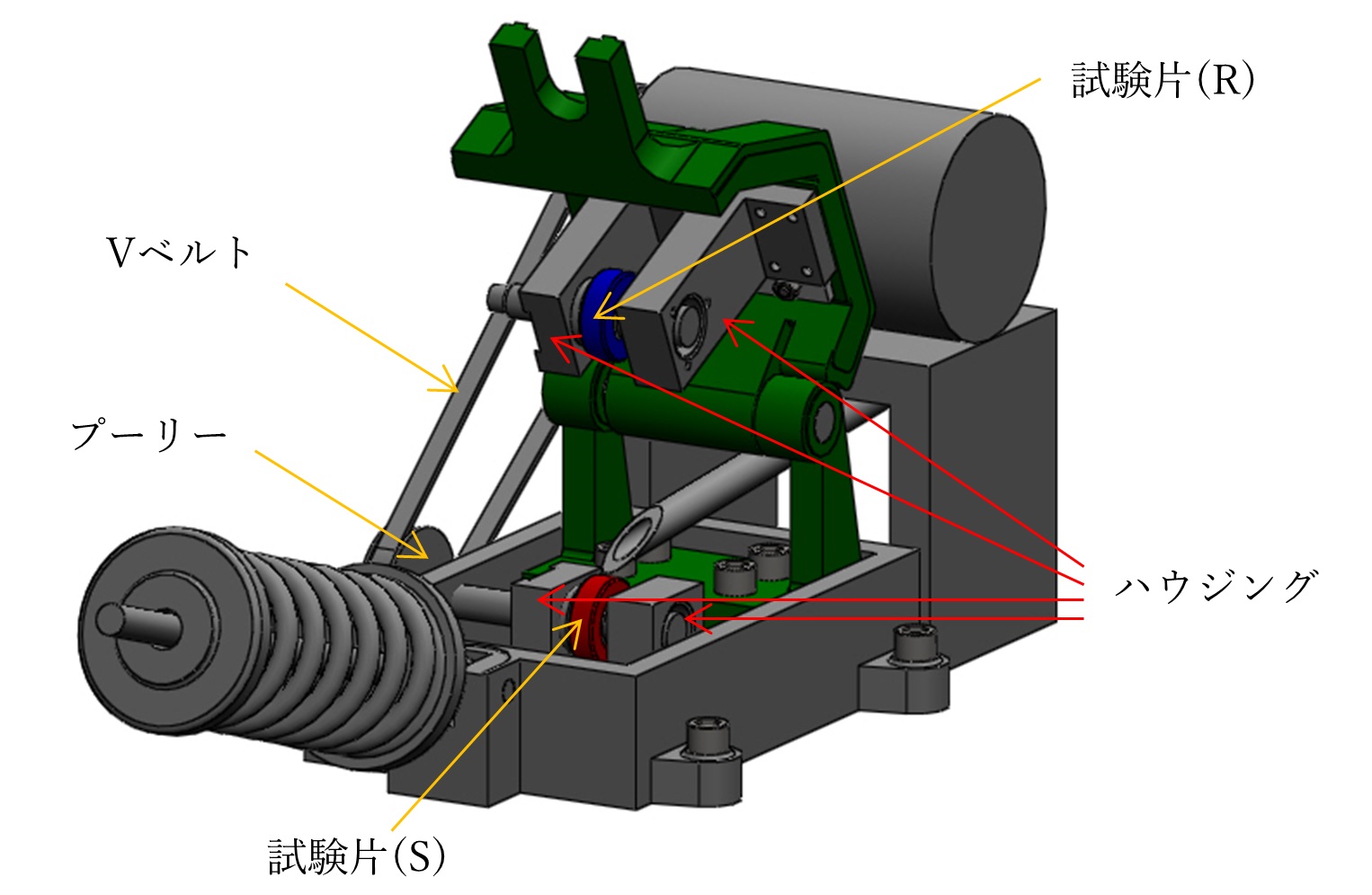
Rolling bearings support the rotating parts driven by motors in applications such as wind turbines, electric vehicles, and drones. As batteries grow larger in capacity and longer-lasting, these bearings are increasingly subjected to high currents and high frequencies, and leakage current from the motor can cause electrical discharge between the balls and the inner and outer rings, leading to electrical erosion. In addition, under extremely low rotational speeds, such as wind-turbine startup or a vehicle's idling-stop system, an oil film cannot form between the balls and rings, resulting in serious damage. To address these problems, this research seeks to understand the structure of rolling bearings and to optimize the shape of the balls, inner ring, outer ring, and cage together.
Development of Anti-Loosening Methods and Agents for Screws
What students can learn
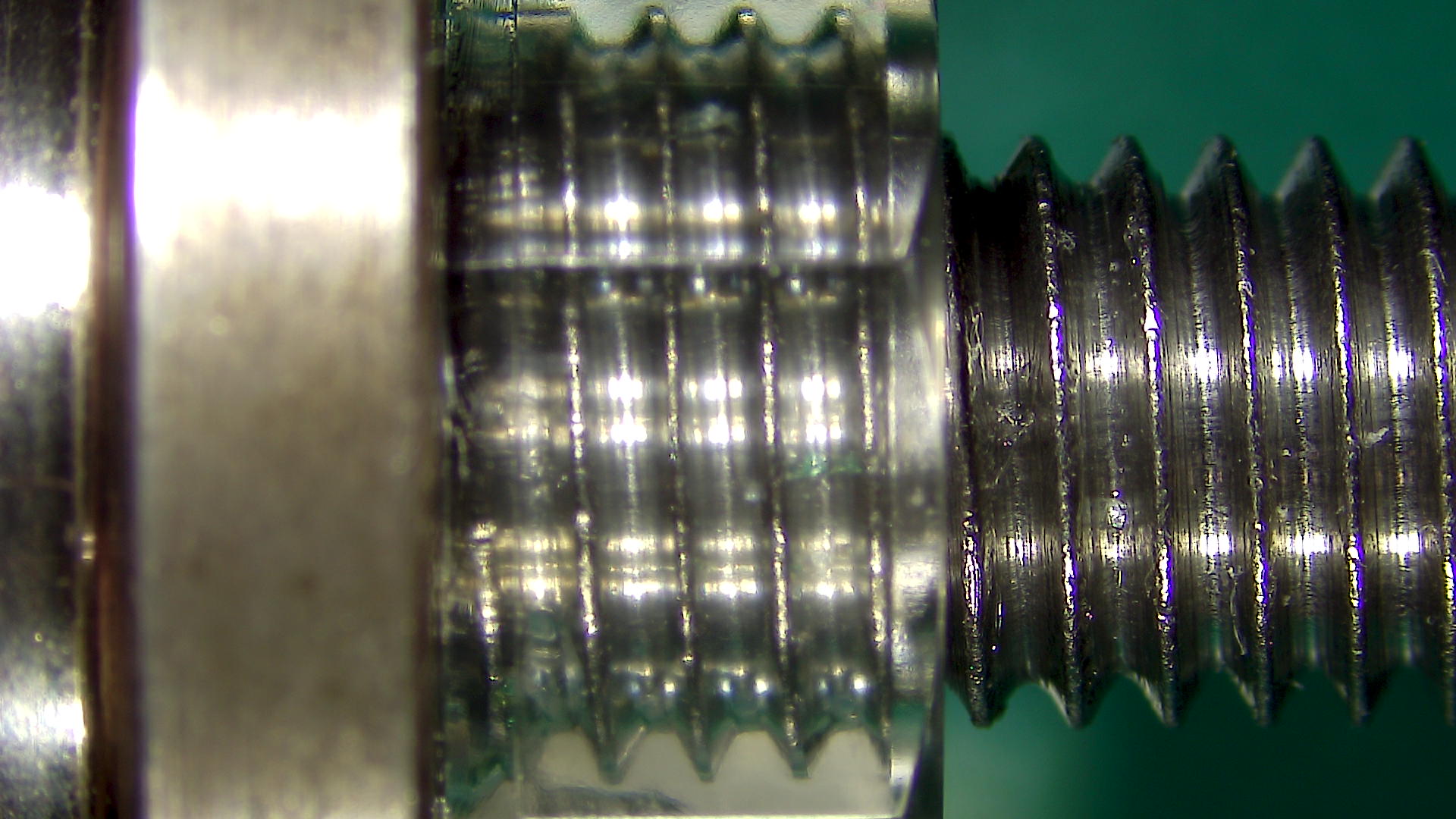
Students learn experimental methods for evaluating strength and frictional force, skills essential to any engineer, along with microscopic observation of friction surfaces, surface analysis, and techniques for formulating lubricants and greases that enhance friction.
Many products exist to prevent bolt-and-nut fastenings from loosening, and this research examines an unconventional approach that drives a wedge between the bolt and nut. In parallel, the work develops friction-enhancing agents that increase the coefficient of friction at a bolt's threads and head. Applying these agents as an anti-loosening treatment can dramatically improve the reliability of threaded fastenings that have long been prone to loosening under vibration, such as those found around rocket and automobile engines.