Hiroki Adachi
Professor | Ph.D. in Engineering
Materials Design Course
Field of Materials Design
In his lectures, he strives to help students grasp the significance of the field by comprehensively explaining its historical development and its concrete contributions to society, so as to inspire genuine motivation to learn. His research focuses on the internal nanostructures that largely determine the properties of materials, aiming both to develop methods for measuring these nanostructures and to create new materials by controlling them — an aim reflected in the name of his research group.
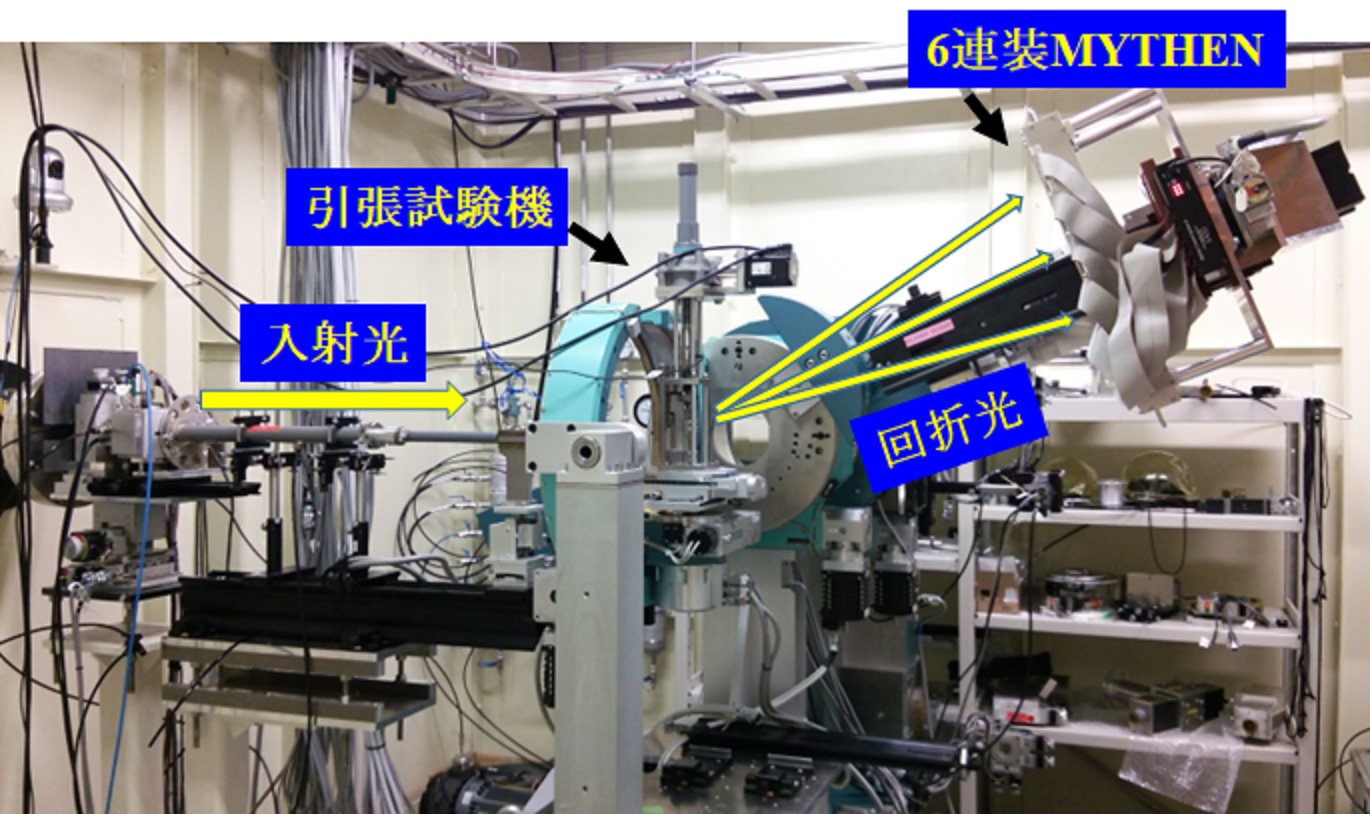
Visualizing Nanostructures in Materials Using SPring-8 Synchrotron Radiation
What students can learn
Students gain the opportunity to conduct advanced research using SPring-8, one of the world's three largest synchrotron radiation facilities. Through this work, they come to understand the relationship between a material's internal nanostructure and its properties, and develop the skills needed to design new materials accordingly.
Using SPring-8, one of the world's three largest synchrotron radiation facilities, this research investigates the nanostructure of materials in fine detail. X-ray diffraction measurements that would normally take more than an hour can be completed in under 0.1 seconds at SPring-8, making it possible to visualize nanostructural changes in situ as materials are deformed or as reactions proceed. Combined with computational science, this approach reveals the underlying "truth" of these changes during deformation and reaction, and that insight is applied through new approaches to advance the development of novel materials.
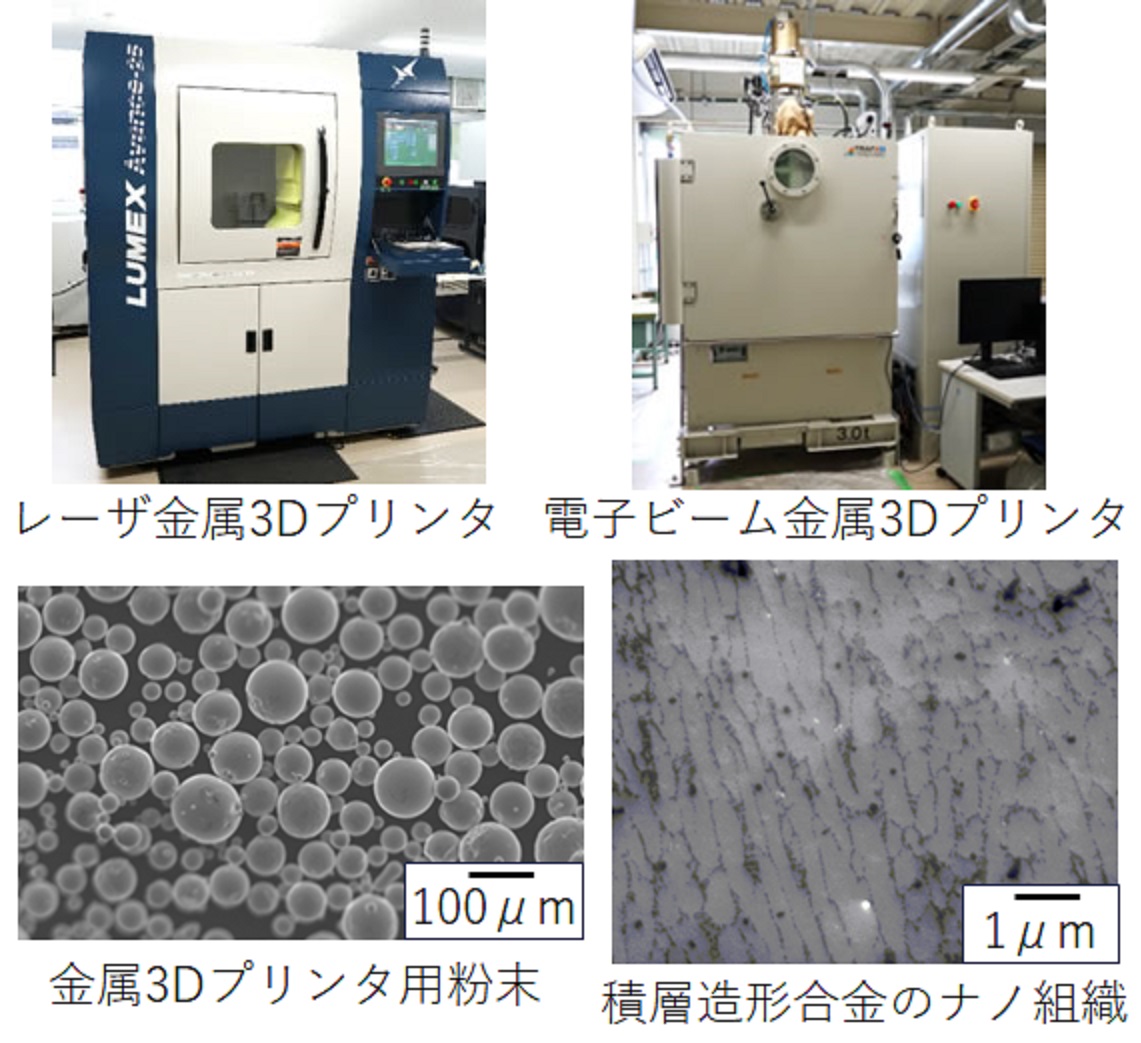
Developing New Materials Using Metal 3D Printing
What students can learn
Students learn how material microstructures form and how they can be controlled, developing the skills required to design new materials on this basis.
Metal 3D printers are far more than devices for fabricating parts of complex shape; their true appeal lies in the ability of rapid laser- or electron-beam-induced melting and heating to generate previously unknown nanostructures. History has repeatedly shown that advances in fabrication methods lead to the development of new metallic materials, and this research seeks to put that principle into practice by understanding — and ultimately controlling — how these nanostructures form.