Engineering Applications of the Casimir Effect
What students can learn
This theme builds a foundation in quantum mechanics alongside a range of numerical analysis techniques.
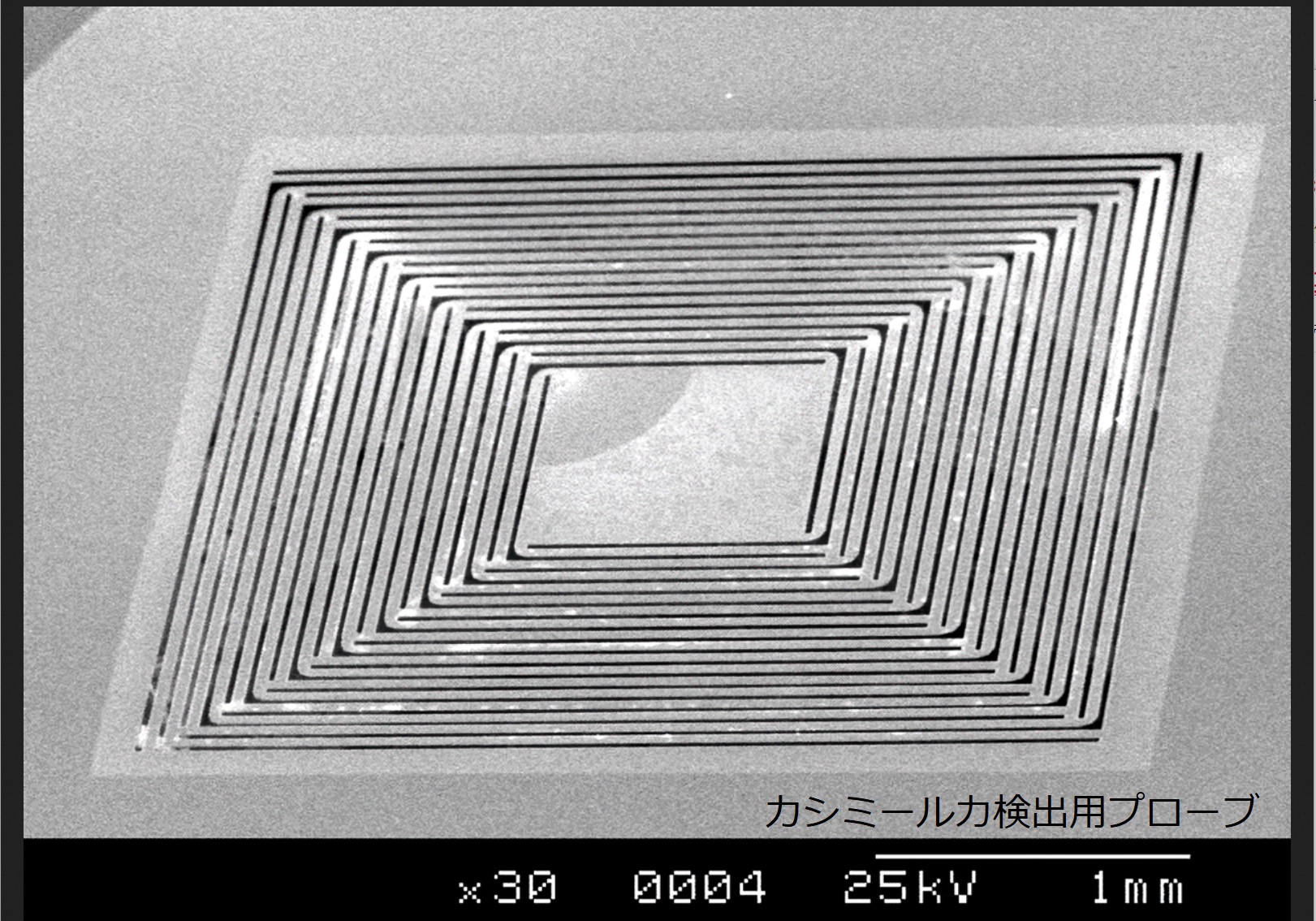
The Casimir effect is a phenomenon in which even electrically neutral objects, when brought sufficiently close together, spontaneously attract one another — an effect that classical physics cannot explain. Its origin lies in zero-point fluctuations, a quantum mechanical phenomenon present throughout space. This force is expected to enable the manipulation of microscopic objects and the modification of chemical reactions, and this research investigates its potential engineering applications.
Simulation Studies of Graphene
What students can learn
Working through simulation, students come to understand the exceptional material properties of graphene.
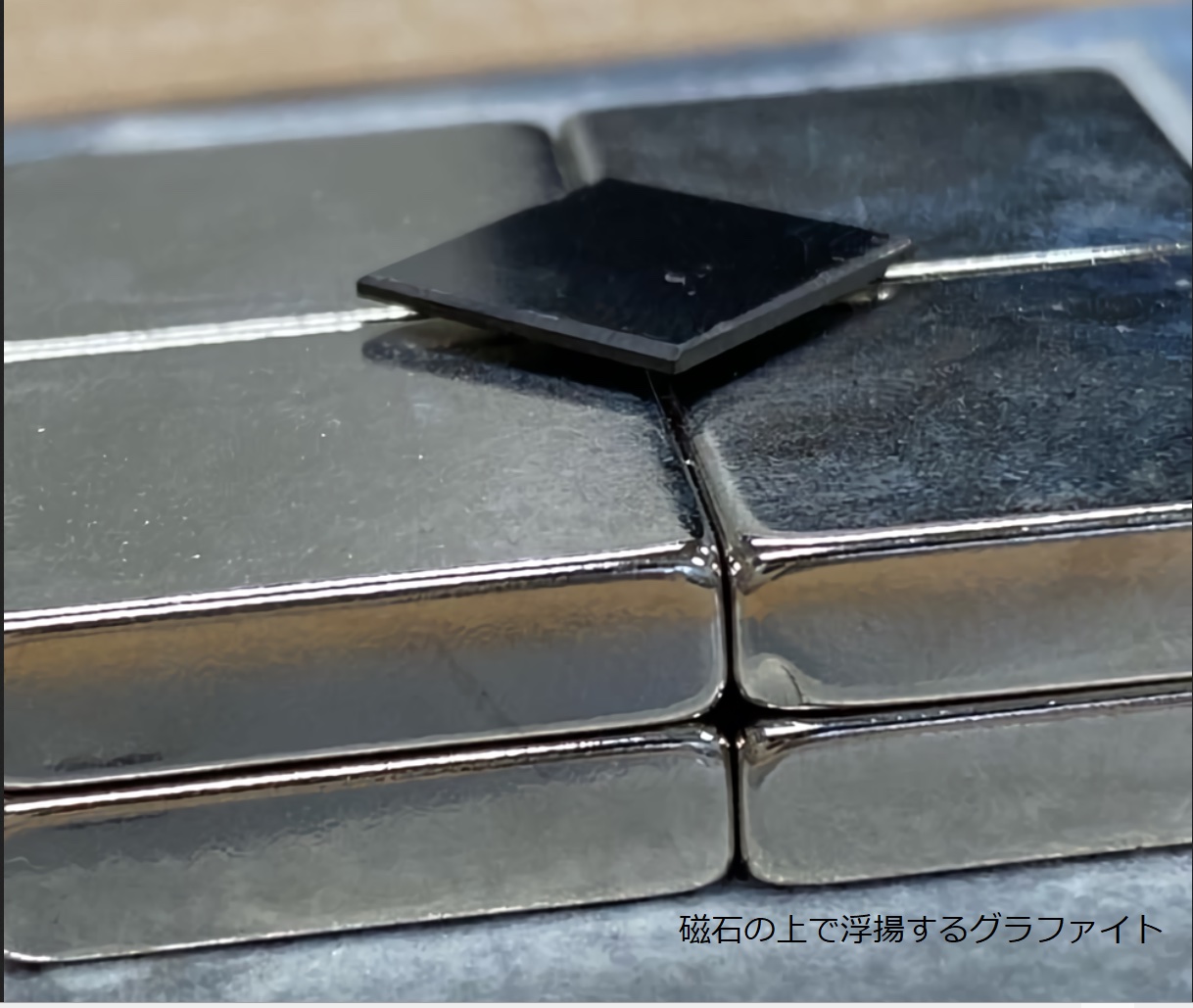
Graphene is a material formed by carbon atoms arranged in a honeycomb lattice; although only a single atom thick, it possesses exceptional mechanical and electrical properties, and this research uses simulation to explore its applications. Particular attention is given to its diamagnetism — the tendency of graphene to be repelled when a magnet is brought near it — a property that could allow graphene to be levitated in air. Because an oscillating magnetic field can also set graphene vibrating, this behavior is expected to find application in micro-electromechanical systems (MEMS).