Yuki Otani
Assistant Professor | Ph.D. in Engineering
Materials Design Course
Field of Materials Design
Believing that students who enter the School of Engineering should cultivate the qualities of accomplished engineers, Otani places particular emphasis on learning through trial and error, so that the knowledge gained in lectures is confirmed and reinforced through hands-on experiments and practical training. This same philosophy extends into the laboratory, where students are encouraged to interpret, through their own experimental work, the unfamiliar metallic microstructures and properties that emerge from 3D printing.
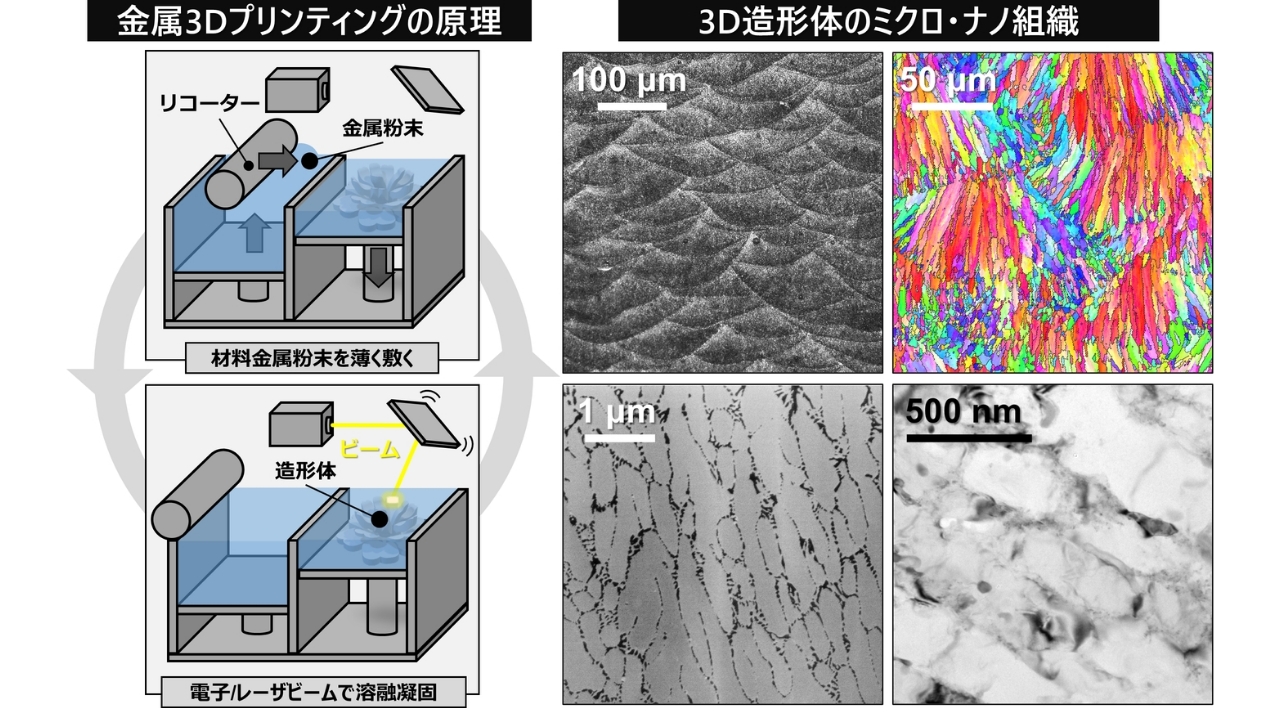
Development and Microstructure Control of New Aluminum Alloys Using 3D Printing
What students can learn
Through hands-on experience with 3D-printing fabrication, students deepen their understanding of metallic material design and microstructure control.
This research develops new aluminum alloys suited to 3D printing. Beyond enabling the fabrication of complex components, 3D printing allows control over the melting and solidification of materials, making it possible to engineer metallic microstructures at the micro- and nanoscale. By applying this microstructure-control technique to enhance the properties of printed components, the work contributes to higher performance and greater energy efficiency in mechanical systems.
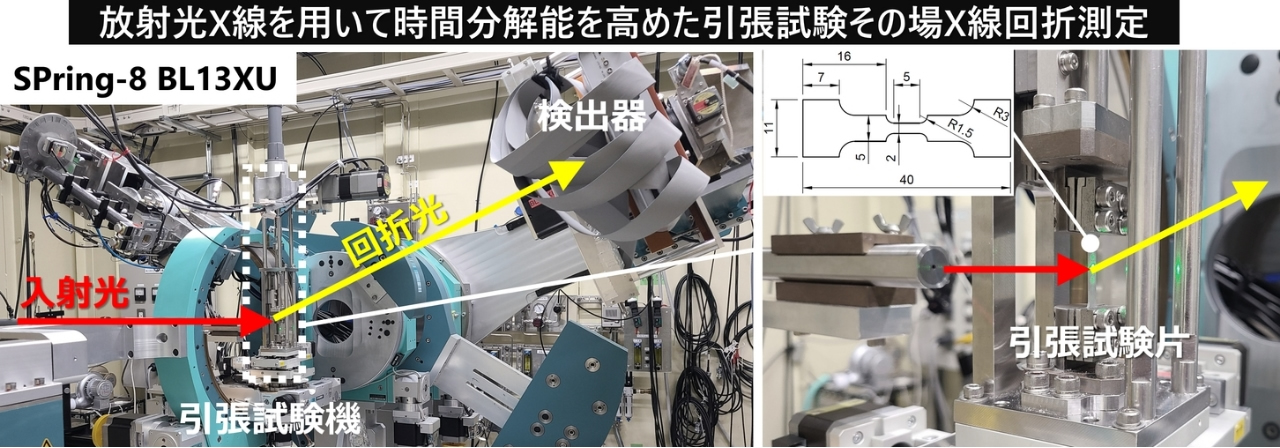
Microstructural Analysis and Property Evaluation of Aluminum Alloys Using Synchrotron X-rays
What students can learn
Students acquire skills, fundamental to engineers who work with metallic materials, in evaluating microstructure and mechanical properties.
Understanding the relationships among manufacturing process, microstructure, and properties is essential to the development of metallic materials. Focusing on aluminum alloys, this research combines microscopic observation, mechanical testing, and X-ray measurements at SPring-8 to quantitatively evaluate how microstructure governs material properties. The resulting insights are applied to optimize manufacturing processes, contributing to further advances in the performance of metallic materials.