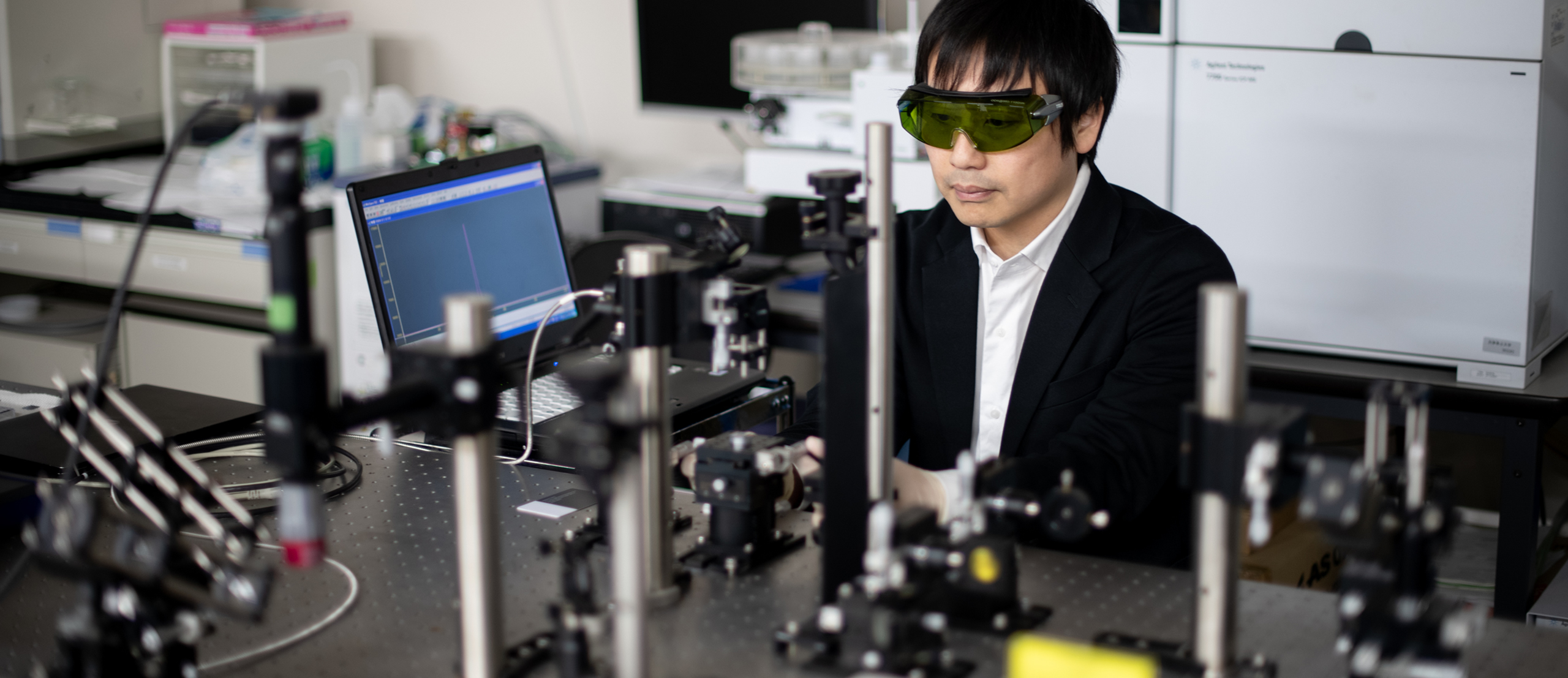
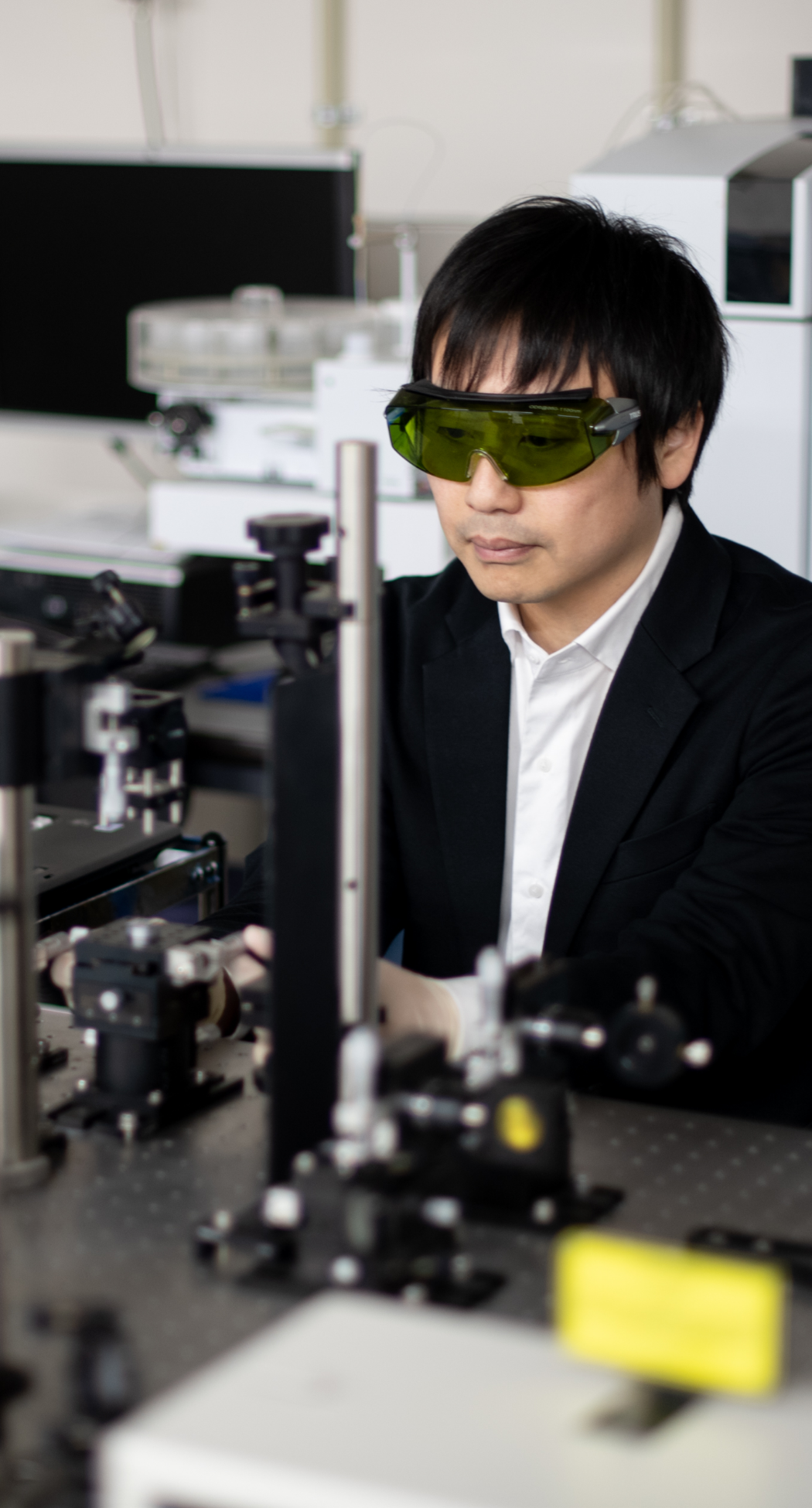
When metal-nanoparticle-deposited silicon is immersed in a hydrofluoric acid solution containing hydrogen peroxide, the silicon surface directly beneath the metal particles is preferentially etched, resulting in the formation of porous silicon with a unique nanostructure. We are developing a novel analytical technique by utilizing this porous silicon as a substrate for laser-based analysis.
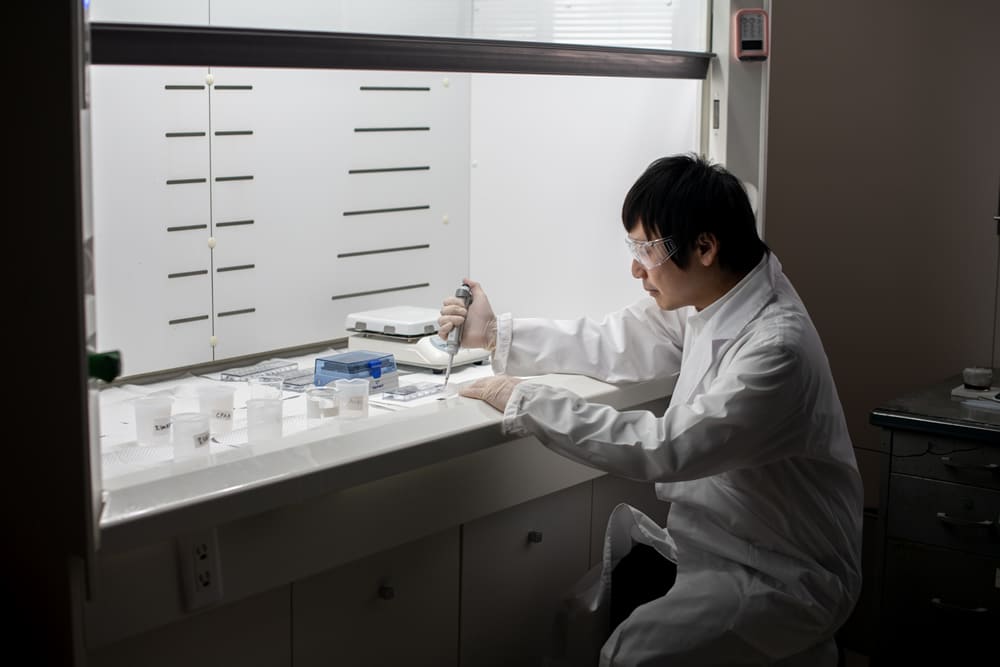
We have successfully analyzed trace elements in microvolume liquid samples using a porous silicon substrate fabricated by metal-assisted etching for laser-induced breakdown spectroscopy (LIBS) of dried droplets.
Laser-induced breakdown spectroscopy (LIBS) is a technique that analyzes the elemental composition of samples by measuring the emission from plasma generated by laser ablation. Because of its capability for rapid and remote analysis, LIBS is expected to be applied in extreme environments and industrial processes. However, most existing LIBS systems are designed for solid samples. To broaden the applicability of LIBS, it is necessary to develop techniques for analyzing liquid samples.
We focused on the dried droplet method, in which a liquid droplet placed on a solid substrate is dried and then analyzed by irradiating the dried residue with a laser. We found that the use of a porous silicon substrate, fabricated through electroless processes including displacement deposition of noble metal nanoparticles and metal-assisted etching, greatly enhances the LIBS signal compared to a conventional flat substrate. We also found that signal instability caused by position-to-position fluctuation was significantly reduced by using porous silicon. This improvement is attributed to enhanced plasma generation efficiency and the uniform distribution of the dried residue on the porous structure.
In this technique, we can rapidly measure the concentrations of dissolved elements in liquids through simple pretreatment, using only a microvolume sample and a compact laser system. We are aiming to apply this technique to surface treatment processes involving highly toxic solutions. By periodically monitoring the elements in these solutions, we can determine the optimal timing for solution replacement and detect anomalies, thereby improving production efficiency.

| Research | |
|---|---|
| Journal | Journal of Analytical Atomic Spectrometry 39, 2532 (2024); doi: 10.1039/D4JA00177J |
| Title | Quantitative analysis of niobium in electropolishing solution by laser-induced breakdown spectroscopy using porous silicon. |
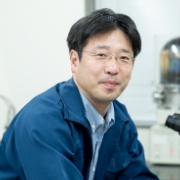
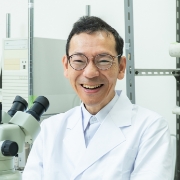
| Author | A. Matsumoto, Y. Toyama, Y. Shimazu, K. Nii, Y. Ida, and S. Yae |
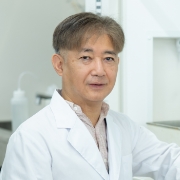
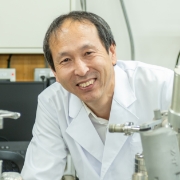
| Member | A. Matsumoto (Department of Chemical Engineering and Materials Science, Graduate School of Engineering), S. Yae (Department of Chemical Engineering and Materials Science, Graduate School of Engineering) |
| URL | https://doi.org/10.1039/D4JA00177J |
| Patent Information | |
| Patent Number | JP-A-2020-193855 |
| Application Number | JP-A-2019-099115 |
| Application Date | 2019/5/28 |
| Publication Date | 2020/12/3 |
| Title of the Invention | Substrate for measurement and its fabrication method, and emission spectroscopy system and method |
| Applicant | University of Hyogo |
| Inventor | A. Matsumoto and S. Yae |
Learn about the cutting-edge research achievements, advanced technical resources, and know-how that the Graduate School of Engineering at the University of Hyogo can provide. We welcome partners who can create the future together with us by jointly generating new ideas and technologies through collaborative research, commissioned research, and technical consultations.
More