Eiko Furutani
Professor | Ph.D. in Engineering
Electrical and Electronic Engineering Course
Applied Power Engineering Research Group
By connecting lecture material to familiar technologies and real-world applications, Professor Furutani helps students build a practical, intuitive understanding of engineering concepts. His research applies control and systems engineering to medicine, seeking to develop systems that support both patients and physicians, including blood-pressure and anesthesia-depth control systems that have been applied in clinical settings.
Development of Systems That Control Patient Conditions
What students can learn
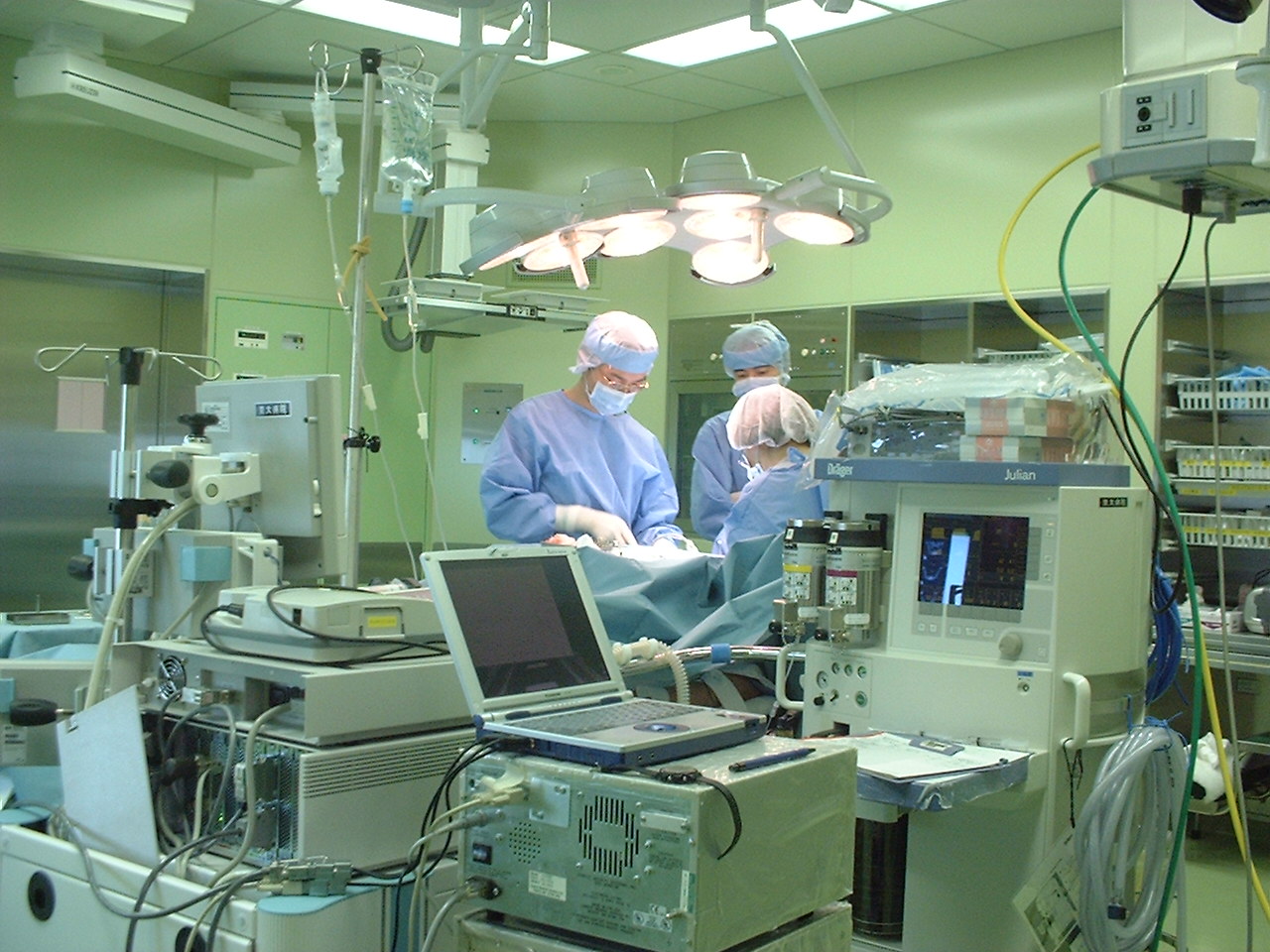
Through the development of patient-oriented control systems, students gain hands-on experience handling real-world data that varies from person to person and contains inherent errors, while building a working knowledge of control engineering and optimization techniques, including AI-based approaches.
This research explores systems that automatically regulate patient conditions such as anesthesia depth and blood glucose level. By combining mathematical models of patient dynamics with real-time monitoring data, control and optimization methods are applied to adjust drug dosage accordingly. The aim is to help maintain appropriate physiological conditions, ease the burden on patients during treatment or surgery, and support medical staff through automation.
Mathematical Modeling of Complex Systems
What students can learn
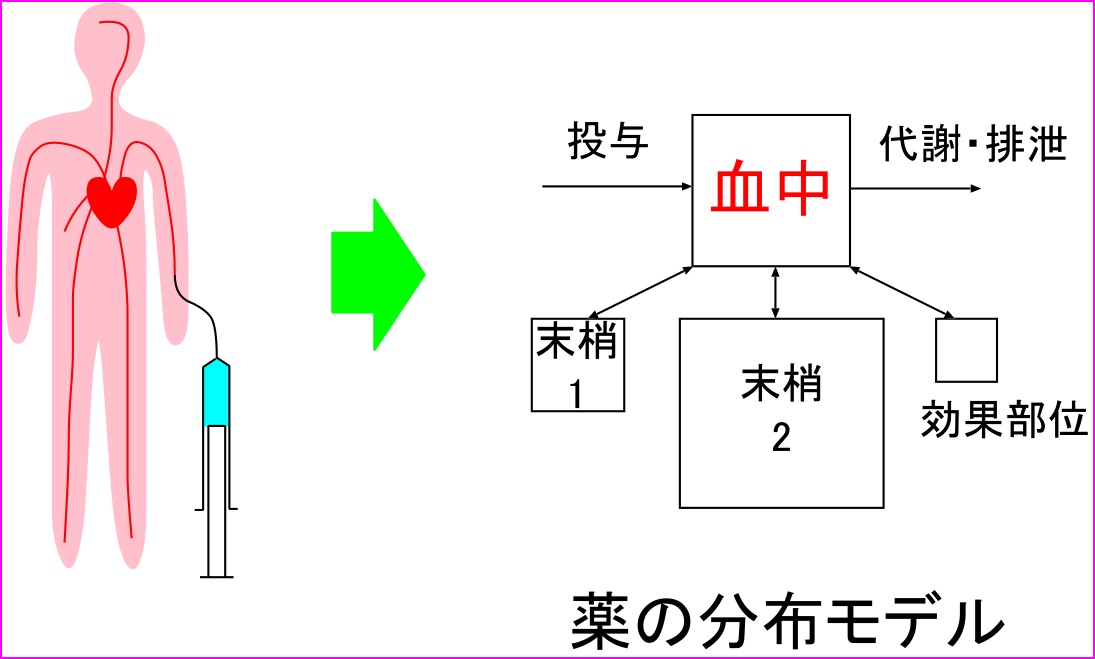
By building mathematical models of complex systems, students develop the ability to describe systems that change over time, distill their essential characteristics, and apply optimization methods to analyze them.
This research investigates computational models for complex systems, including biological functions and renewable-energy systems. Systems-engineering methods are used to derive equations that more accurately represent temporal data from systems that are otherwise difficult to analyze directly, enabling simulation, prediction, and control. These models also underpin the laboratory's work on patient-condition control systems.