Junichi Inamoto
Associate Professor | Ph.D. in Engineering
Applied Chemistry Course
Field of Applied Chemistry
In the classroom, rather than simply following the textbook, he strives to convey how the material connects to real-world applications and to other subjects, so that students can find their own motivation to learn. His research is guided by the long-term goal of developing next-generation secondary batteries, and toward that end he carries out precise analyses of the electrode reactions that are essential to understanding how such batteries work.
Analysis of Electrochemical Reactions through Experimental and Theoretical Methods
What students can learn
Students gain hands-on experience with both experimental techniques and theoretical computational methods used to analyze the electrochemical reactions that occur inside secondary batteries.
Understanding the electrochemical reactions taking place inside a secondary battery provides an essential guide for battery design. This research devises measurement systems that make it easier to isolate and observe the specific reactions of interest within a battery, then applies a range of experimental analytical techniques to clarify these reactions in detail. Combining this work with theoretical calculations allows the reactions to be examined from multiple complementary perspectives.
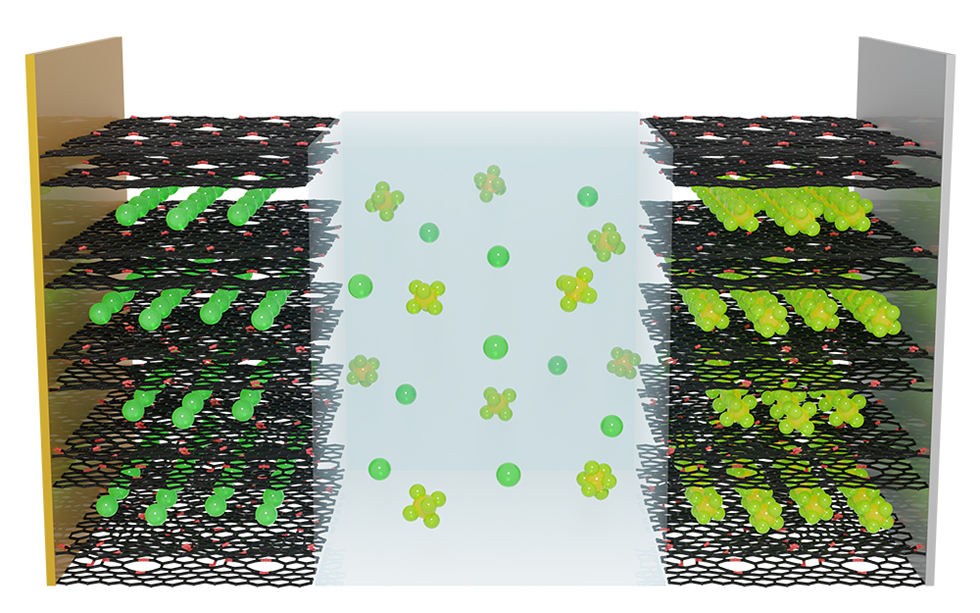
Development of Next-Generation Secondary Batteries
What students can learn
Students explore the methods and ways of thinking involved in developing the foundational technologies needed to realize the secondary batteries of the future.
The secondary batteries of the future will need to offer not only excellent performance, such as high energy density and rapid charge-discharge capability, but also high safety, independence from scarce resources, and a reduced environmental burden. Achieving these goals simultaneously requires designing an entirely new type of secondary battery from the ground up, carefully selecting and combining battery materials such as electrodes and electrolytes to achieve ideal performance. With a view toward the practical realization of such future batteries, this research investigates the mechanisms of novel electrochemical reactions at a fundamental level, aiming to improve their characteristics.