Kazuhiro Itoh
Professor | Ph.D. in Engineering
Applied Chemistry Course
Field of Applied Chemistry
The properties of fluids—both liquids and gases—underpin the production of a wide range of industrial goods, and it is this subject that Kazuhiro Itoh brings to the classroom. Aware that fluid mechanics has a reputation for being difficult, he follows the textbook closely while explaining each concept carefully and introducing as many real-world applications as possible. His research combines laboratory experiments with computer simulation to address a variety of problems involving fluid behavior.
Rapid Measurement Techniques for Emulsions
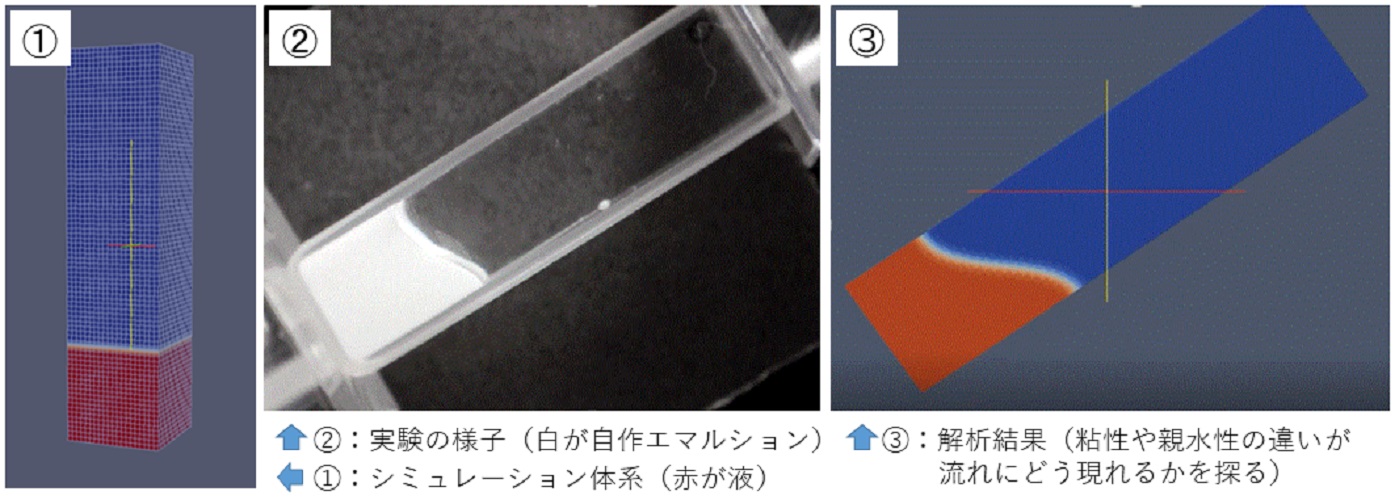
What students can learn
Students gain broad, practically oriented knowledge and experience—from prototyping emulsions to fluid analysis and machine learning—that is directly useful in product development settings.
This research develops a system for measuring the viscosity and surface tension of emulsions quickly and easily. A simple action—placing a sample in a small container and tilting it—is filmed, and the resulting video is used to train an AI model that predicts the material's physical properties. Emulsions such as hand cream and mayonnaise are widely used in cosmetics and food products, yet measuring their viscosity and surface tension conventionally requires specialized equipment and considerable time and effort. By shortening product development time, this system aims to help bring about a society enriched with gentle, user-friendly daily necessities and foods.
Production of Useful Substances Using Microalgae
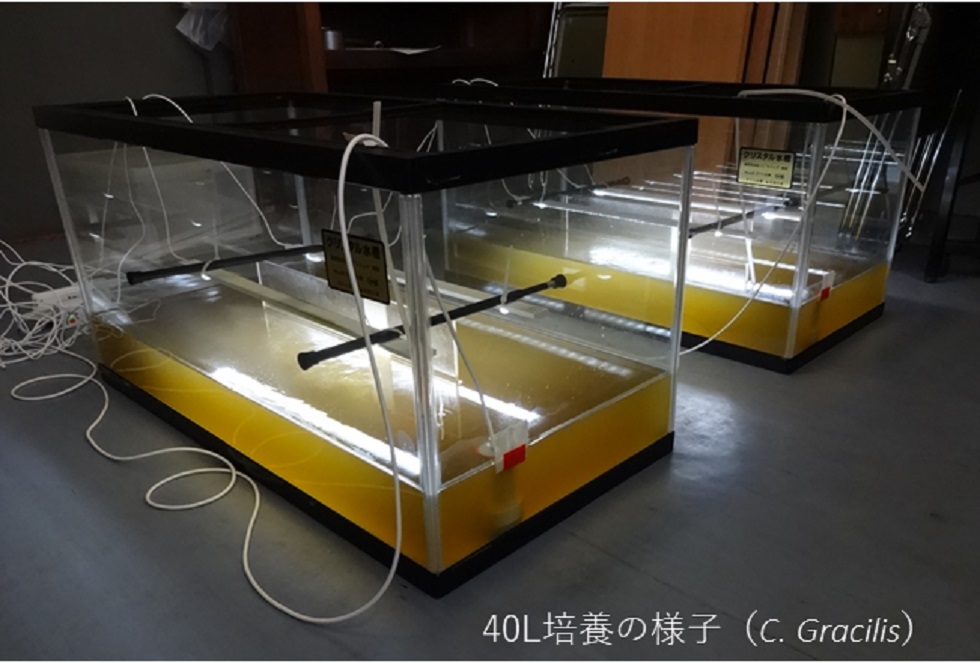
What students can learn
Students can learn about cell culture techniques that underpin the rapidly expanding field of microbial production, which supports the development of biopharmaceuticals, biodegradable plastics, and synthetic fibers.
This research investigates methods for culturing microalgae on an industrial scale to produce biofuels, health foods, and related products. It examines stirring methods that activate photosynthesis in algae suspended in liquid, as well as culture media that support efficient growth. Industrial production using microorganisms is a key technology for building a low-carbon, circular society; it supports applications in pharmaceuticals, biofuels, plastic materials, and food, and its range of uses continues to expand, including the use of algae as feed in aquaculture.