From electricity and radio waves to advanced ICT and the smart devices we use every day, electrical and electronic engineering supports many of the technologies that make modern life possible.
Energy, electronics, and information technologies form the foundation of today’s highly connected society, and related fields of science and technology continue to evolve rapidly. To respond to these developments, engineers and researchers need broad fundamental knowledge, advanced expertise, the ability to apply their knowledge across interdisciplinary fields, and the creativity to pursue pioneering research. This course aims to develop engineers with a broad perspective who can meet the needs of a rapidly changing society.
Key Learning Points
- POINT01
- From Energy Systems to Advanced ICT
- Students acquire specialized knowledge in technologies for generating, storing, and transmitting electrical energy, control technologies for using electrical energy efficiently; electrical and electronic materials and device technologies that support advanced systems; and communication technologies that enable sophisticated applications of these systems. The course cultivates the abilities needed to become specialists in electricity and electronics.
- POINT02
- Build Broad Knowledge and Practical Skills in Electrical and Electronic Engineering
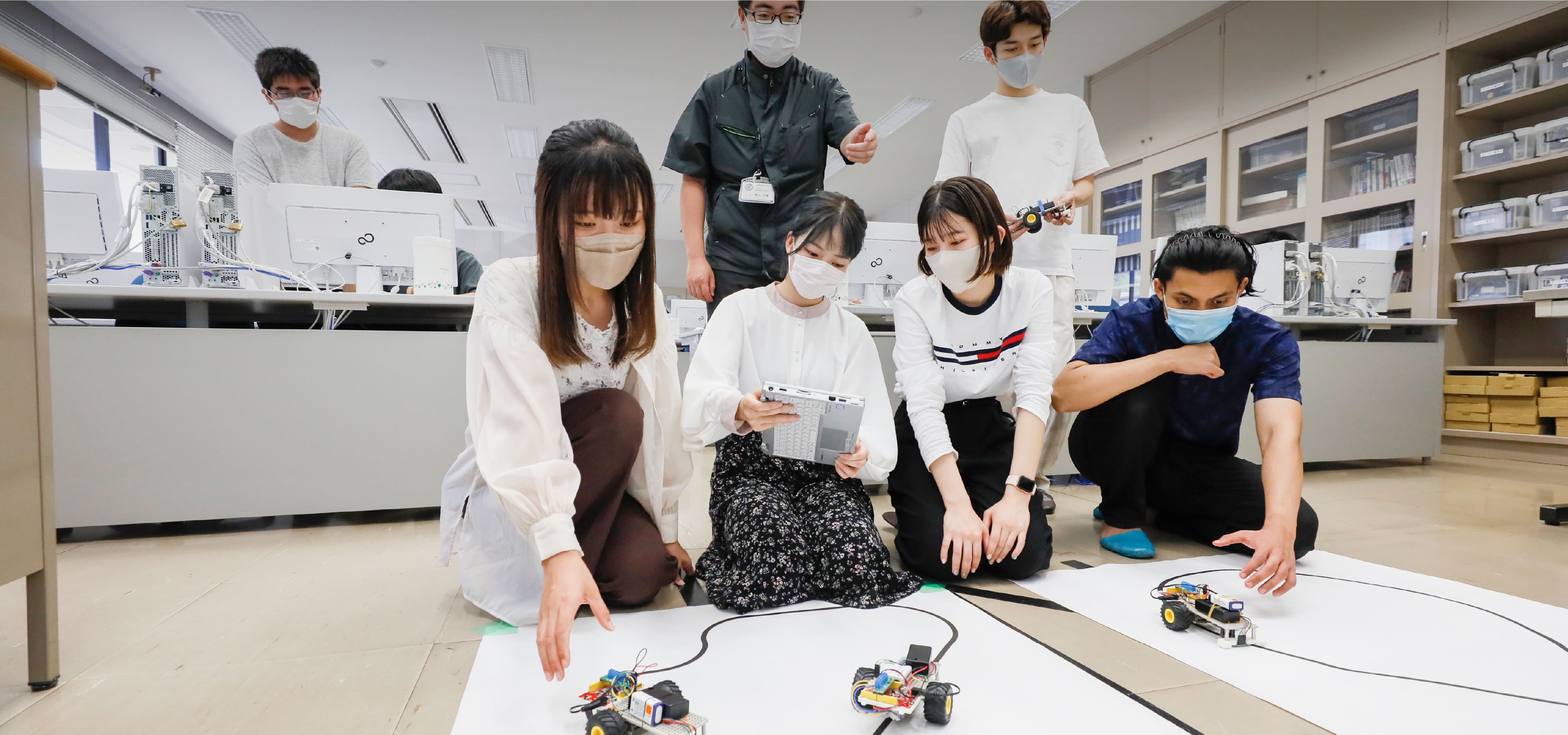
- Building on the mathematics and physics required for electrical and electronic engineering, students develop specialized knowledge of power systems, control systems, electrical and electronic materials, electronic devices and circuits, and information and communication systems. Through graduation research and graduate-level study in cutting-edge fields, the course develops engineers with the practical skills required by society.
- POINT03
- Developing Engineers Who Can Contribute Across Diverse Fields
- Electricity has long supported society and will continue to play an essential role in the future. People with expertise in electrical and electronic engineering are needed not only in fields directly related to electricity and electronics, but also in manufacturing, medicine, chemistry, food, education, public administration, finance, distribution, transportation, and many other sectors. This course develops engineers who can contribute across a wide range of fields.
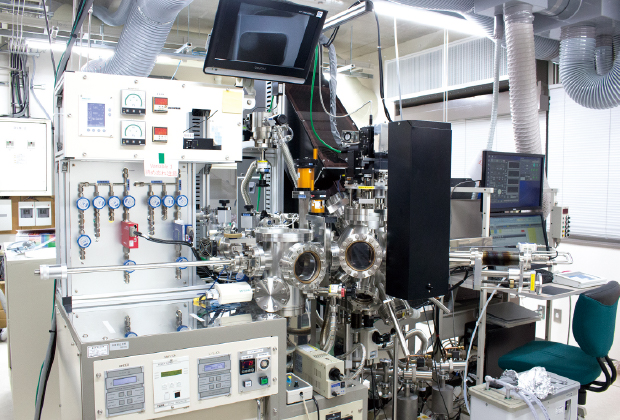
We pursue technologies for generating, transmitting, and using electricity efficiently while taking the environment into account. Our field covers a broad range of areas, from energy technologies such as plasma engineering, nuclear fusion, power electronics, and smart grids to medical devices, control systems, electrical and electronic materials, device systems, and ICT. Through studies ranging from fundamentals to applications, students gain a deep understanding of electrical and electronic engineering that supports the future.
Recommended for Students Who:
- Want to contribute to society through electrical technologies
- Are fascinated by electricity and electronics
- Are interested in electric vehicles, autonomous driving, and future mobility
- Are curious about semiconductors and advanced electronic devices
Career Fields After Graduation
- Manufacturing
- Energy Industry
- Construction
- Semiconductors
- Electrical and Electronic Equipment
- Information and Communication Industry
Faculty Members
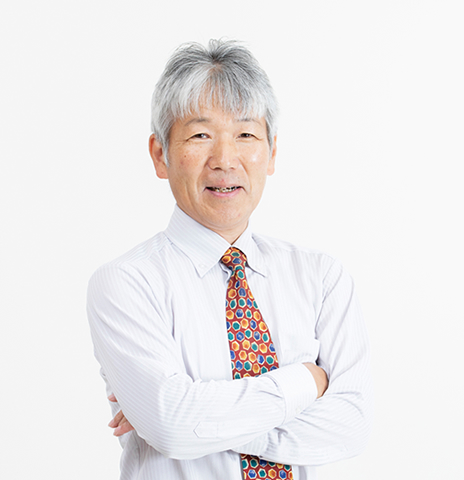
-
Tadashi Kawai
Professor
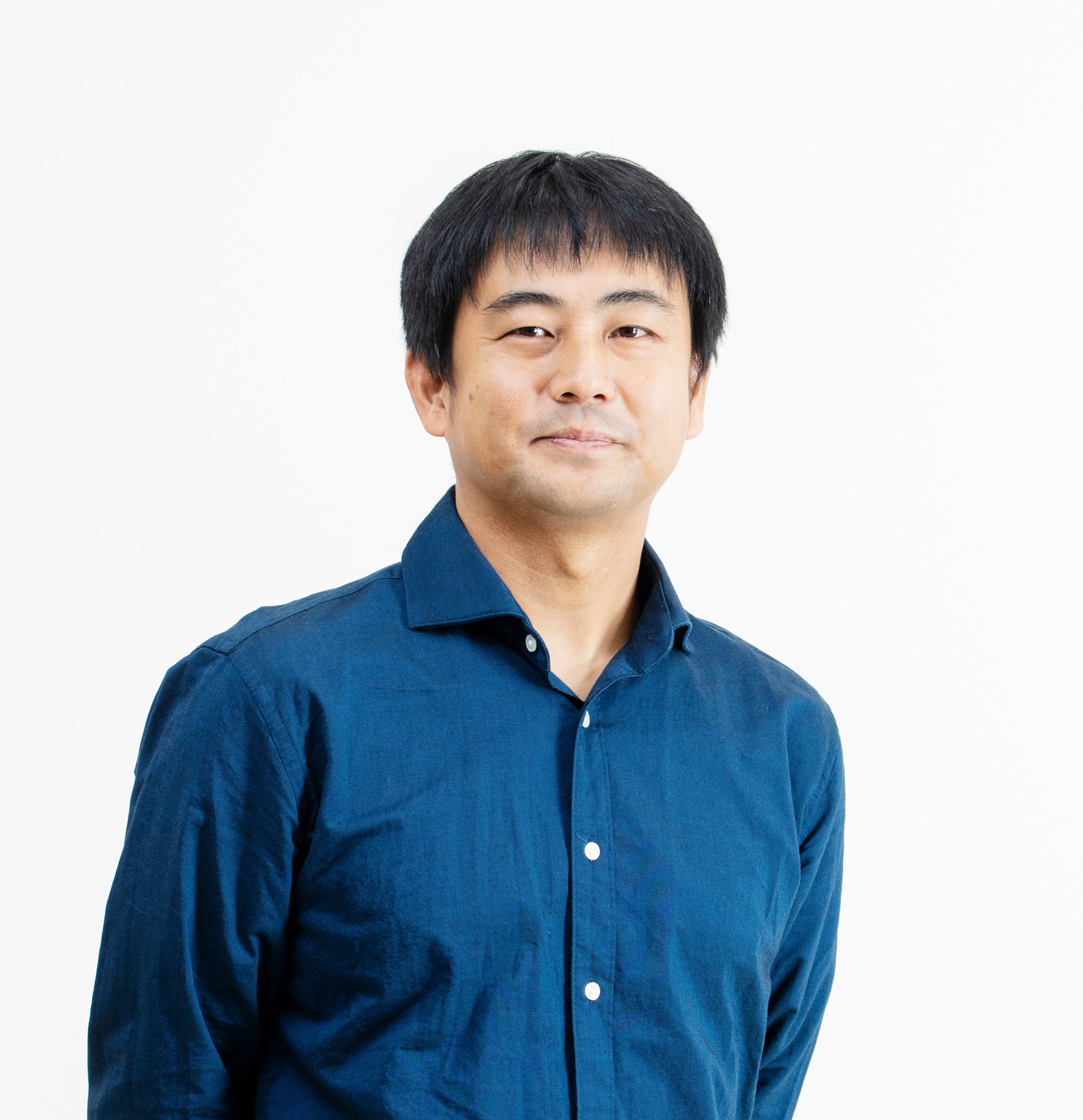
-
Kensuke Kanda
Professor
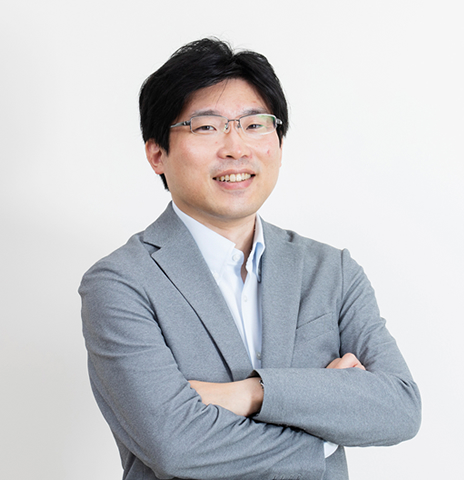
-
Yusuke Kikuchi
Professor
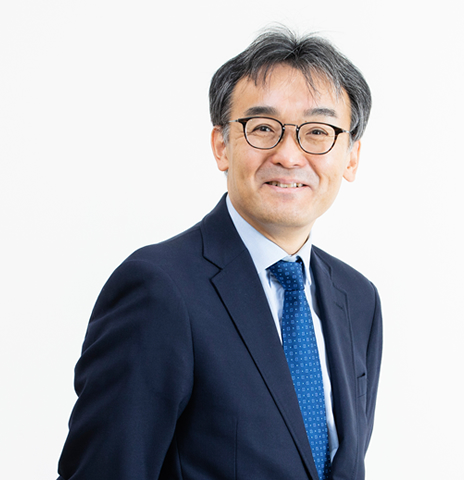
-
Noriaki Toyoda
Professor
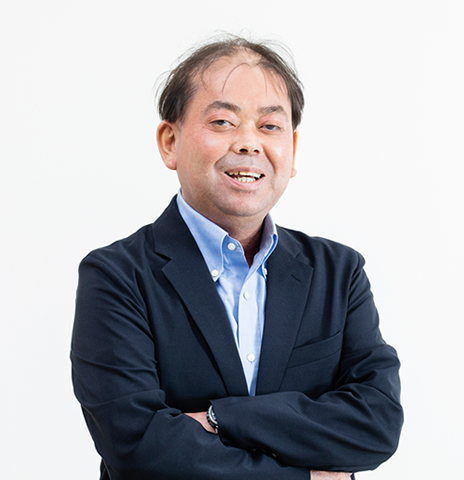
-
Seiji Nakashima
Professor
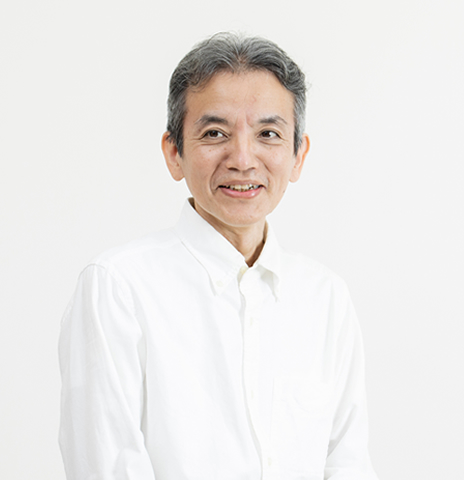
-
Hironori Fujisawa
Professor
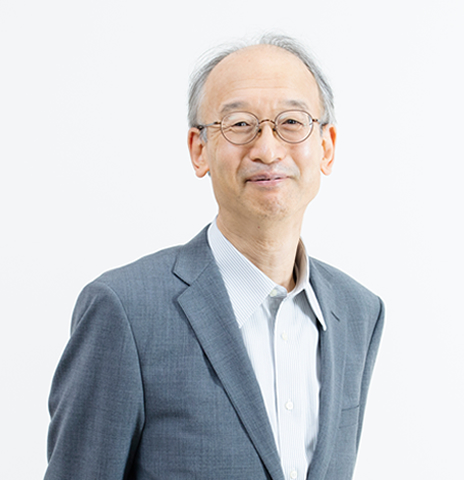
-
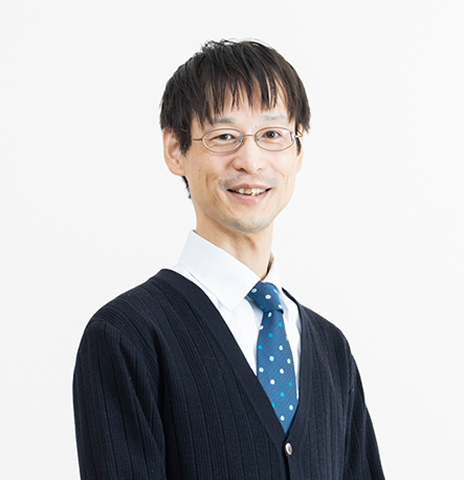
Eiko Furutani
Professor
-
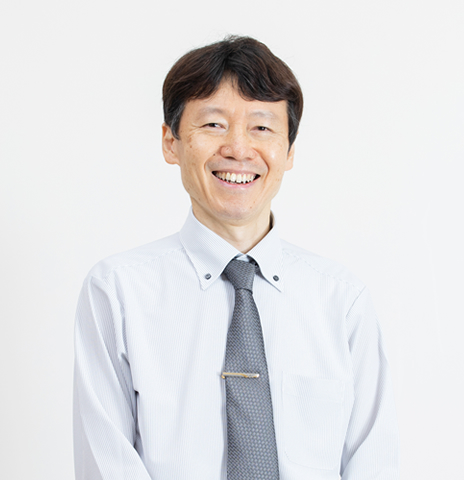
Yasushi Hotta
Professor
-
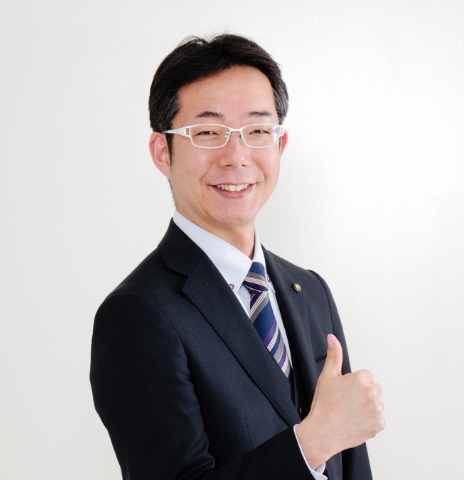
Shinichi Honda
Professor
-
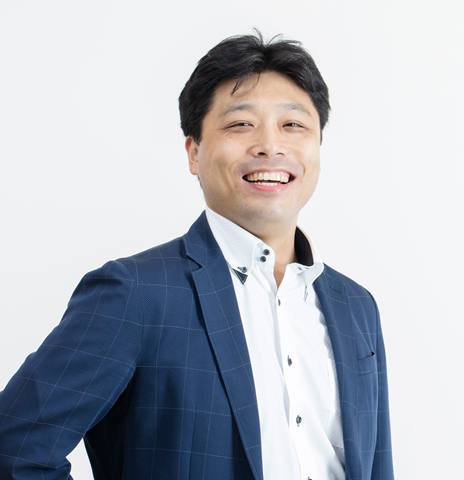
Yuki Minami
Professor
-
Yoshihiro Oka
Associate Professor

-
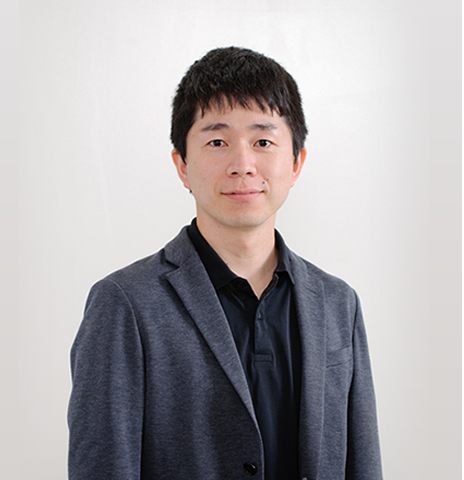
Mayuko Koga
Associate Professor
-
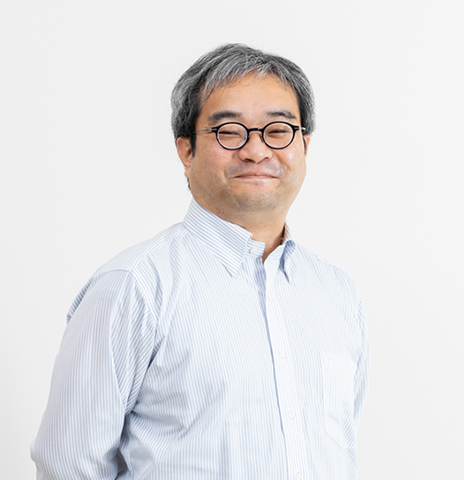
Kenji Setoura
Associate Professor
-
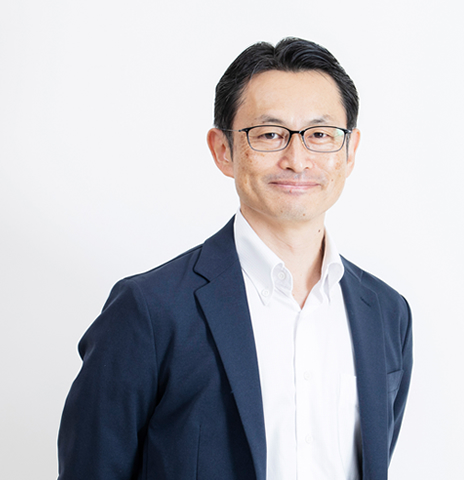
Kazuya Tada
Associate Professor
-
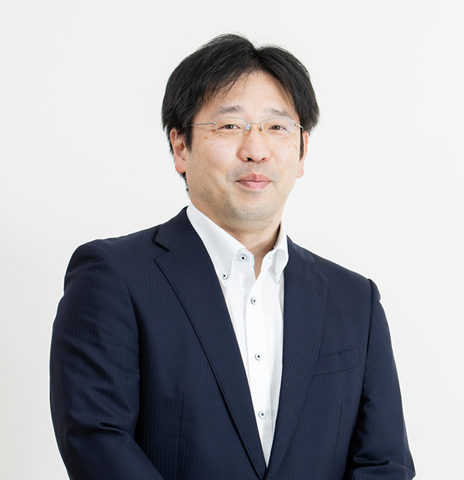
Naoyuki Fukumoto
Associate Professor
-
Shunjiro Fujii
Associate Professor
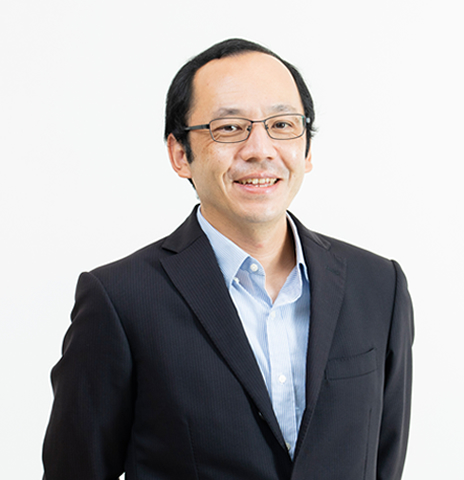
-
Shinichiro Yamamoto
Associate Professor
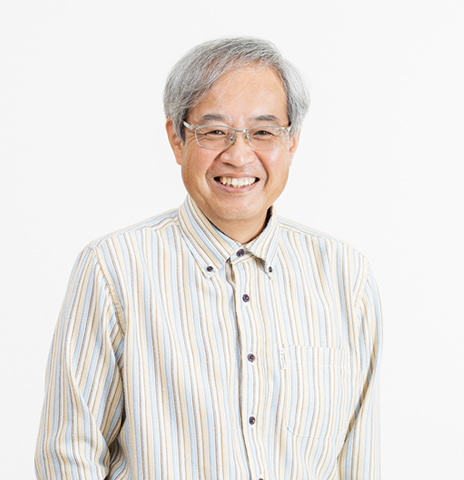
-
Haruhiko Yoshida
Associate Professor

-
Ai Osaka
Assistant Professor
-
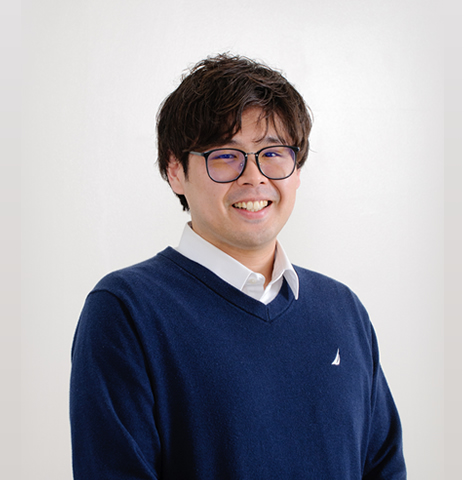
Tatsuki Osato
Assistant Professor
-
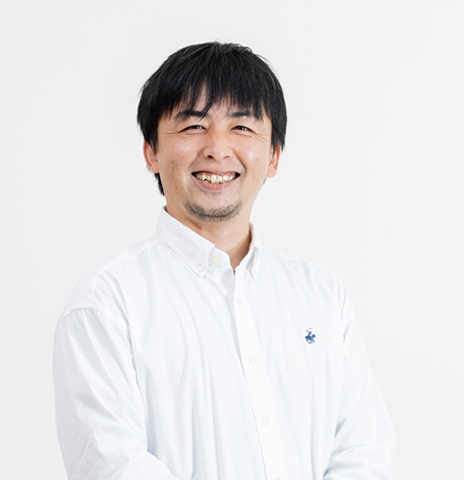
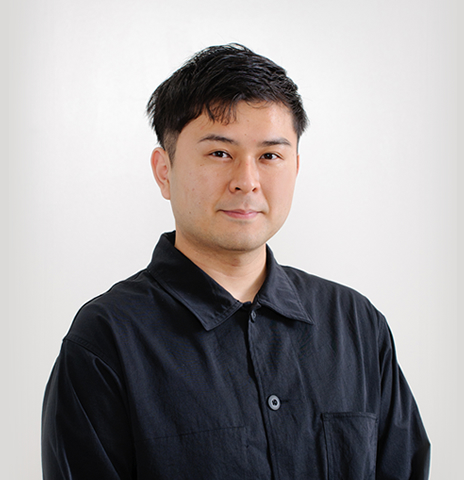
Sho Okada
Assistant Professor
-
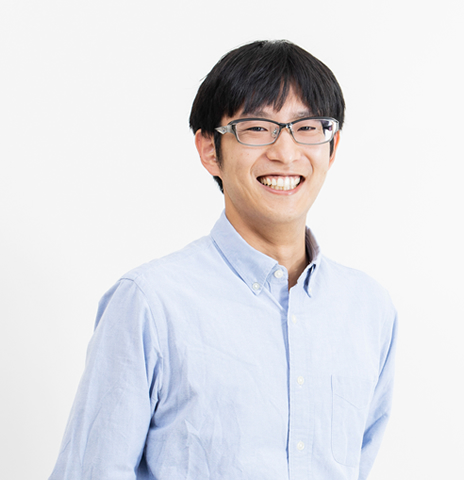
Kaito Fujitani
Assistant Professor
-
Hikaru Hoshino
Assistant Professor

-
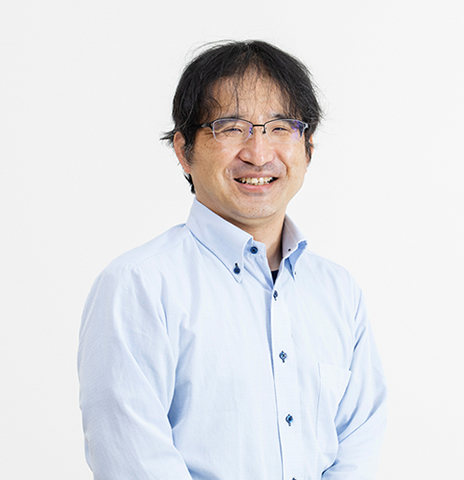
Ryusuke Mitobe
Assistant Professor
-
Hidenobu Mori
Assistant Professor