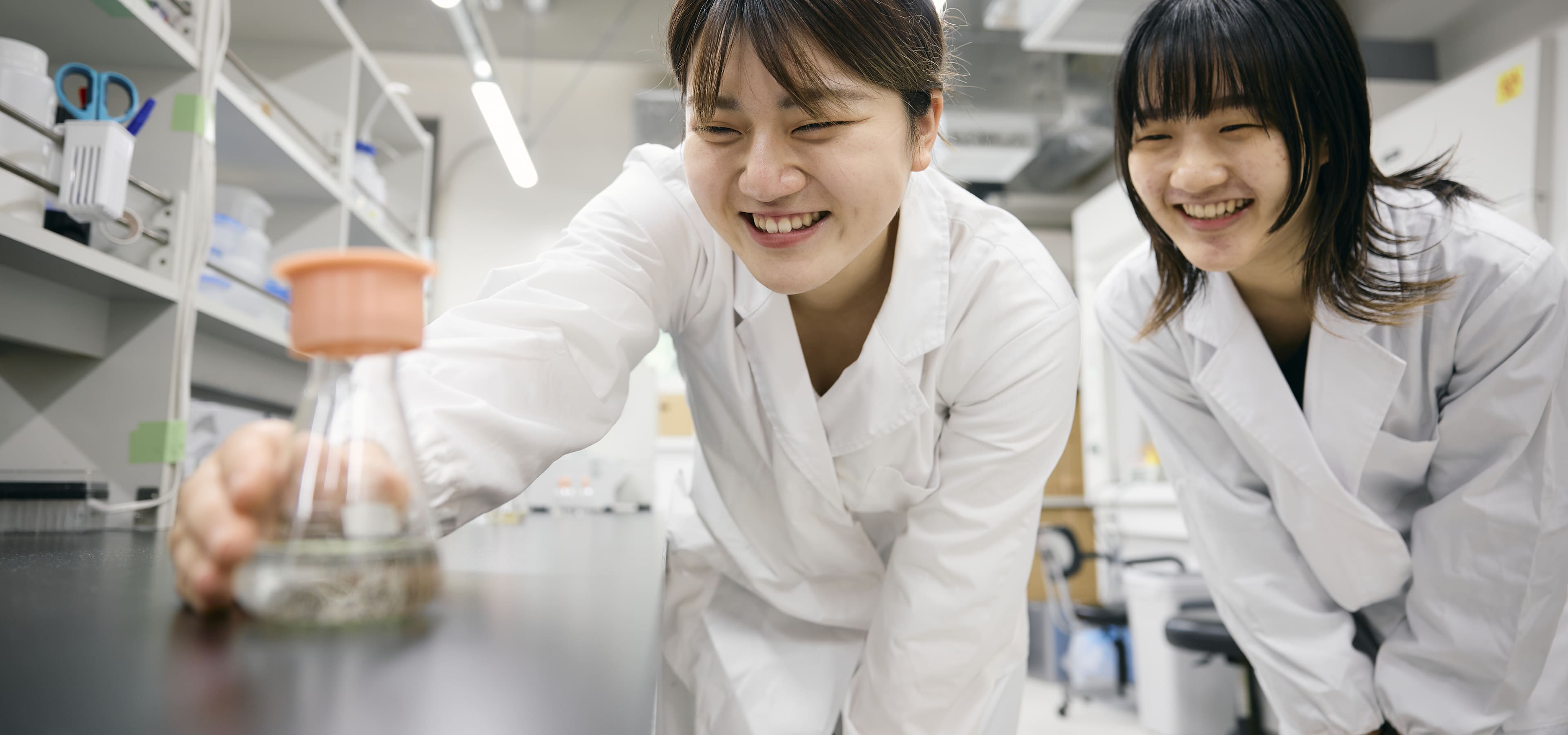
From molecular design to industrial processes.
Applied chemistry turns scientific ideas into technologies that improve society.
Chemistry is essential for building a sustainable, healthy, and prosperous future. In the Applied Chemistry Course, students study the principles of inorganic, organic, and physical chemistry while exploring molecular design, synthesis, functional materials, life science, reaction engineering, and chemical processes. Through lectures, laboratory work, and research, students develop the expertise to connect fundamental science with real-world innovation in energy, medicine, information technology, the environment, and advanced manufacturing.
Key Learning Points
- POINT01
- Master the Foundations of Chemistry and Molecular Science
- Students systematically study inorganic chemistry, organic chemistry, physical chemistry, analytical chemistry, and chemical engineering. By understanding matter from atoms and molecules to materials and processes, students build the logical thinking and scientific foundation needed to become chemistry professionals.
- POINT02
- Develop Practical Laboratory Skills and Problem-Solving Abilities
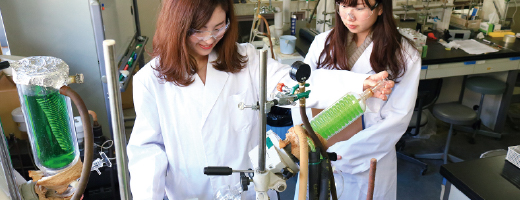
- Through extensive laboratory courses, students gain hands-on experience with chemical instruments, analytical methods, precise synthesis, measurement, and data interpretation. They learn how to observe carefully, analyze results logically, and improve experiments through evidence-based thinking.
- POINT03
- Turn Chemical Discoveries into Value for Society
- In graduation research, students take on open-ended challenges at the frontiers of applied chemistry. By forming hypotheses, conducting experiments, discussing results, and presenting their findings, students develop the ability to communicate scientific ideas and transform knowledge into meaningful outcomes.
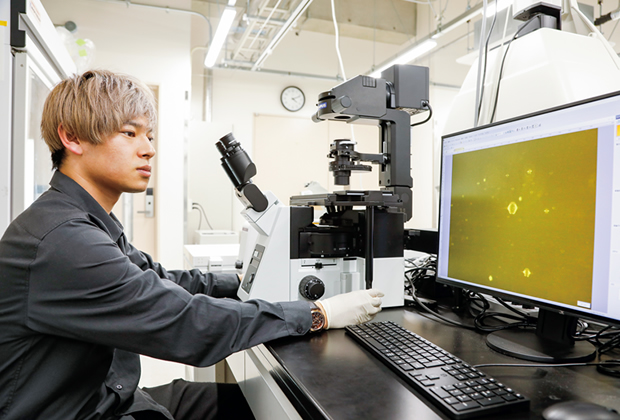
This course connects molecular science, synthesis, life chemistry, materials chemistry, reaction engineering, and chemical process design. Students learn to solve problems from both microscopic and macroscopic perspectives, creating technologies for energy, healthcare, pharmaceuticals, cosmetics, food, information devices, space, the environment, and sustainable industry.
Students interested in molecules, materials, reactions, life science, energy conversion, environmental technology, chemical plants, or creating new value through chemistry will find a broad and powerful field of study here.
This Course Is for Students Who Want to:
- Use chemistry to address environmental and energy challenges
- Create new materials, medicines, cosmetics, foods, or functional chemicals
- Explore atoms, molecules, reactions, and the mechanisms behind matter
- Develop practical skills in synthesis, analysis, and chemical experiments
- Design efficient chemical processes and technologies for industry
Career Fields After Graduation
- Food, Pharmaceutical and Cosmetics Industries
- Energy Industry
- Semiconductor Industry
- Chemical Plant Engineering
- Fine Chemicals and Functional Materials
- Environmental Measurement and Analysis
Faculty Members
-
Kazuhiro Itoh
Professor
-
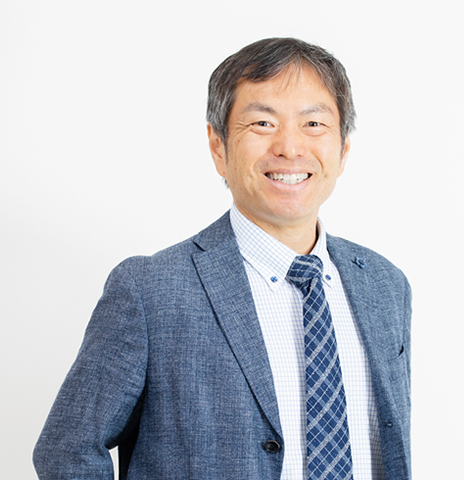
Seigo Ito
Professor
-
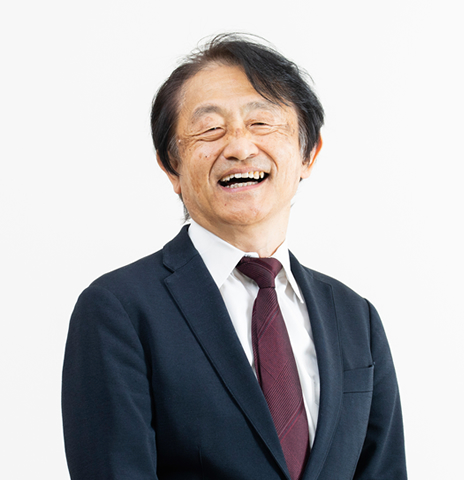
Tomokazu Umeyama
Professor
-
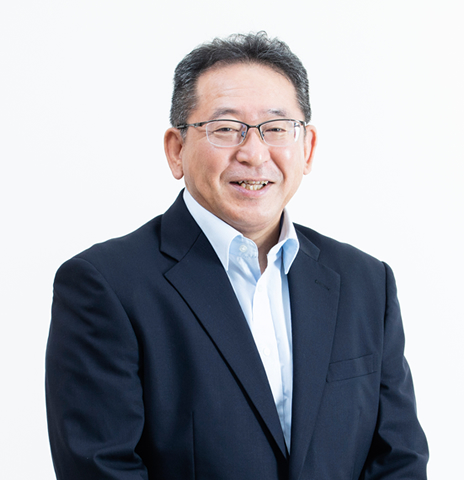
Hajime Kishi
Professor
-
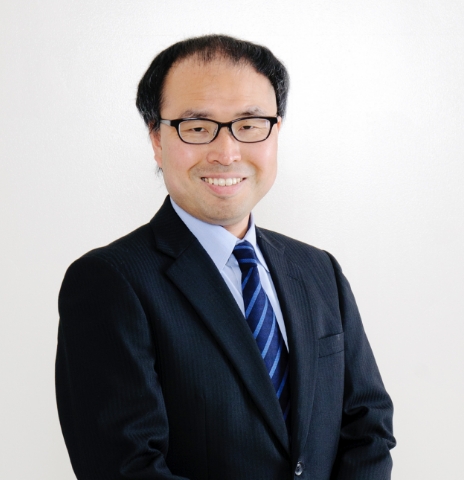
Masahiro Takeo
Professor
-
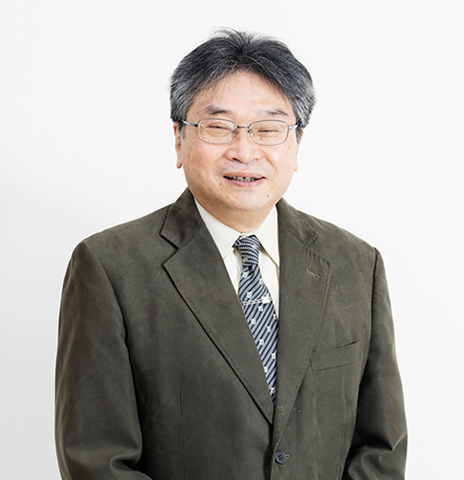
Taniyuki Furuyama
Professor
-
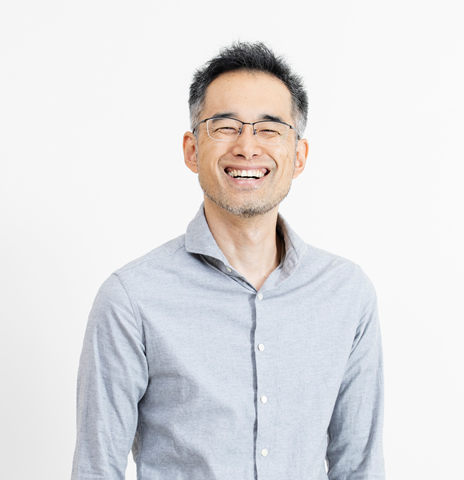
Kouji Maeda
Professor
-
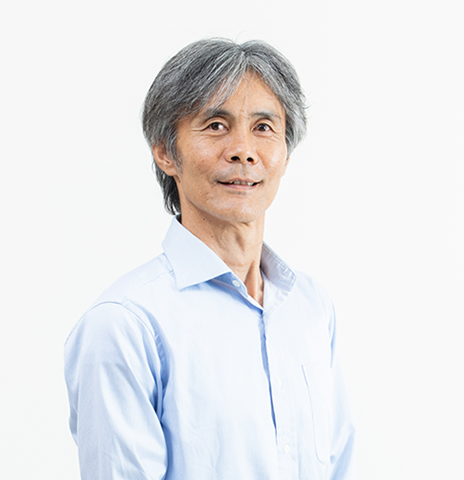
Koudai Machida
Professor
-
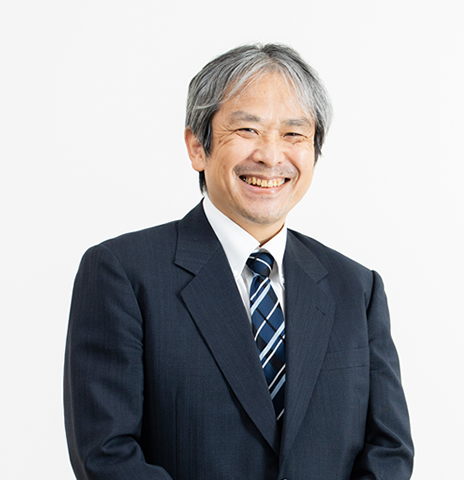
Yoshiaki Matsuo
Professor
-
Atsushi Mineshige
Professor
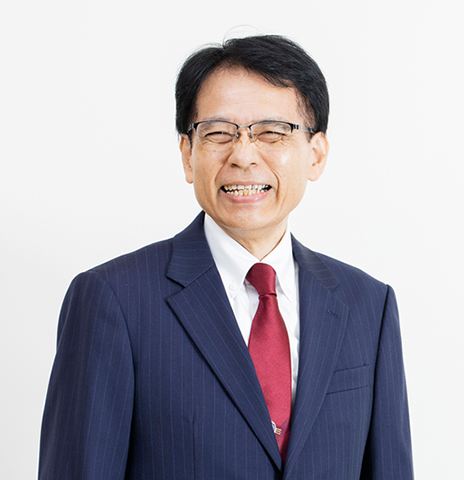
-
Shinji Yae
Professor
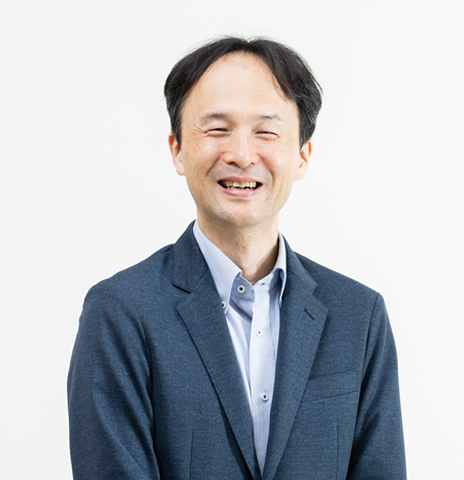
-
Takuji Yamamoto
Professor
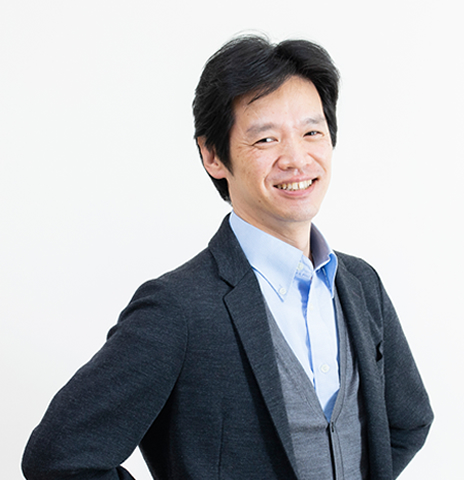
-
Hiroaki Yamamoto
Professor
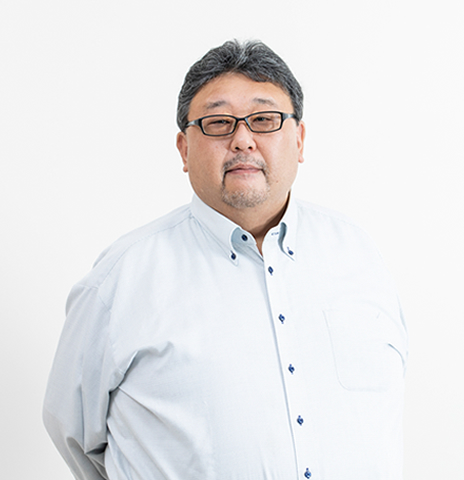
-
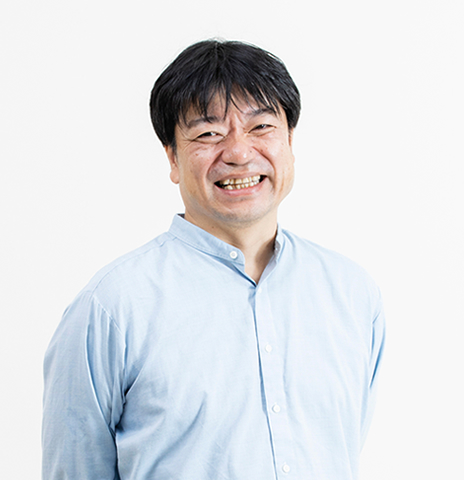
Koji Arafune
Associate Professor
-
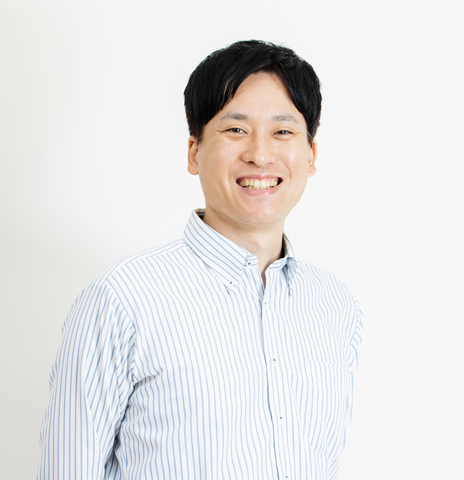
Kenji Iimura
Associate Professor
-
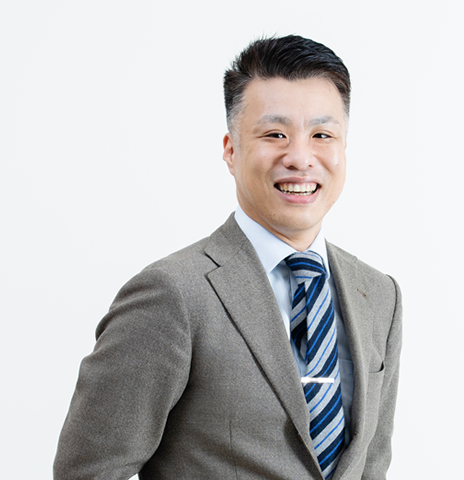
Junichi Inamoto
Associate Professor
-
Takeshi Kakibe
Associate Professor

-
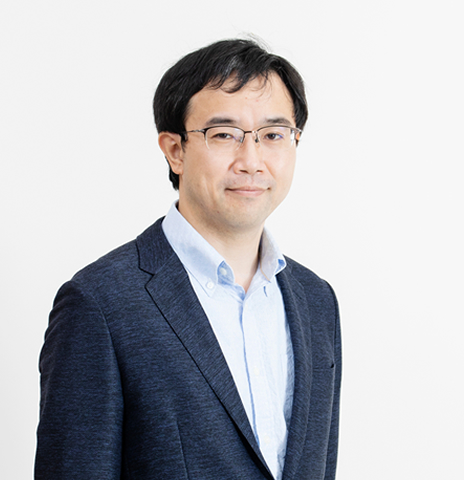
Takeyuki Kikuchi
Associate Professor
-
Mizuho Kondou
Associate Professor
-
Hiroshi Satone
Associate Professor
-
Tadao Takada
Associate Professor
-
Mitsunobu Nakamura
Associate Professor
-
Junichi Nishida
Associate Professor
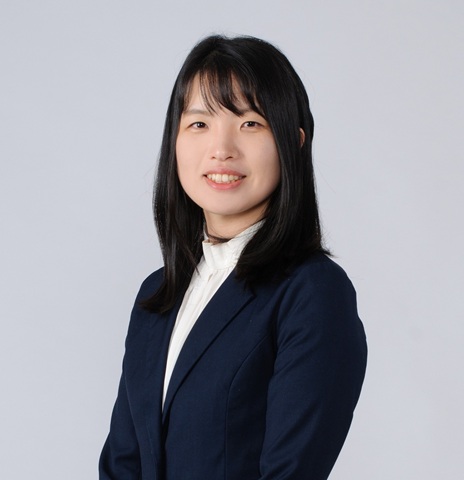
-
Ai Nozaki
Associate Professor
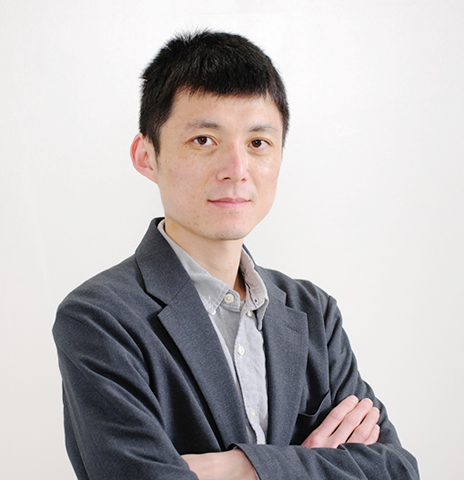
-
Zhenhua Pan
Associate Professor
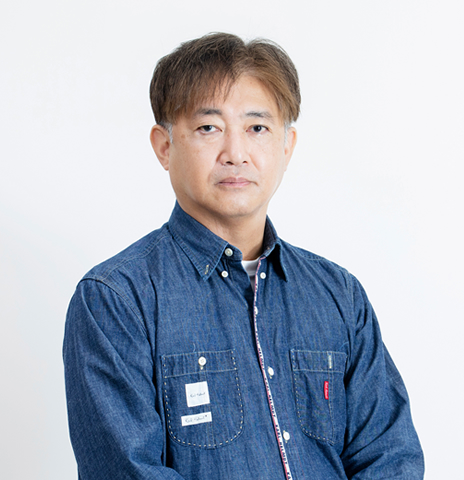
-
Naoki Fukumuro
Associate Professor
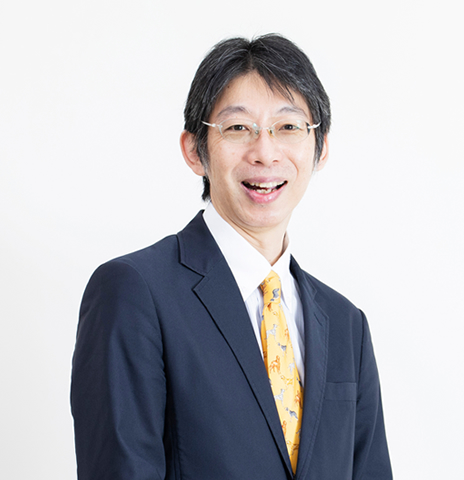
-
Satoshi Matsuda
Associate Professor
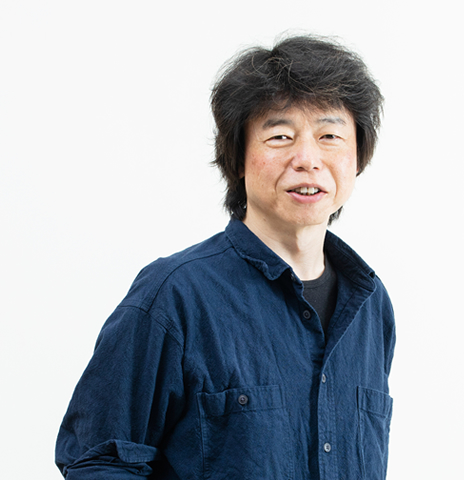
-
Shinichi Yusa
Associate Professor

-
Mehak Jain
Assistant Professor
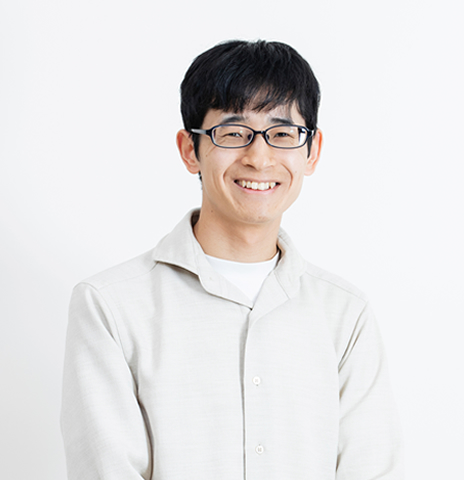
-
Wataru Suzuki
Assistant Professor
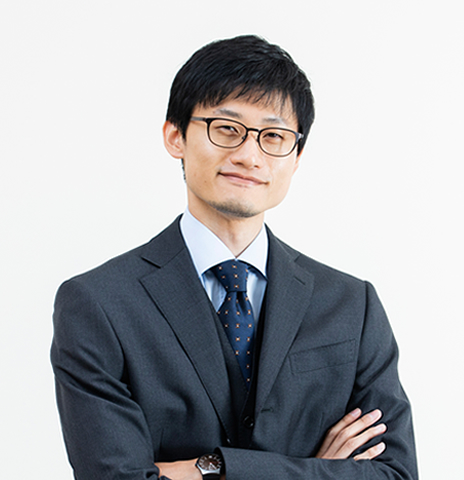
-
Shogo Taguchi
Assistant Professor

-
Kenshiro Matsuda
Assistant Professor
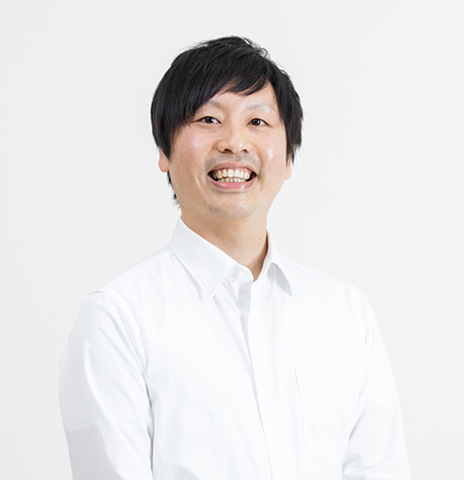
-
Ayumu Matsumoto
Assistant Professor