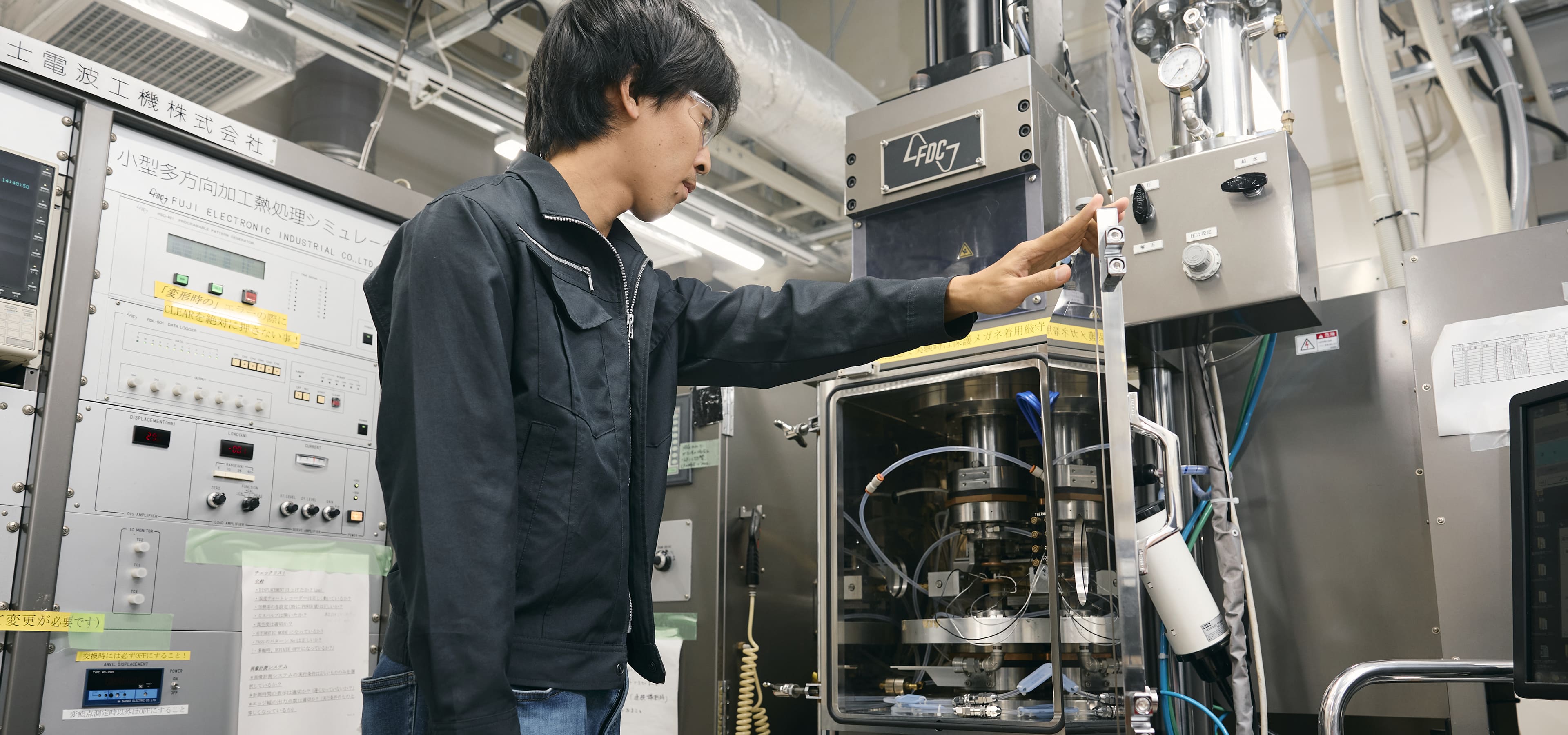
Design. Build. Move the future.
Mechanical engineering turns ideas
into systems that power modern society.
Mechanical engineering is the foundation of technologies that move, produce, transport, heal, and sustain the world around us. In the Mechanical Engineering Course, students build strong fundamentals in mechanics, design, manufacturing, control, energy, and materials while exploring advanced fields such as robotics, mobility, aerospace, medical devices, environmental technology, and next-generation production systems.
Key Learning Points
- POINT01
- Master the Core Foundations of Mechanical Engineering
- Students systematically study the fundamentals of solid mechanics, dynamics, fluid mechanics, thermodynamics, materials, design, and manufacturing. These foundations prepare students to understand how machines are designed, built, operated, and improved.
- POINT02
- Create Next-Generation Systems through Design and Innovation
- Students learn how mechanical engineering connects with AI, data science, biomedical engineering, robotics, energy systems, and advanced manufacturing. Through creative design and engineering analysis, students develop the ability to transform ideas into practical mechanical systems.
- POINT03
- Turn Engineering Ideas into Working Solutions
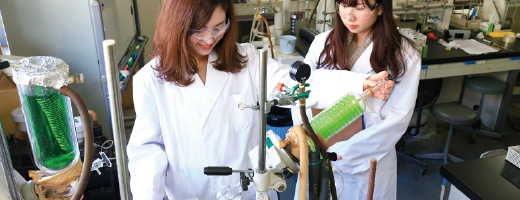
- Through experiments, laboratory work, and hands-on projects, students connect theory with real machines and devices. They experience the full engineering process from design and fabrication to testing, evaluation, and improvement.
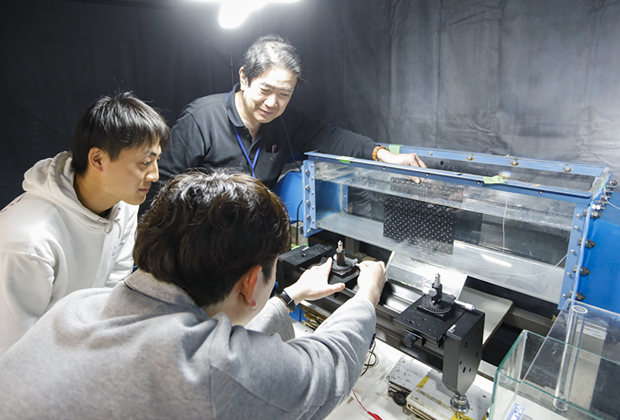
This course explores the technologies behind automobiles, aircraft, robots, medical devices, energy equipment, production systems, and infrastructure. Students engage with a broad field that includes mechanical design, simulation, control, materials, processing, manufacturing, and system development.
Students interested in mobility, aerospace, robotics, energy, environmental technology, medical engineering, manufacturing, or creating things that actually move and work will find a dynamic and practical field of study here.
This Course Is for Students Who Want to:
- Have a strong interest in how machines and mechanical systems work
- Design and build vehicles, aircraft, robots, devices, or production systems
- Contribute to solving energy and environmental problems through technology
- Turn ideas into products through design, analysis, and manufacturing
- Become engineers who create technologies that support society
Career Fields After Graduation
- Manufacturing
- Energy and Environmental Technology
- Transportation and Mobility
- Medical Devices and Healthcare Engineering
- Information and Communication Technology
- Public Service and Infrastructure
Faculty Members
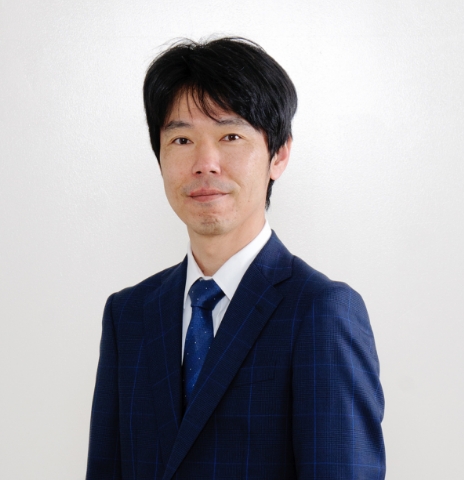
-
Yoshiaki Ukita
Professor
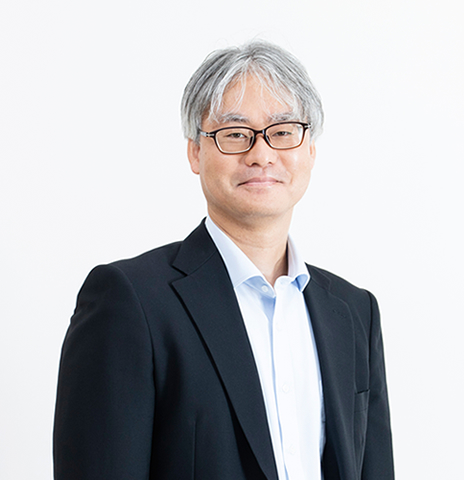
-
Osamu Kawanami
Professor
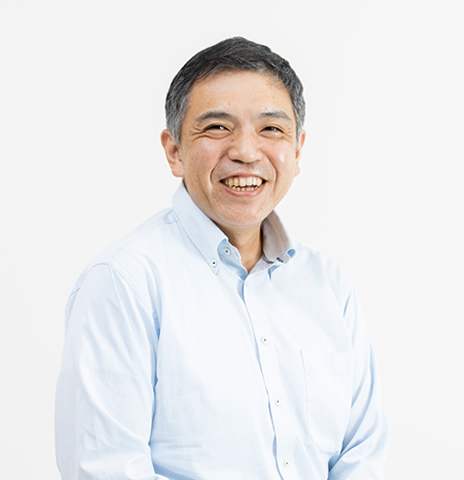
-
Hiroshi Kinoshita
Professor
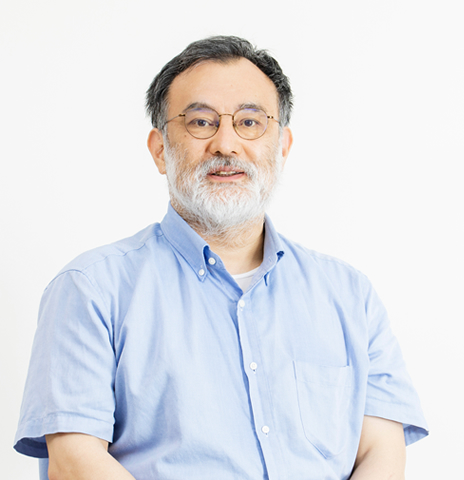
-
Masaharu Kuroda
Professor
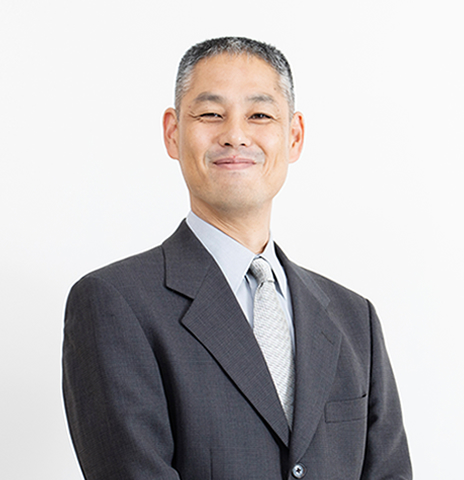
-
Takao Sato
Professor
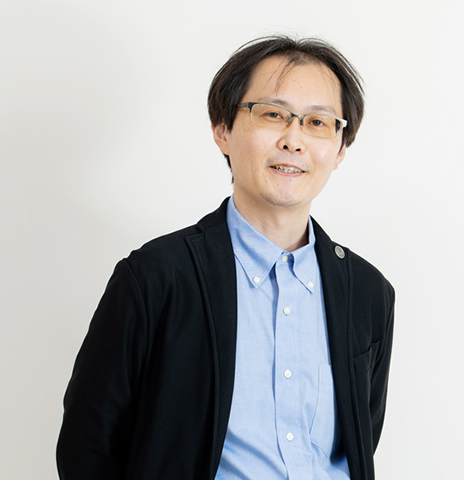
-
Naohisa Takagaki
Professor
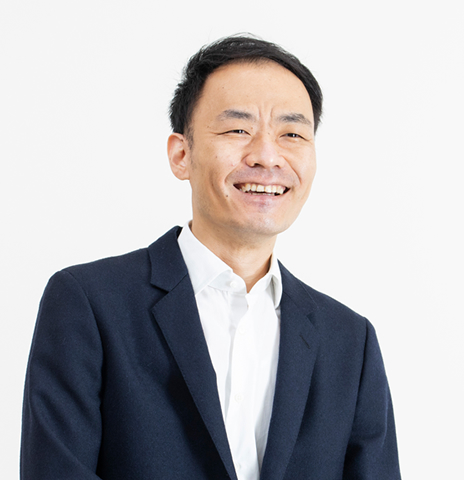
-
Hiro Tanaka
Professor

-
Masaru Higa
Professor
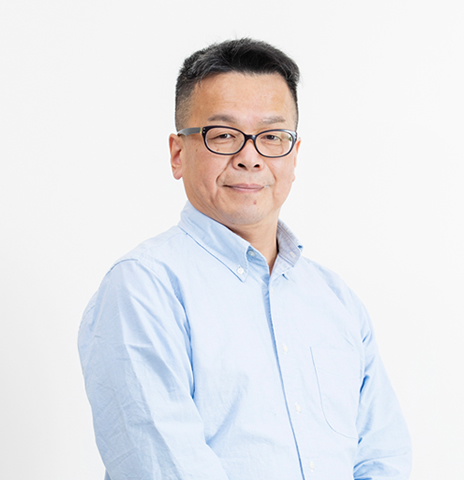
-
Masayoshi Abo
Associate Professor
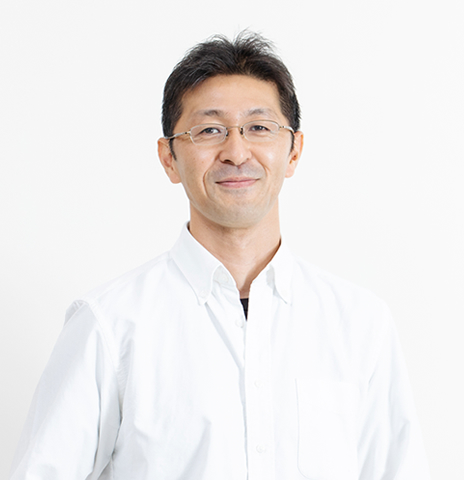
-
Nozomu Araki
Associate Professor
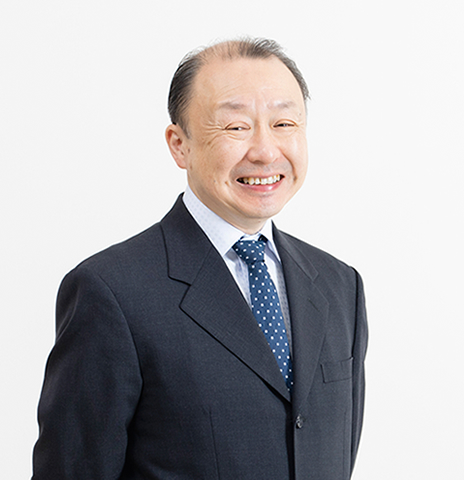
-
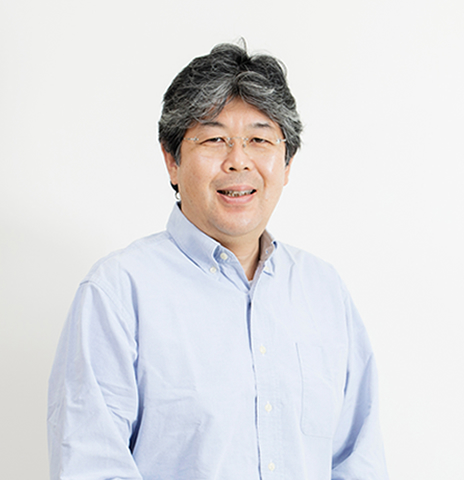
Fumiyoshi Kimura
Associate Professor
-
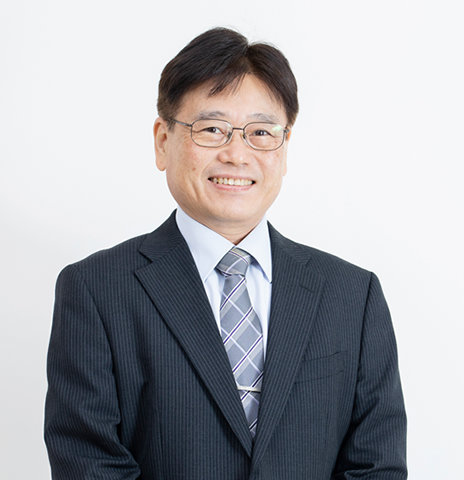
Masaaki Kimura
Associate Professor
-
Masahiro Kusaka
Associate Professor

-
Ippei Tanaka
Associate Professor
-
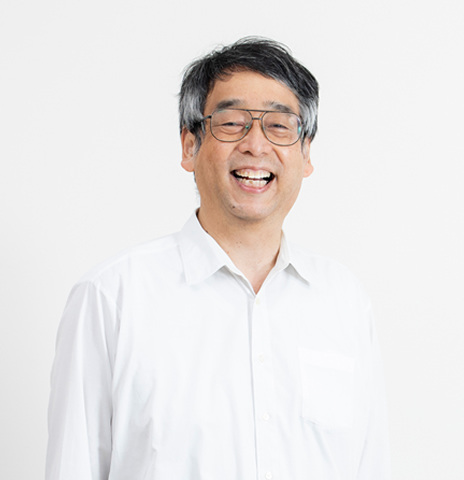
Masayuki Nunobiki
Associate Professor
-
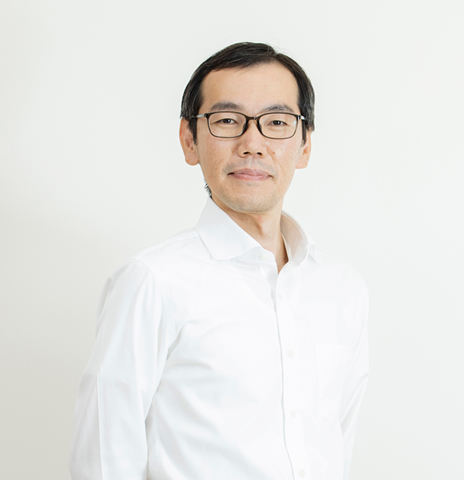
Naohiro Matsumoto
Associate Professor
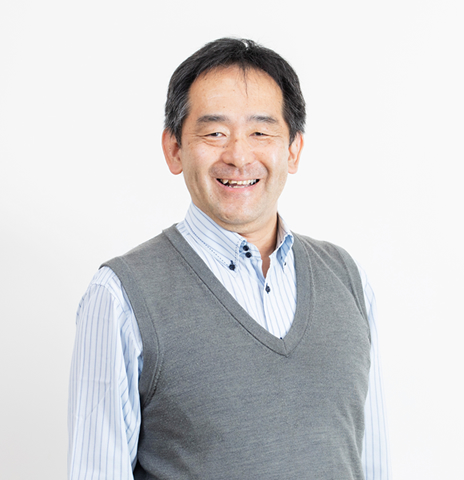
-
Yoshiyuki Yamaguchi
Associate Professor
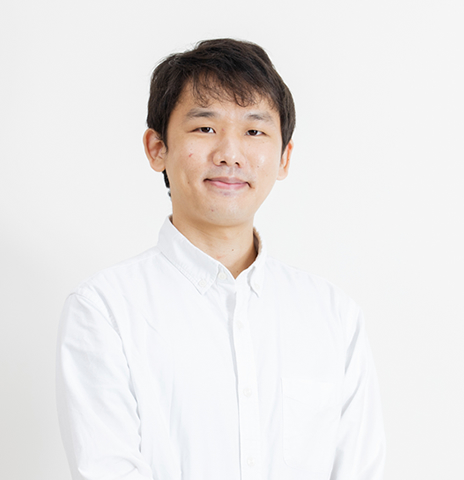
-
Natsuki Kawaguchi
Assistant Professor

-
Fumiya Kidena
Assistant Professor

-
Serina Tanaka
Assistant Professor

-
Yusuke Tsunoda
Assistant Professor
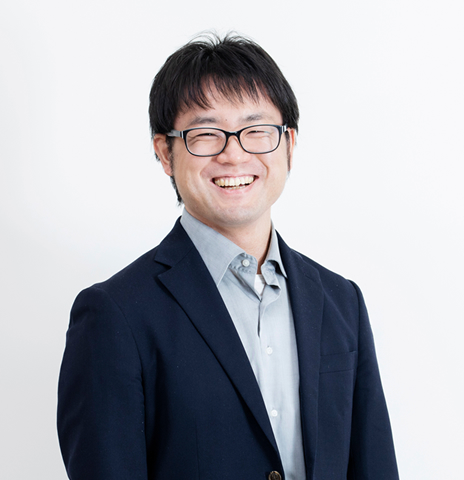
-
Tomoki Hirokawa
Assistant Professor