

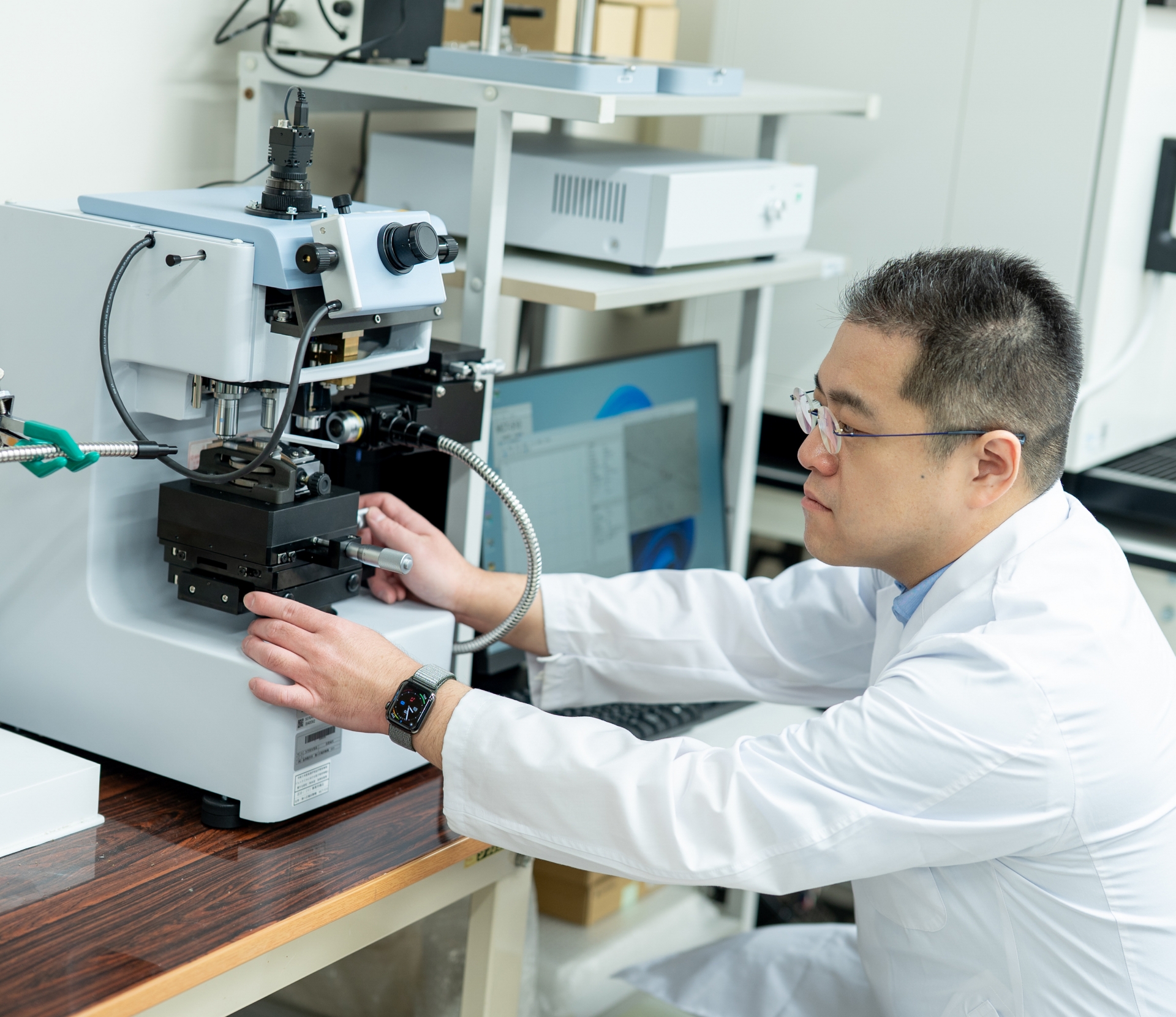


The Graduate School of Engineering at the University of Hyogo strives to disseminate pioneering knowledge from Hyogo Prefecture to the world.
Our diverse researchers known as “eng.er” engage in original research daily that paves the way for the future.
In order for the university’s knowledge to be truly useful to society, dialogue and collaboration with Hyogo Prefecture,
domestic and international companies, universities, public institutions, and local communities are essential.
On this site, we present concrete knowledge in the form of the results of cutting-edge research, advanced technical resources, and know-how that we can provide.
The Graduate School of Engineering at the University of Hyogo strives to disseminate pioneering knowledge from Hyogo Prefecture to the world. Our diverse researchers known as “eng.er” engage in original research daily that paves the way for the future.
In order for the university’s knowledge to be truly useful to society, dialogue and collaboration with Hyogo Prefecture, domestic and international companies, universities, public institutions, and local communities are essential.
On this site, we present concrete knowledge in the form of the results of cutting-edge research, advanced technical resources, and know-how that we can provide.

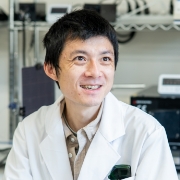
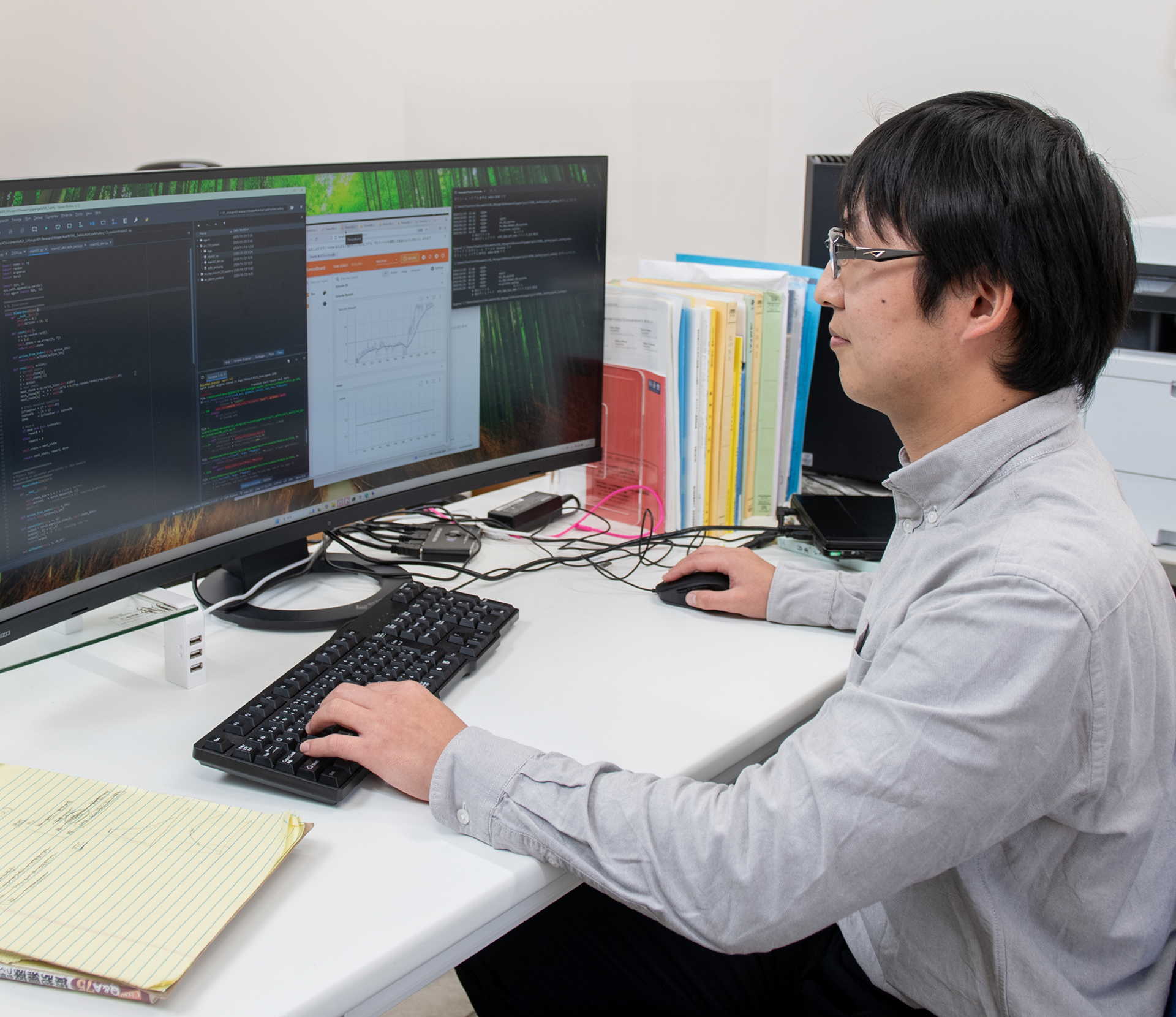
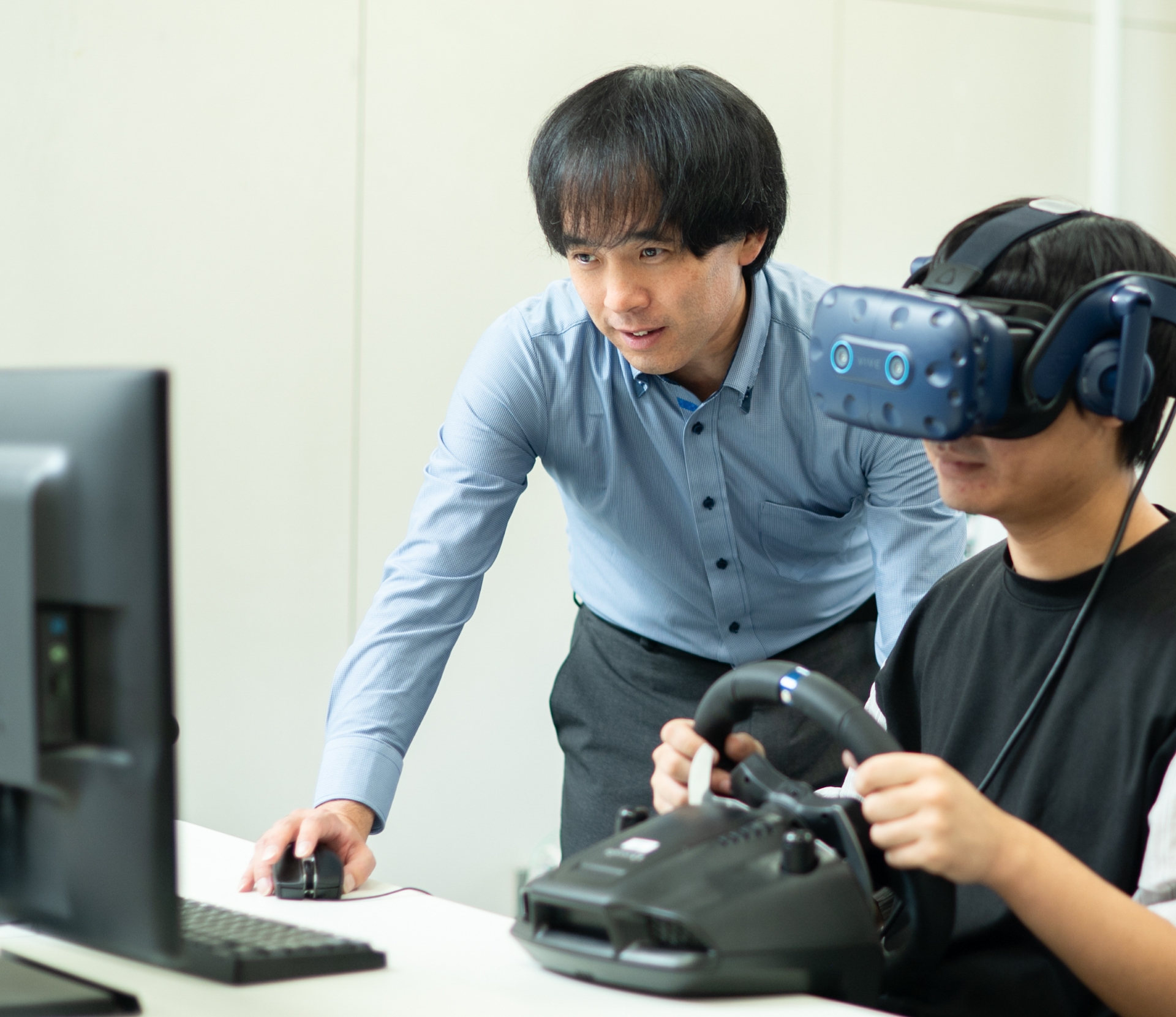
Human understanding technologies essential for advancing autonomous systems, and interaction design for training support and behavior modification in human–autonomous system collaboration.
Field of AI and Informatics, Graduate School of Engineering Associate Professor Hirotake Yamazoe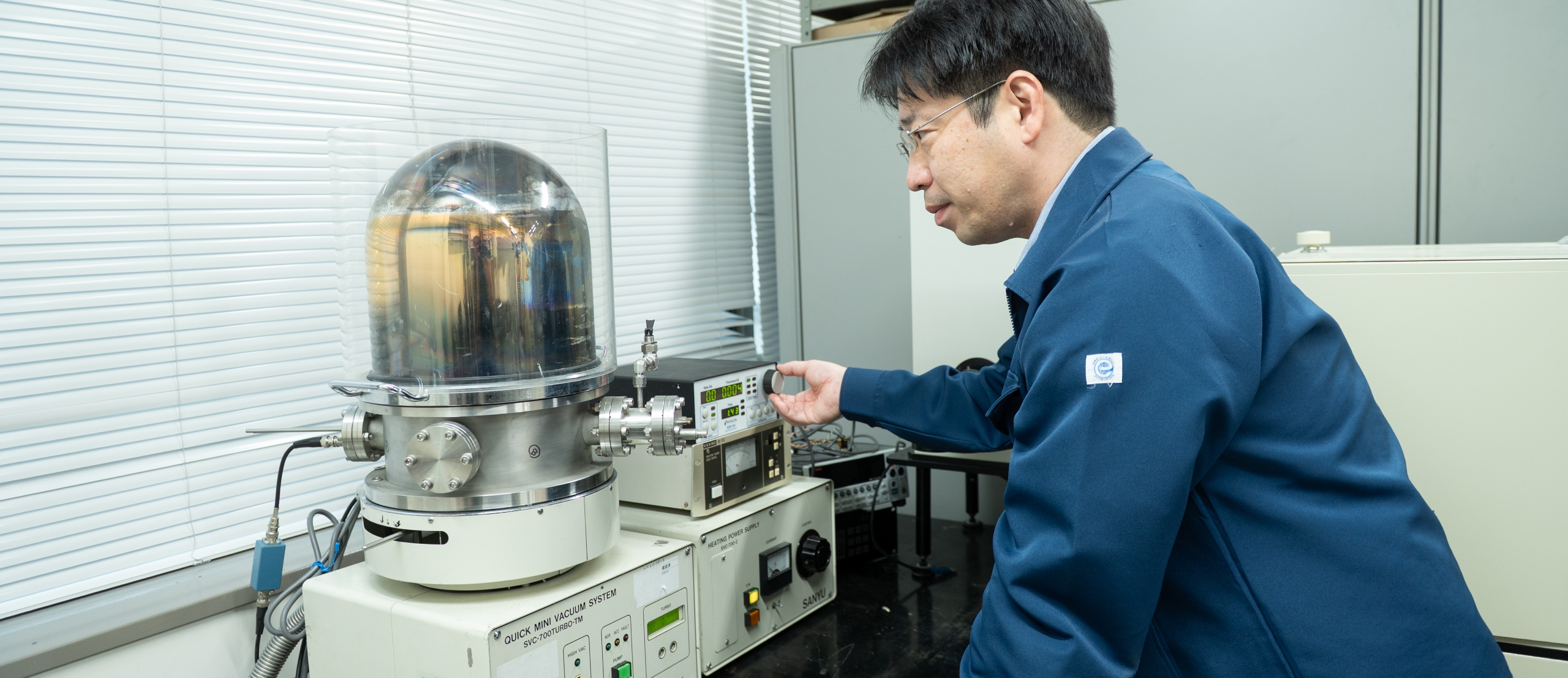
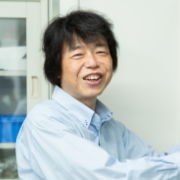
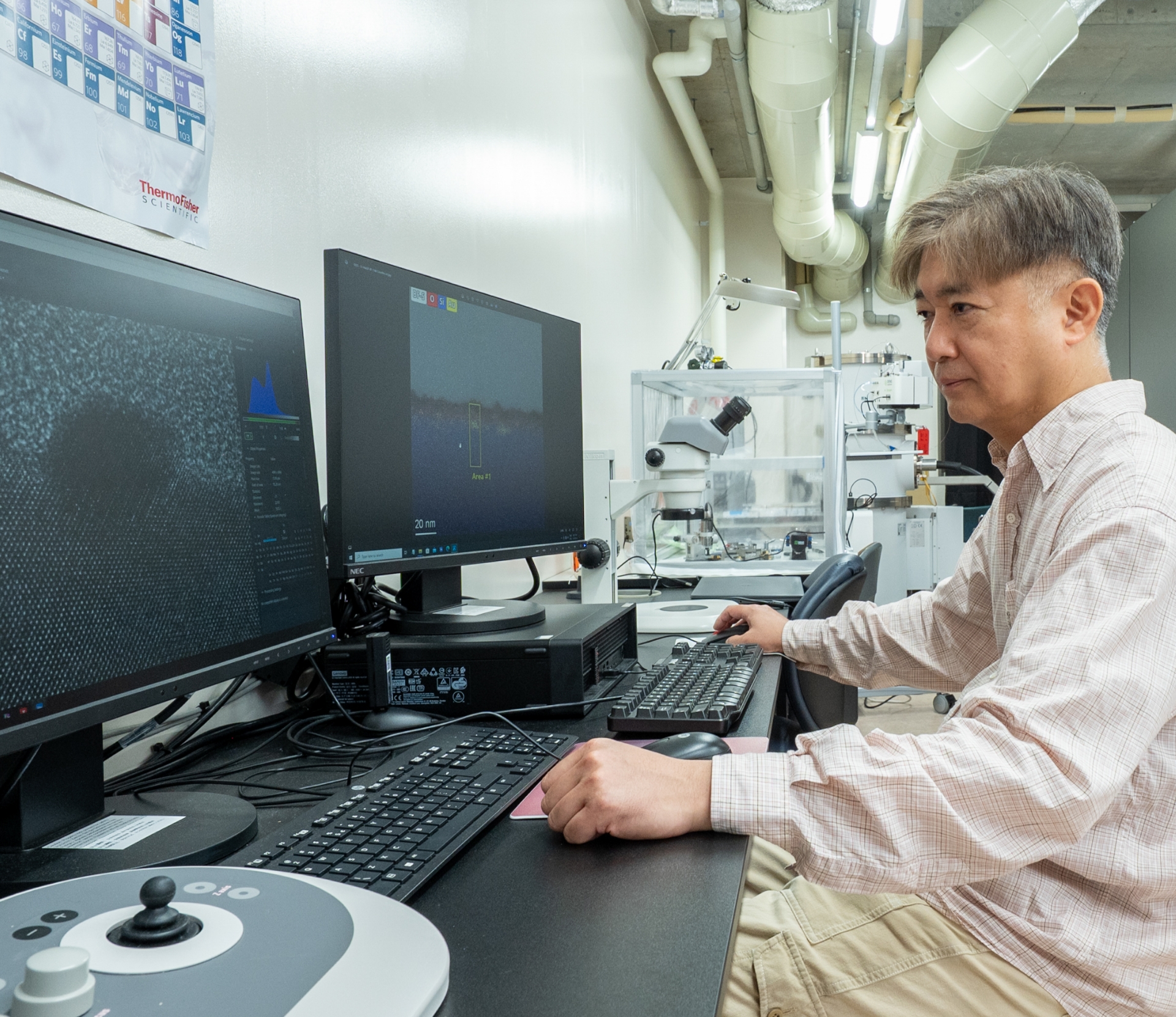
We aim to realize the creation of two-dimensional semiconductor nanosheets with diverse compositions and structures that cannot be achieved with graphene.
Field of Electrical and Electronic Eng., Graduate School of Engineering Associate Professor Shunjiro Fujii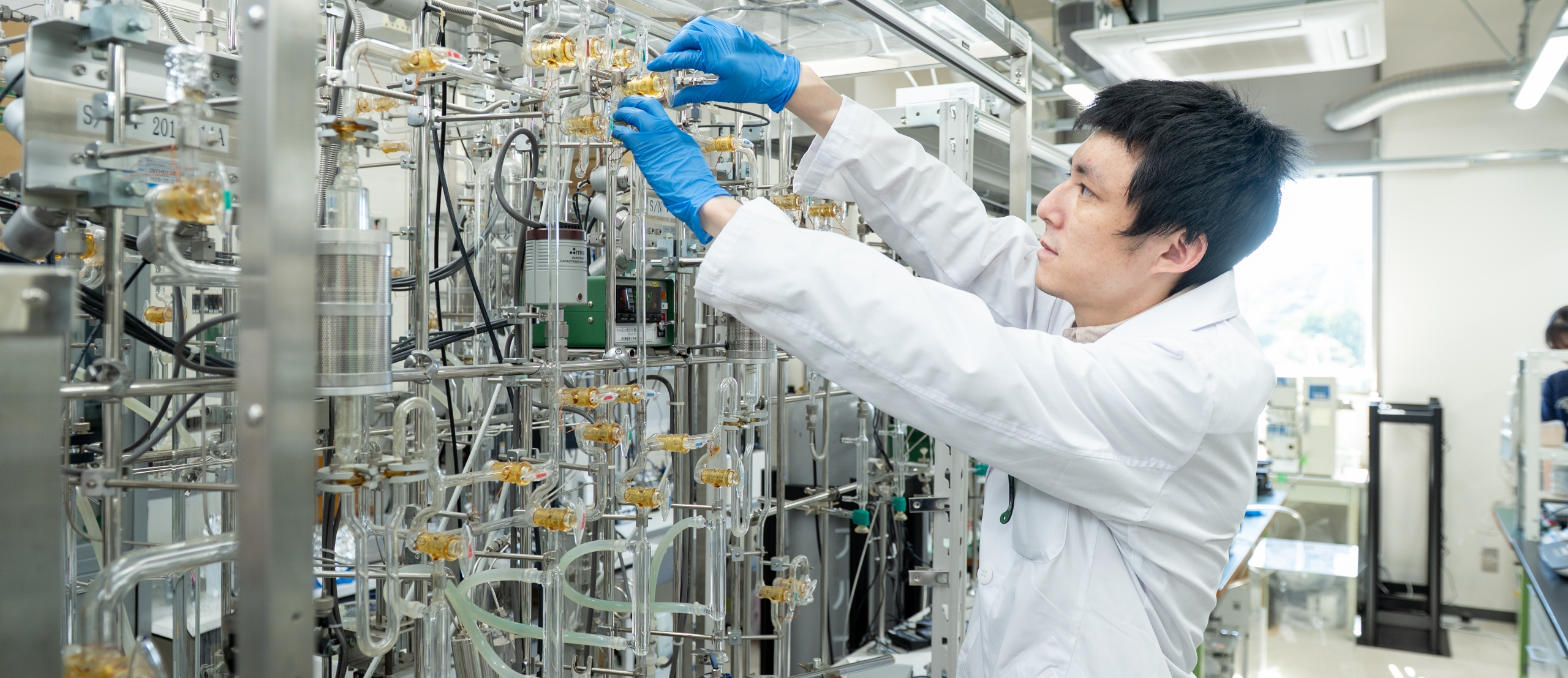
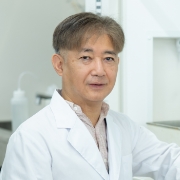
Solar fuel production via photocatalysis refers to the technology of using sunlight to convert abundant resources such as water and carbon dioxide into clean fuels like hydrogen and hydrocarbons. As a form of artificial photosynthesis, it has attracted great attention for its potential to enable sustainable energy supply while reducing greenhouse gas emissions. Key research areas include the development of highly efficient photocatalyst materials, understanding reaction mechanisms, and optimizing electrochemical processes.
Field of Chemistry, Graduate School of Engineering Associate Professor Pan Zhenhua
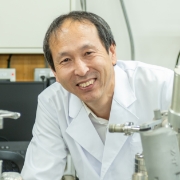
We have established a method for synthesizing PMPC, a biocompatible polymer with phospholipid-like groups, on silica particles to produce hollow particles.The shell thickness of the hollow particles could be freely adjusted depending on the composition of the polymerization solvent. Using fluorescein as a model molecule, approximately 10% could be incorporated into the hollow core, achieving sustained release over 30–50 hours, which is expected to have medical applications such as drug carriers.
Field of Chemistry, Graduate School of Engineering Associate Professor Shin-ichi Yusa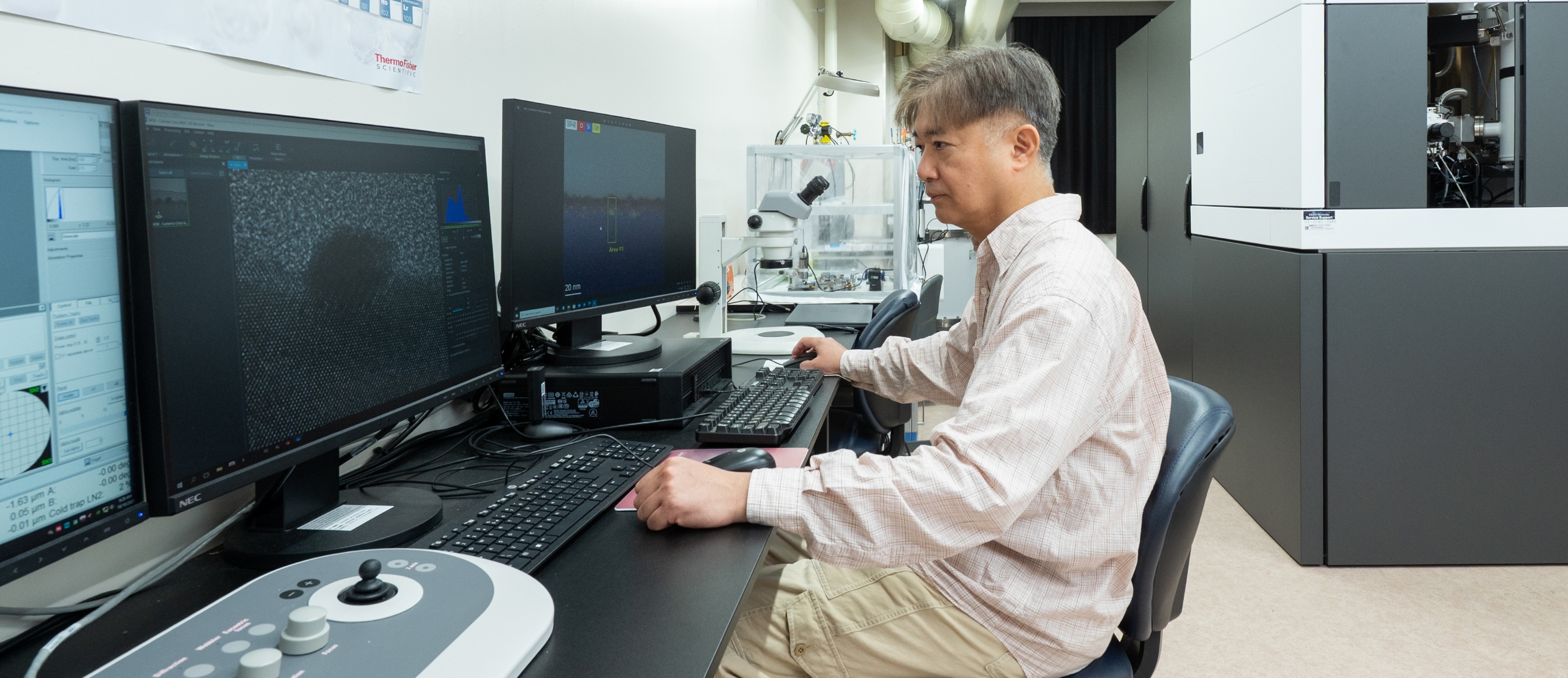
Elucidation of hydrogen-related problems in plating and hydrogen embrittlement of substrate metals
Field of Chemistry, Graduate School of Engineering Associate Professor Naoki Fukumuro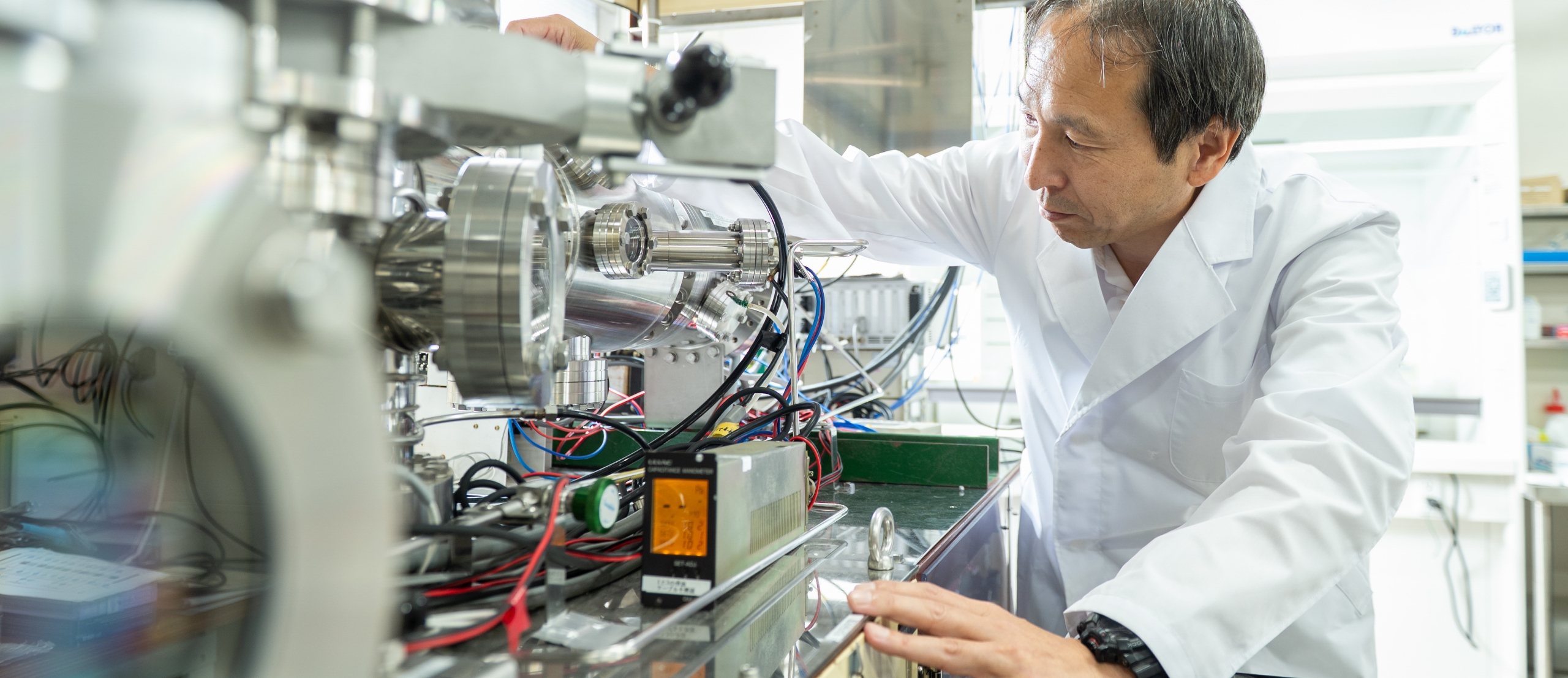
Innovative Semiconductor Formation and Surface Modification for a Safe, Secure, and Sustainable Future Society
Field of Materials Design, Graduate School of Engineering Associate Professor Akira Heya
Intraoperative joint reaction force measurements using an instrumented prosthesis.
Field of Mechanical Eng., Graduate School of Engineering Professor Masaru Higa
Our research focuses on developing a next-generation protein synthesis platform based on the 'human PURE system' to serve diverse needs from mechanistic basic science to drug discovery and industrial-scale bioproduction.
Field of Chemistry, Graduate School of Engineering Professor Kodai Machida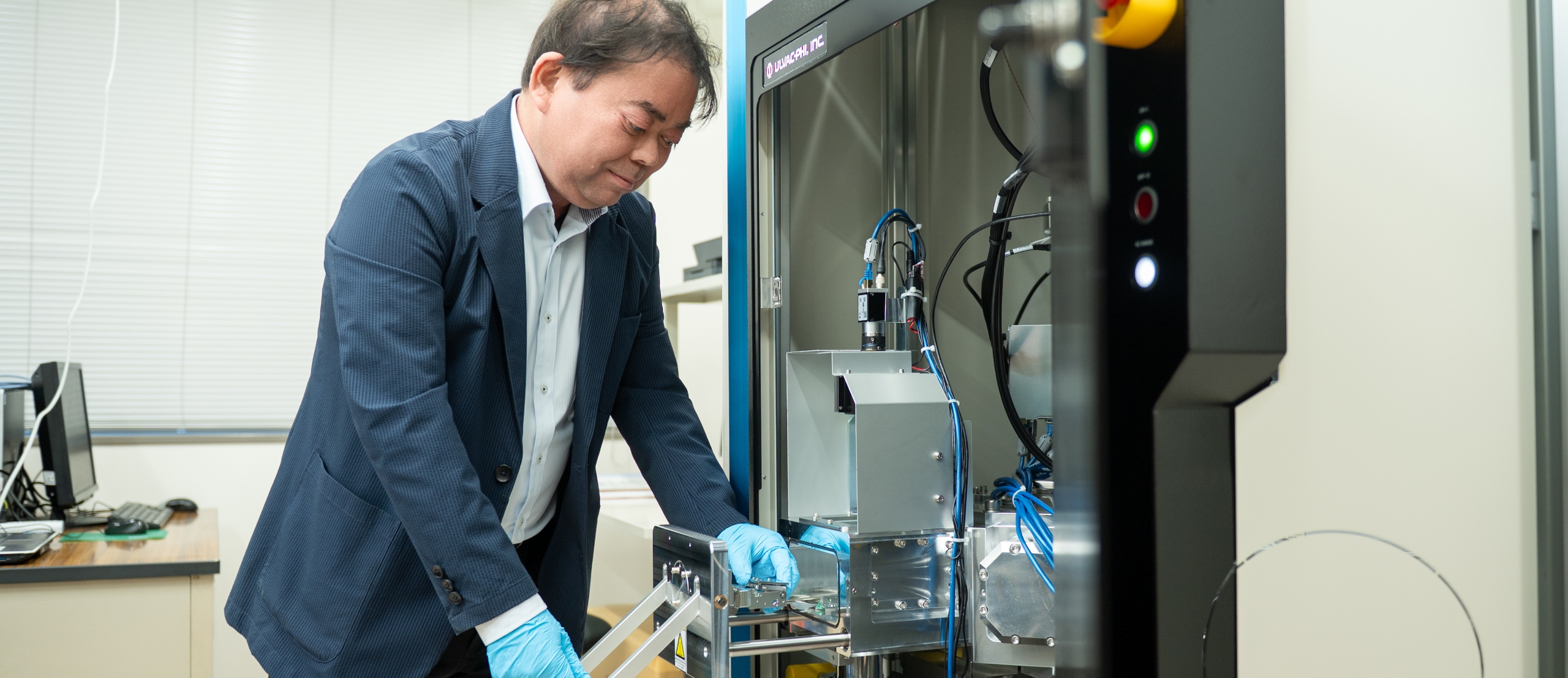
Beyond Silicon: Ferroelectric Semiconductors for Next-generation Devices
Field of Electrical and Electronic Eng., Graduate School of Engineering Professor Seiji Nakashima
By skillfully combining carbon and typical elements, we are developing new functional organic materials that are useful to society.
Field of Chemistry, Graduate School of Engineering Associate Professor Jun-ichi Nishida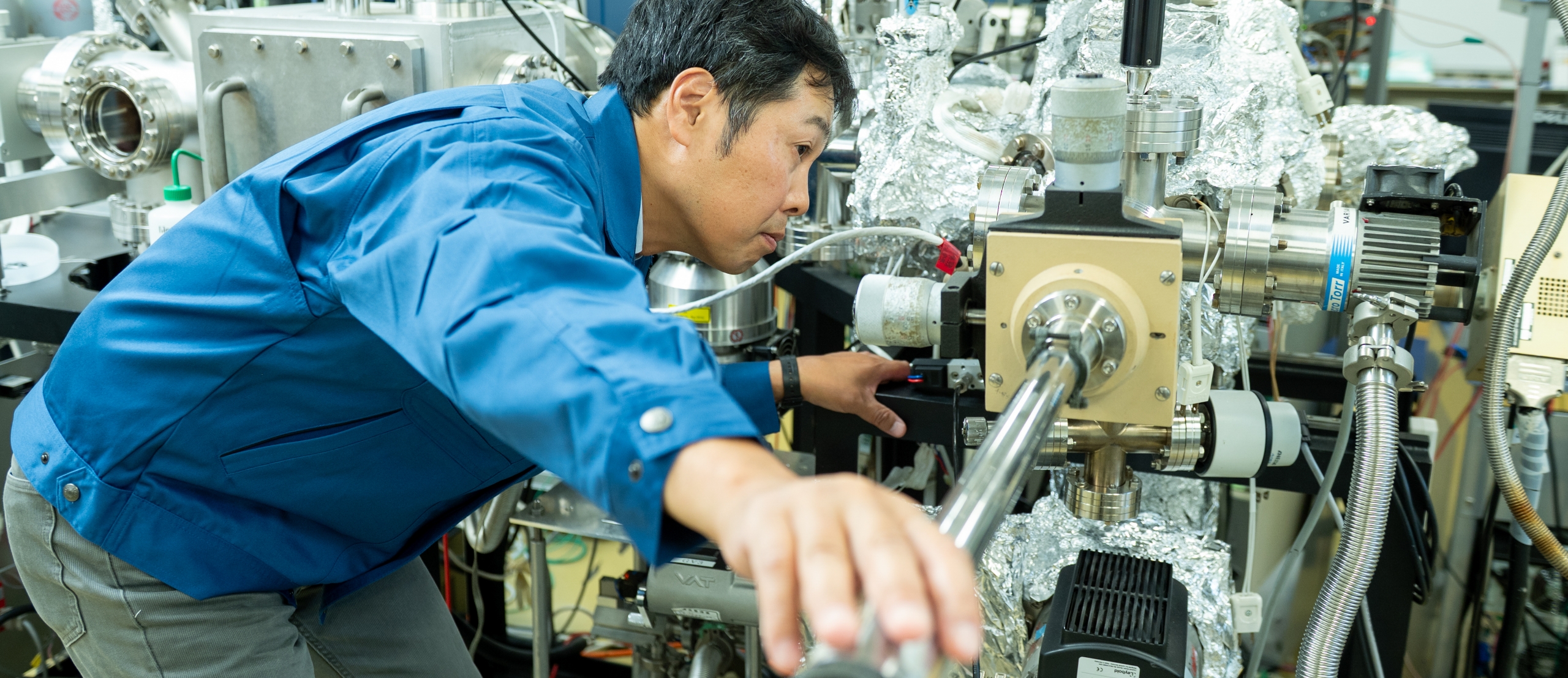
High-speed collisions of gas cluster ions with material surfaces result in the emission of surface atoms, molecules, and cluster fragments. Investigating these emitted species enables the characterization of the surface state of the material.
Field of Materials Design, Graduate School of Engineering Associate Professor Kousuke Moritani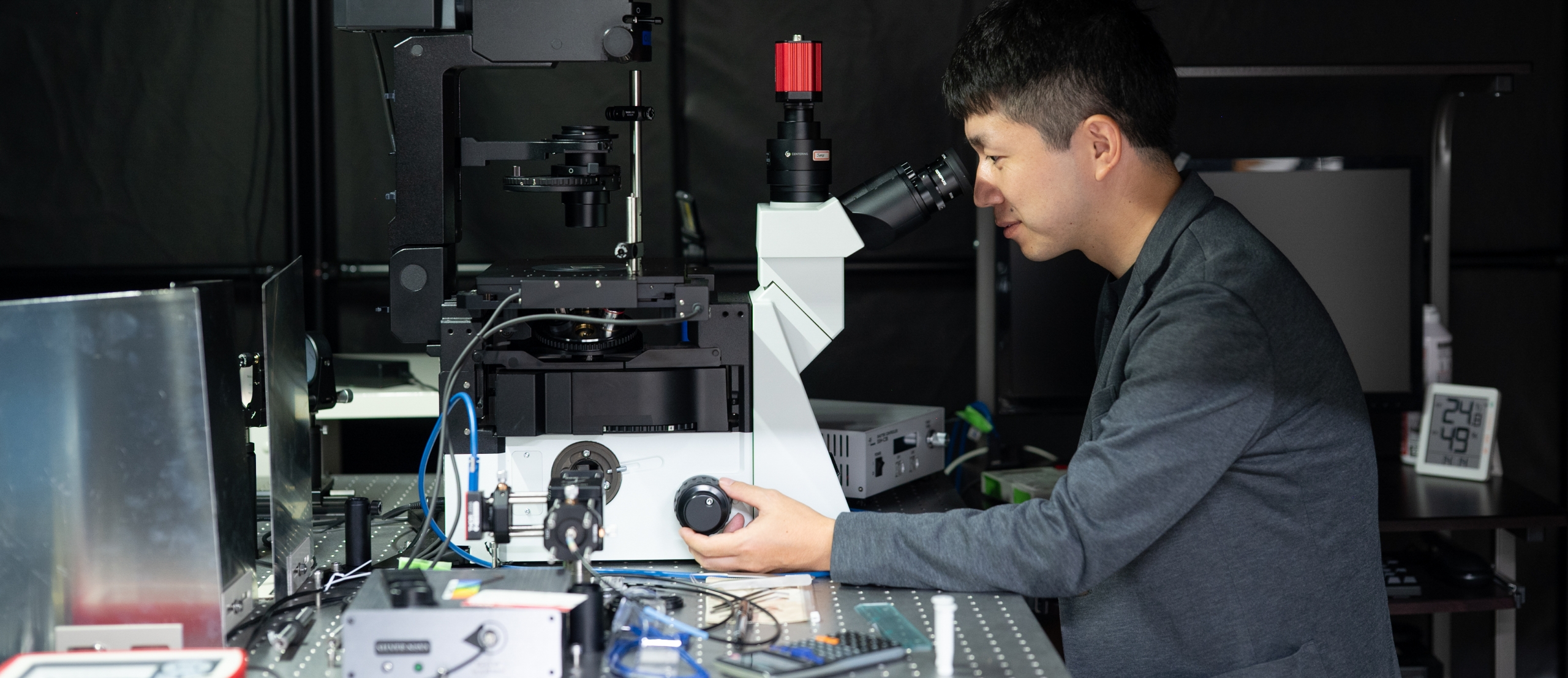
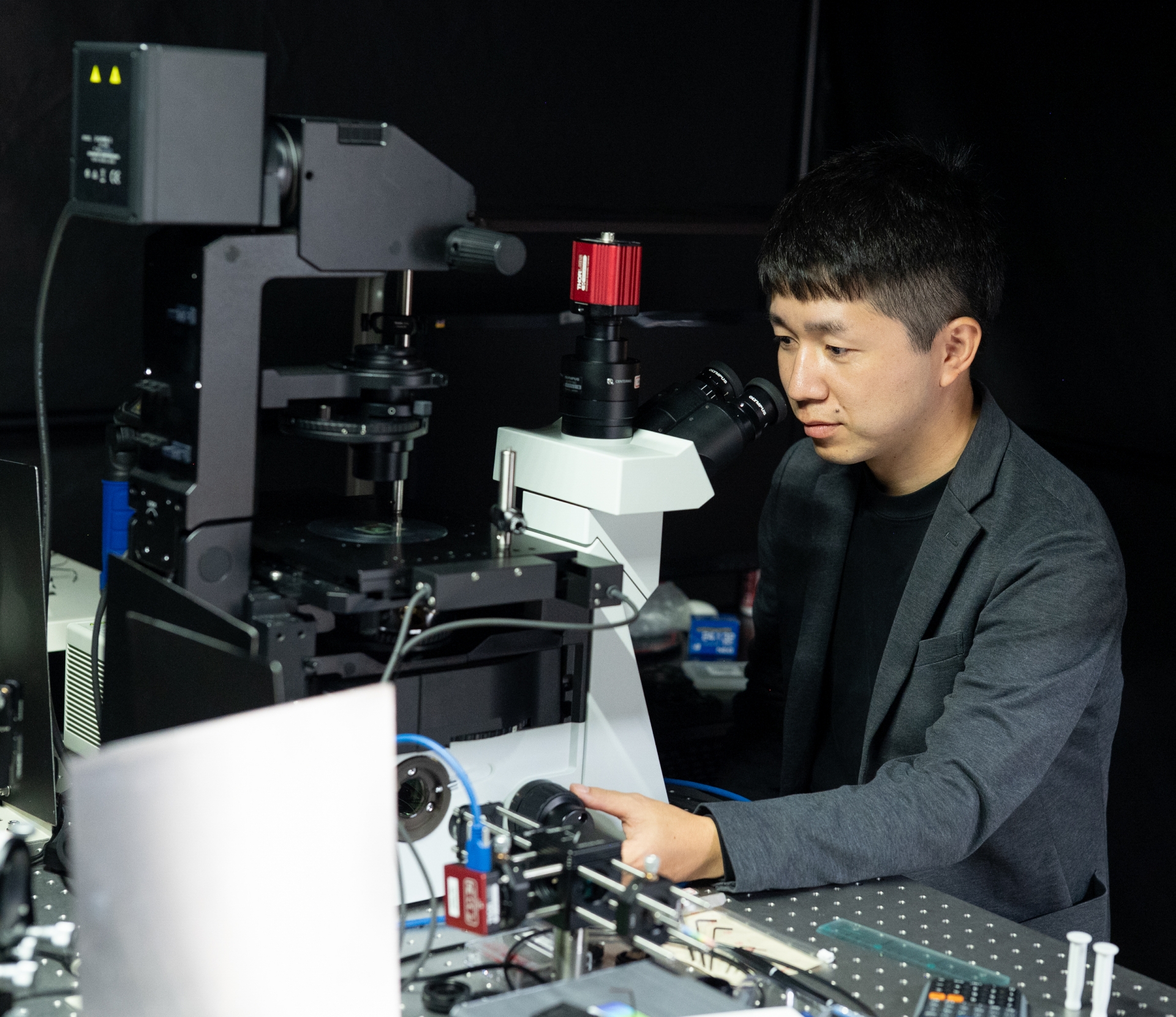
Gold appears golden in bulk form, but when it becomes nanoparticles at the nanometer scale, it shows a vivid red color. This phenomenon comes from “localized plasmons,” which are coherent waves of electrons in the metal that strongly absorb and scatter specific colors of light from white light. We are developing nanoantennas that use this localized plasmon to efficiently convert light energy into heat.
Field of Electrical and Electronic Eng., Graduate School of Engineering Associate Professor Kenji Setoura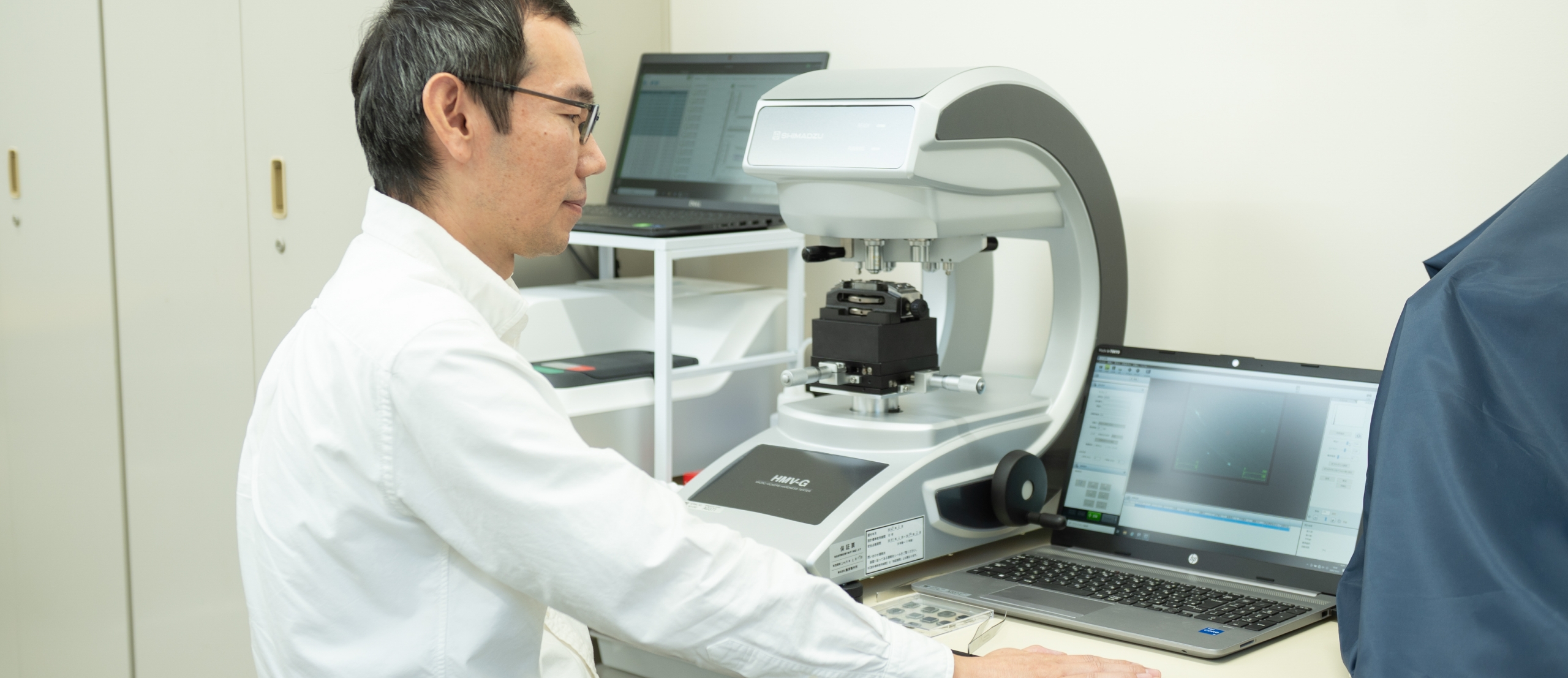
Technology enabling machinery to operate stably in harsh environments such as high and low temperatures
Field of Mechanical Eng., Graduate School of Engineering Associate Professor Naohiro Matsumoto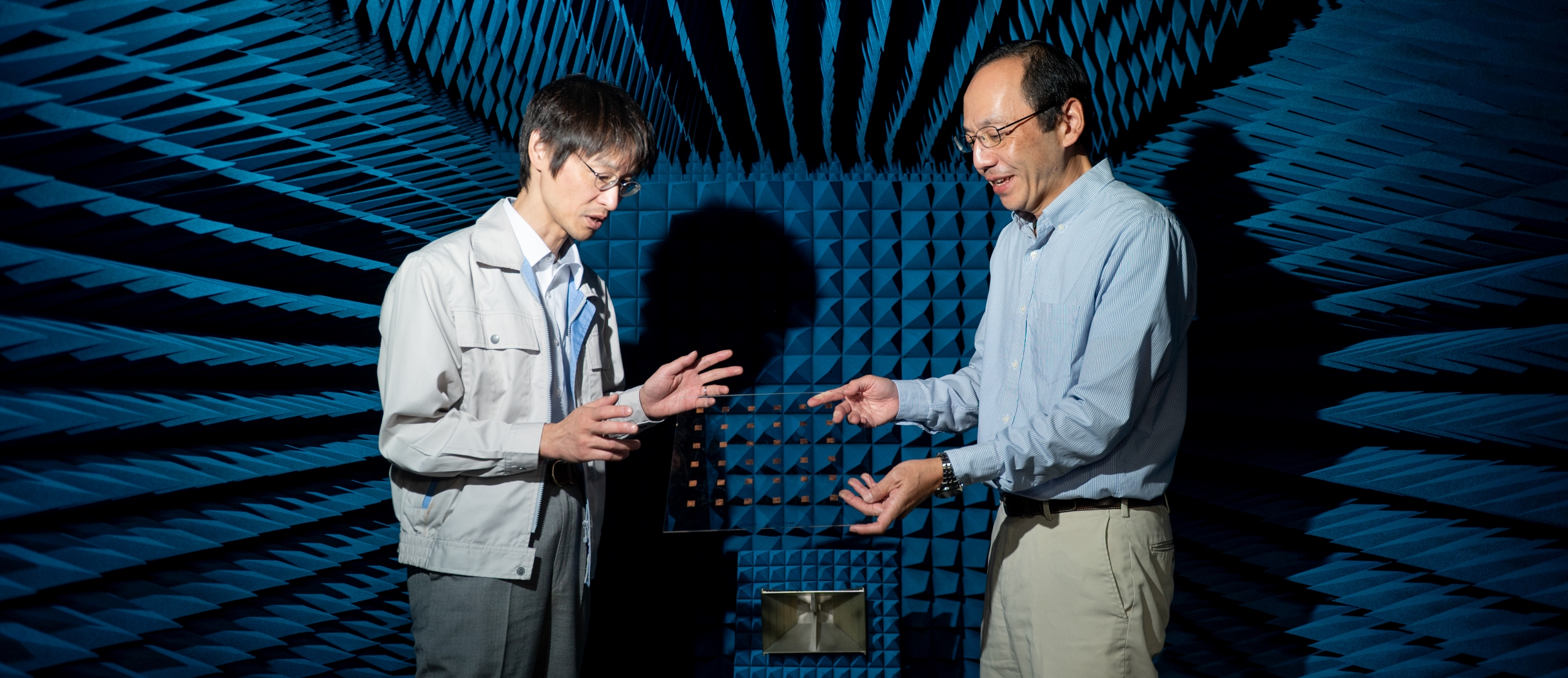
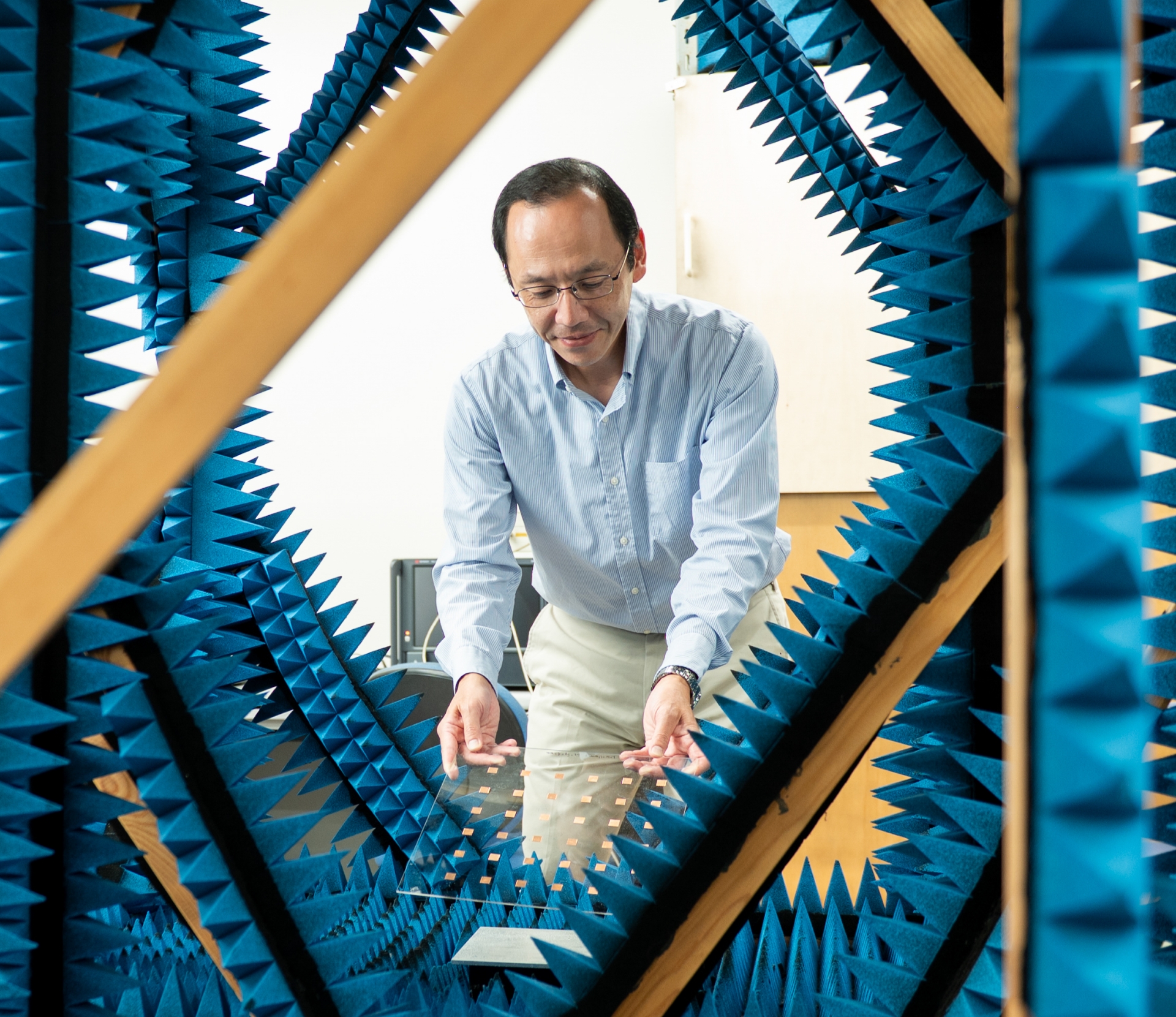
Electromagnetic (EM) wave absorbers and shielding materials, which are electromagnetic environment countermeasures, are essential for the future development of information and communication technology. In this research, we are trying to design and evaluation of novel EM wave absorbers and shielding materials from low to high frequencies. Furthermore, we are developing EM wave transmission materials that allow EM waves in the desired frequency band to pass through.
Field of Electrical and Electronic Eng., Graduate School of Engineering Associate Professor Shinichiro Yamamoto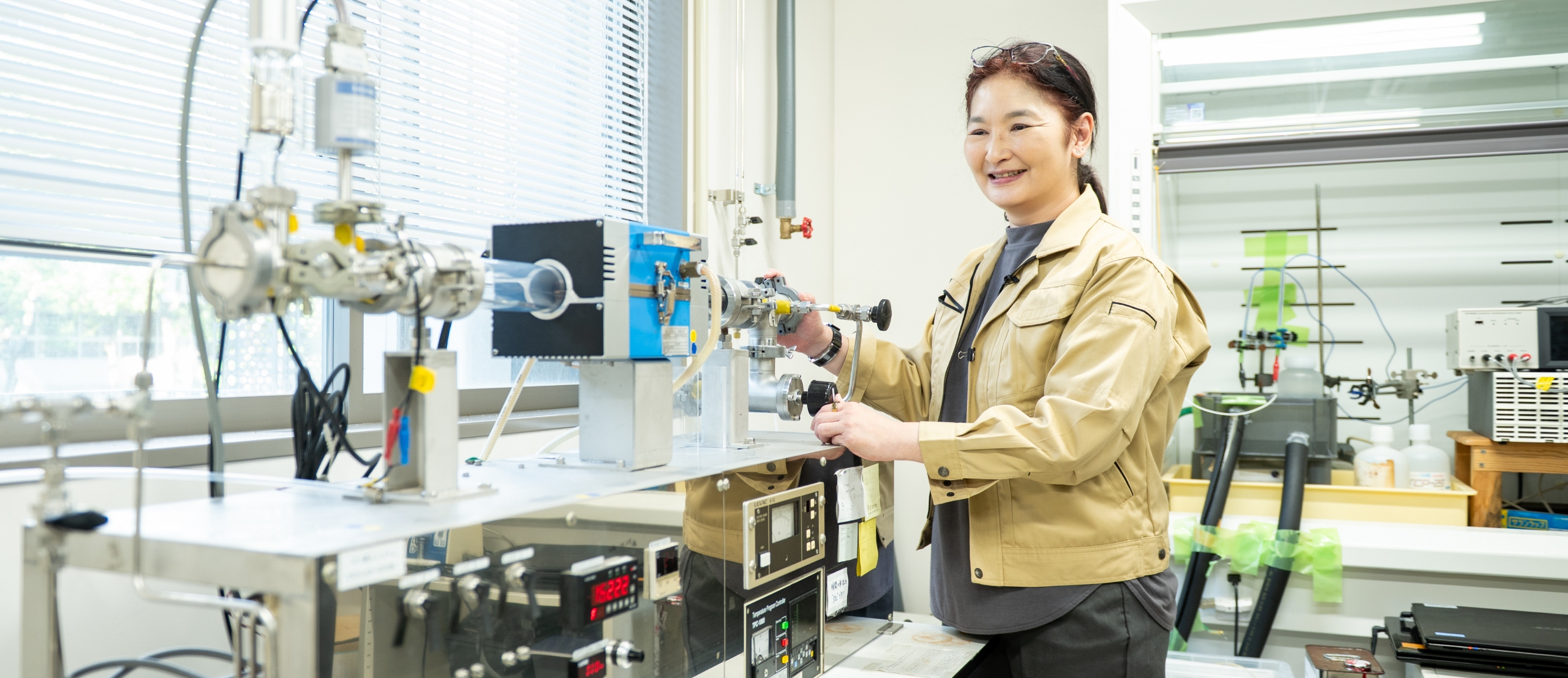
Research on improving the functionality of material interfaces
Field of Materials Design, Graduate School of Engineering Associate Professor Eri Miura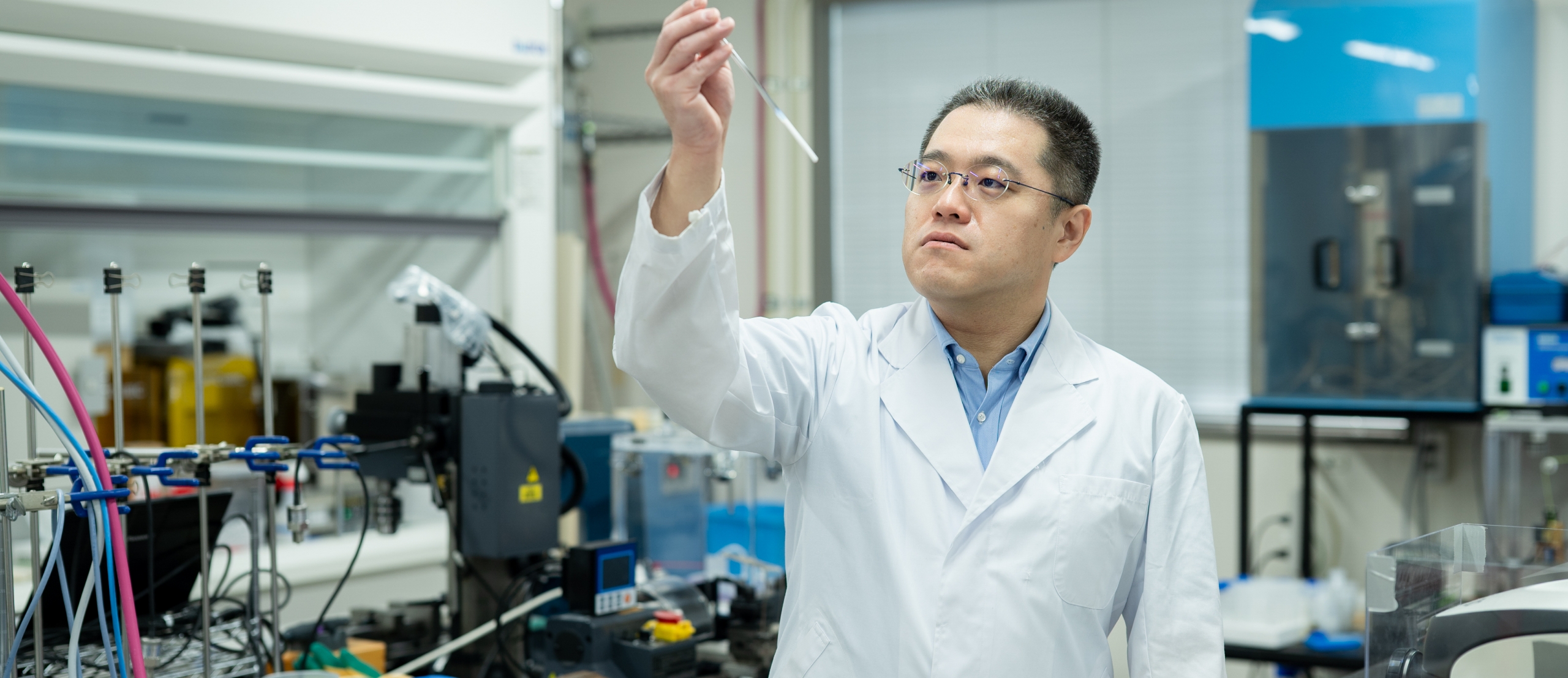
In processes handling slurries with highly concentrated dispersed fine particles in liquids—such as various battery electrodes, cosmetics, and paints—controlling the dispersion state of particles in the liquid is critically important. Furthermore, efficient particle aggregation technology is required for recovering valuable substances from liquids. This research successfully achieved reversible control of the dispersion state of particles in the liquid through external stimuli like pressure or agitation by optimizing slurry preparation conditions.
Field of Chemistry, Graduate School of Engineering Associate Professor Hiroshi Satone
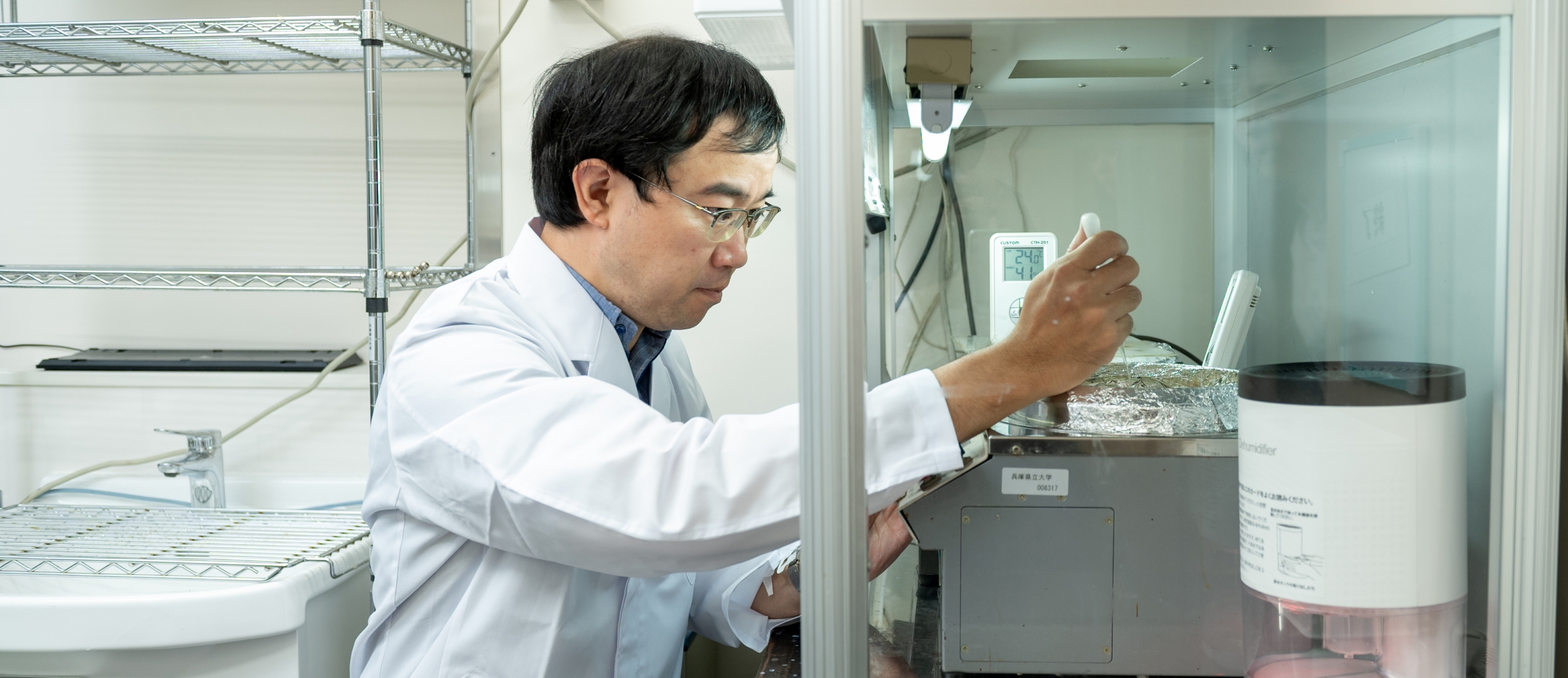
DNA possesses molecular recognition and self-assembly capabilities, while metallic nanoparticles generate near-field light through interactions with photons. We are developing a “photonic DNA sensor” that integrates these two features to enable highly sensitive and rapid nucleic acid detection. In parallel, we are investigating the photocurrent amplification and molecular detection functions that emerge from this integration, aiming to apply them to next-generation diagnostic technologies.
Field of Chemistry, Graduate School of Engineering Associate Professor Tadao Takada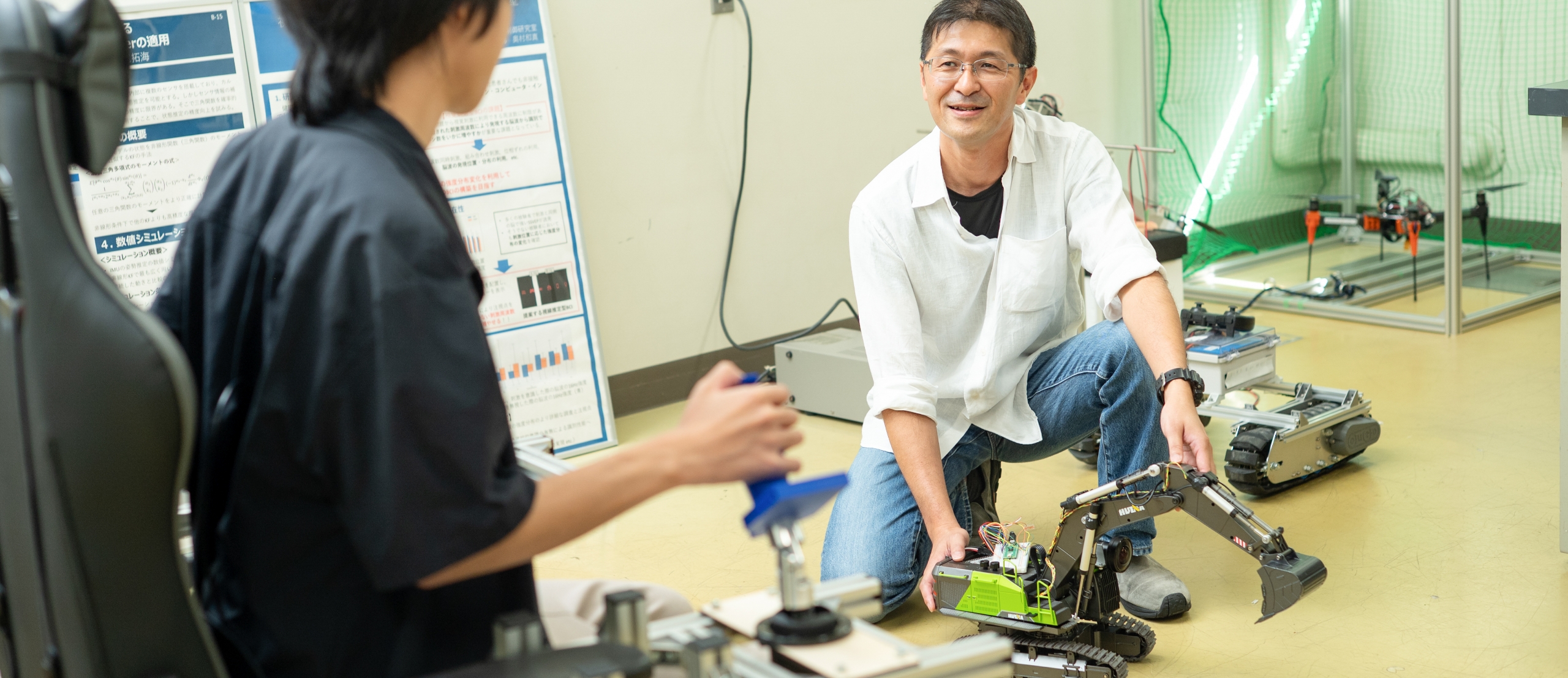
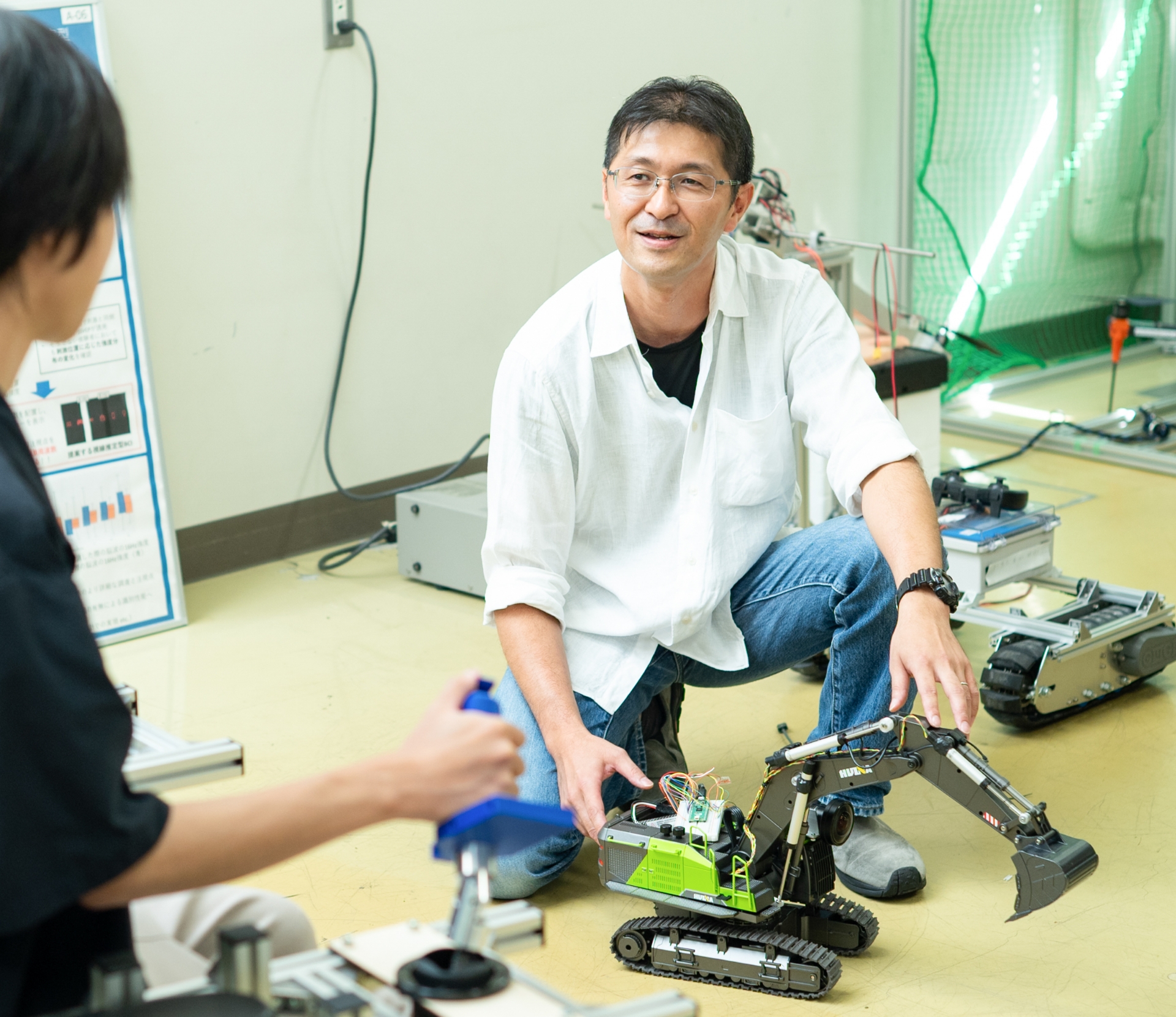
Our research focuses on developing machine systems that are intuitive and easy for users to operate. To achieve this, we investigate control methodologies and interface designs. One of our key approaches involves utilizing bio-signals such as electroencephalograms (EEG) and electromyograms (EMG), which reflect human activity, to infer user intent and enable machine operation in a manner analogous to natural body movement.
Field of Mechanical Eng., Graduate School of Engineering Associate Professor Nozomu Araki
In pursuit of realizing nuclear fusion power—often hailed as the "dream energy source"—I am tackling a wide range of challenges.
Simultaneously, I am applying the academic insights gained through this research to various other fields.
Liquid crystals possess the property of easily altering their molecular alignment in response to external stimuli, making them widely used in fields such as displays and thermometers. We are advancing the development of new materials that can freely change properties including color, transparency, hardness, and shape by incorporating molecules that change form when exposed to light into liquid crystals.
Field of Chemistry, Graduate School of Engineering Associate Professor Mizuho Kondo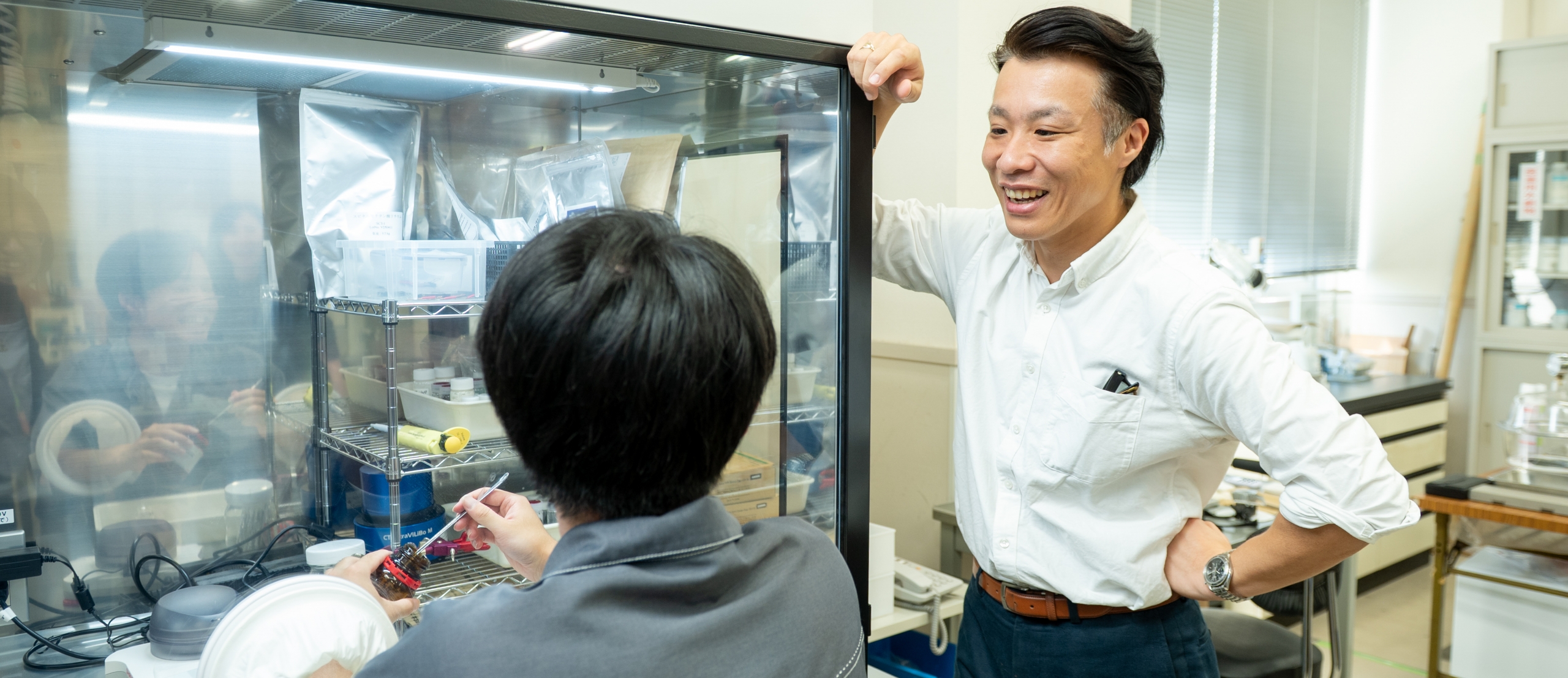
Taking advantage of the unique properties of ionic liquids—non-volatility, non-flammability, and wide electrochemical windows—we design electrolytes for lithium-ion batteries and apply them to the dissolution and chemical modification of natural polymers such as cellulose. Through these approaches, our research aims to create environmentally friendly materials that contribute to a sustainable society from both energy and biomass perspectives.
Field of Chemistry, Graduate School of Engineering Associate Professor Takeshi Kakibe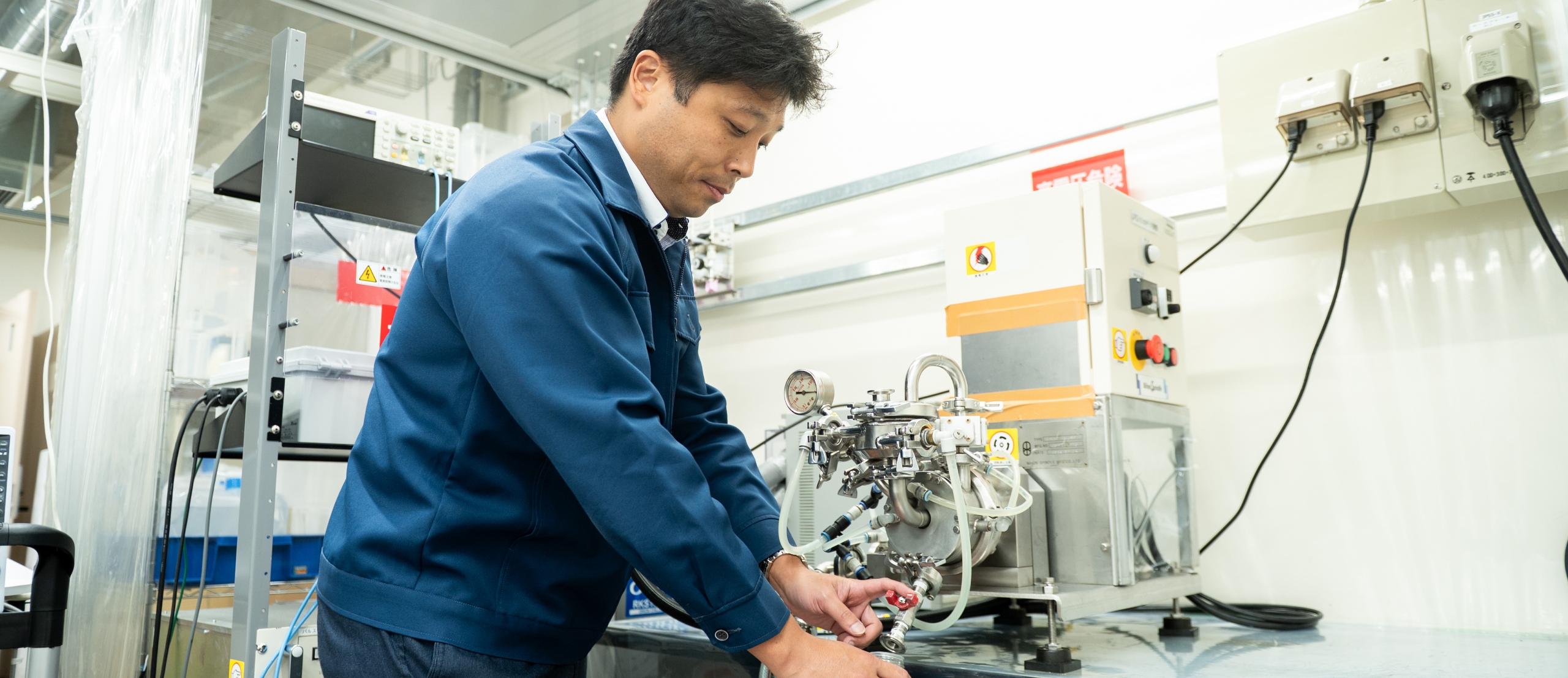
Pioneering Sustainable Agricultural, Medical, and Sanitation Solutions Powered by Water and Plasma
Field of Electrical and Electronic Eng., Graduate School of Engineering Associate Professor Yoshihiro Oka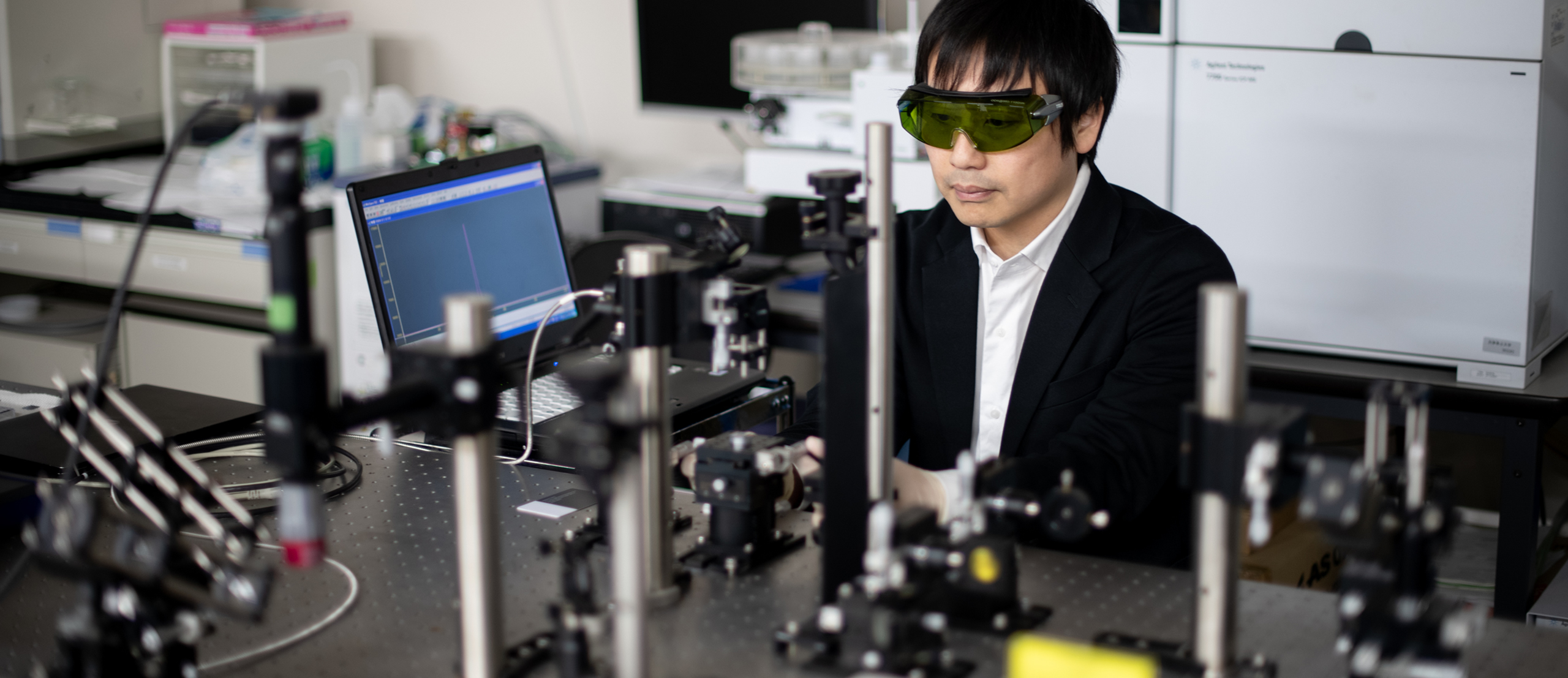
When metal-nanoparticle-deposited silicon is immersed in a hydrofluoric acid solution containing hydrogen peroxide, the silicon surface directly beneath the metal particles is preferentially etched, resulting in the formation of porous silicon with a unique nanostructure. We are developing a novel analytical technique by utilizing this porous silicon as a substrate for laser-based analysis.
Field of Chemistry, Graduate School of Engineering Assistant Professor Ayumu Matsumoto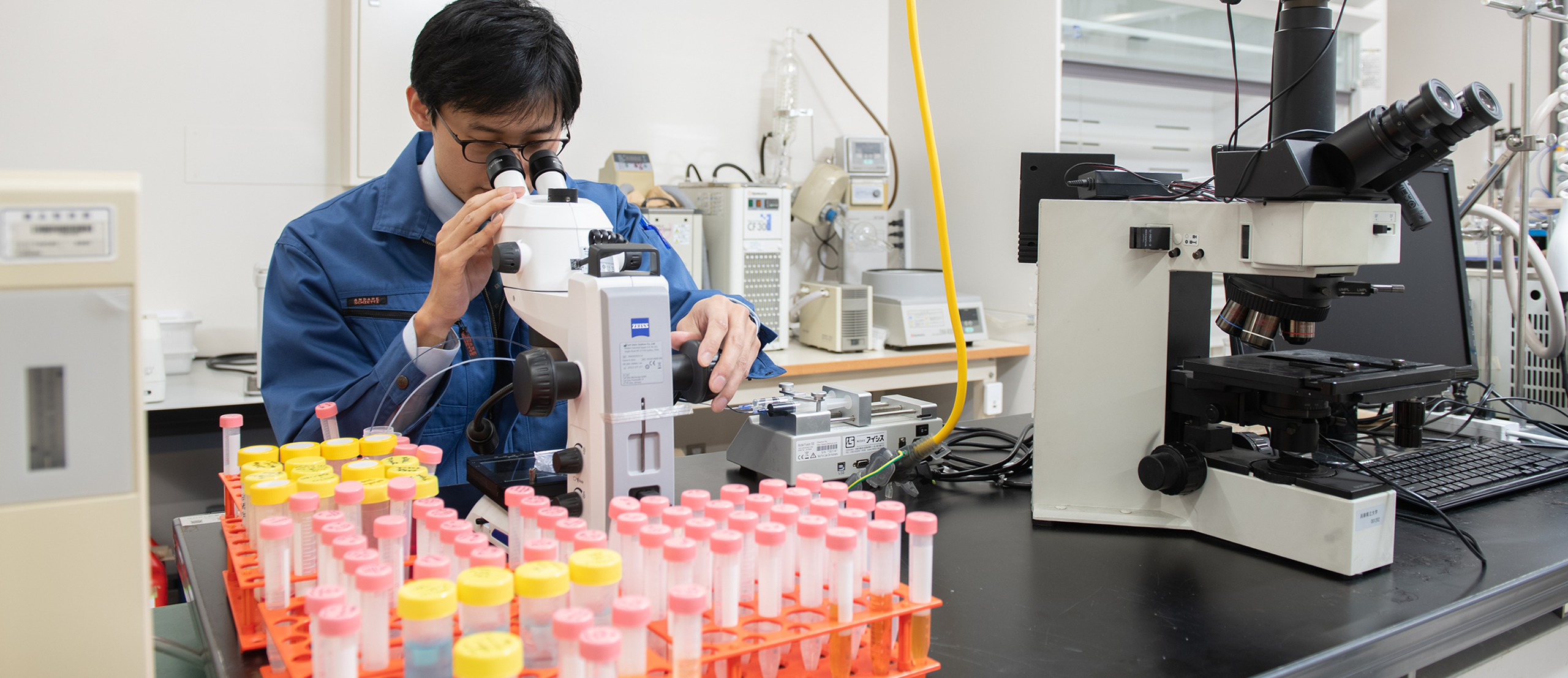
I am engaged in the development of functional membrane materials using molecular assemblies such as phospholipid membranes. These assemblies are composed of amphiphilic phospholipids, which are the main components of biological membranes. They are expected to play important roles not only in the pharmaceutical field but also as soft materials for applications such as catalysis, adsorption, and crystallization.
Field of Chemistry, Graduate School of Engineering Assistant Professor Shogo Taguchi
Porous catalyst materials are developed by utilizing the structure of alloys. Catalytic materials with different properties could be prepared by varying the constituent elements, composition ratios, structures and preparation conditions of the precursor alloys.
Field of Chemistry, Graduate School of Engineering Associate Professor Ai Nozaki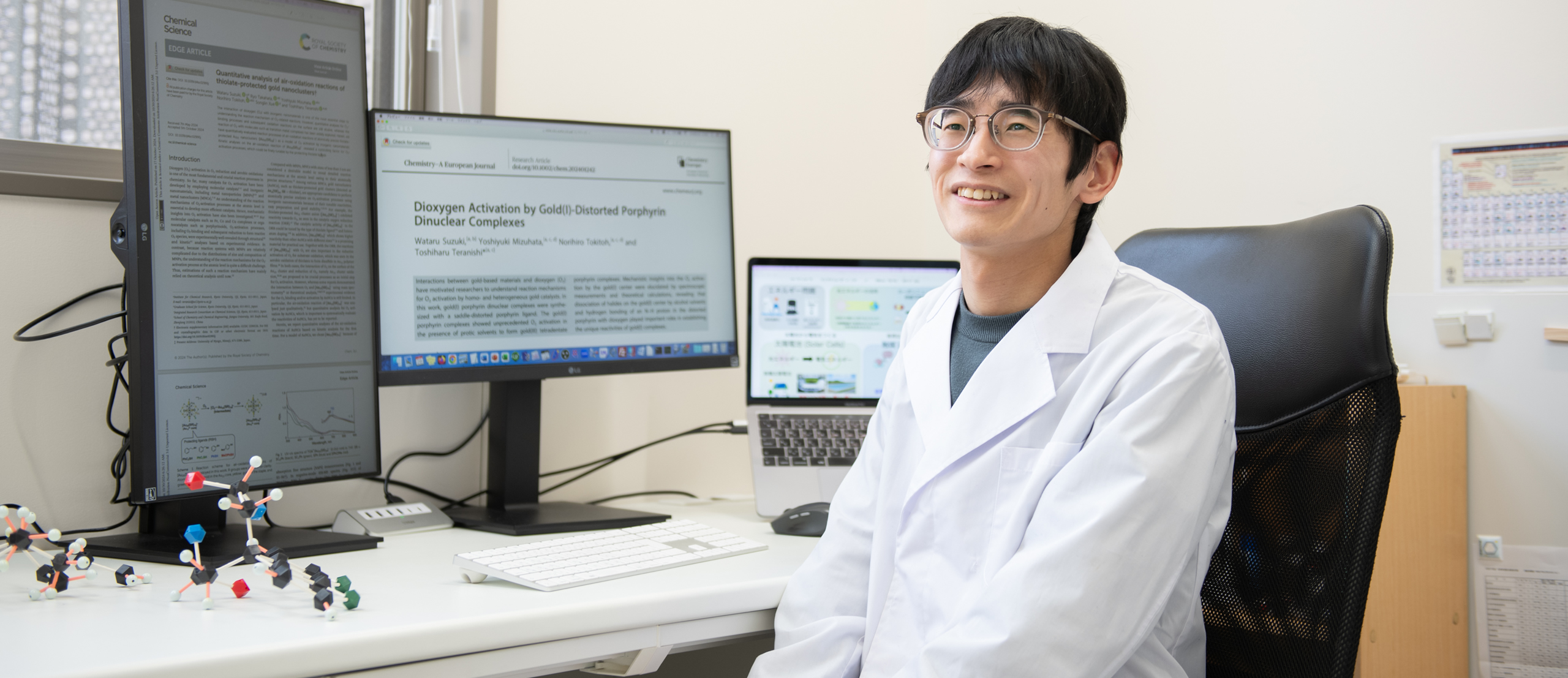
Meatal nanoclusters with the size of less than 2 nm exihibit unique reactivity and photophisical properties that are distinctly different from those of metal nanoparticles. Our target is developing novel metal nanocluster-based functional materials through atomic level structural engineering.
Field of Chemistry, Graduate School of Engineering Assistant Professor Wataru Suzuki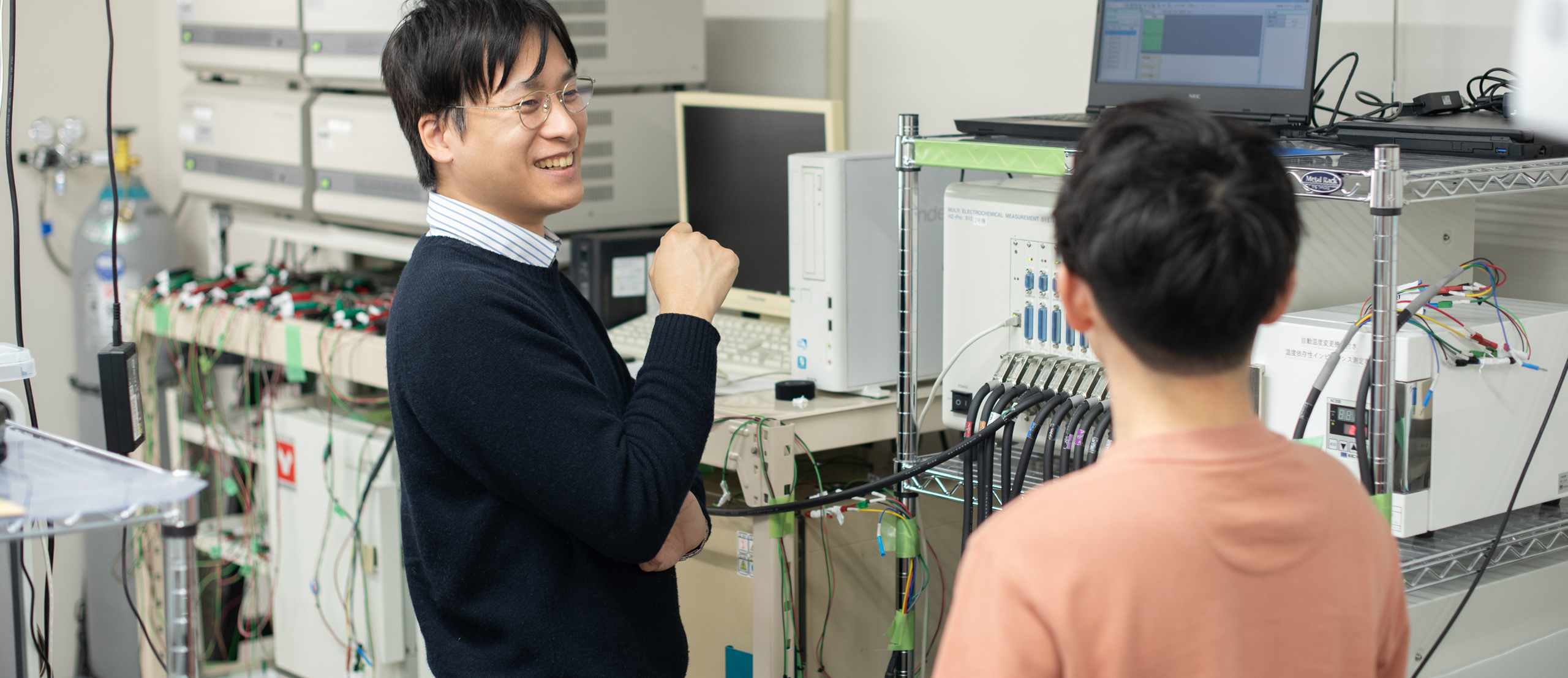
Smartphones and electric vehicles run on rechargeable batteries. To make charging faster, it is essential to design battery materials that can handle high-speed charging. Our research focuses on discovering which factors in battery materials affect their reaction rate, with the goal of providing guidelines for designing better, faster-charging batteries.
Field of Chemistry, Graduate School of Engineering Associate Professor Junichi Inamoto
In advanced semiconductor microfabrication, extreme ultraviolet (EUV) light with a wavelength of 13.5 nm is used (EUV lithography). To process semiconductor circuits just tens of nanometers wide, improving the performance of photoresists (1), which serve as photosensitive materials, is essential. Using synchrotron radiation, we are evaluating resist performance and investigating the factors that contribute to the development of higher-performance resist materials.
Field of Synchrotron Radiation Eng., Graduate School of Engineering Associate Professor Shinji Yamakawa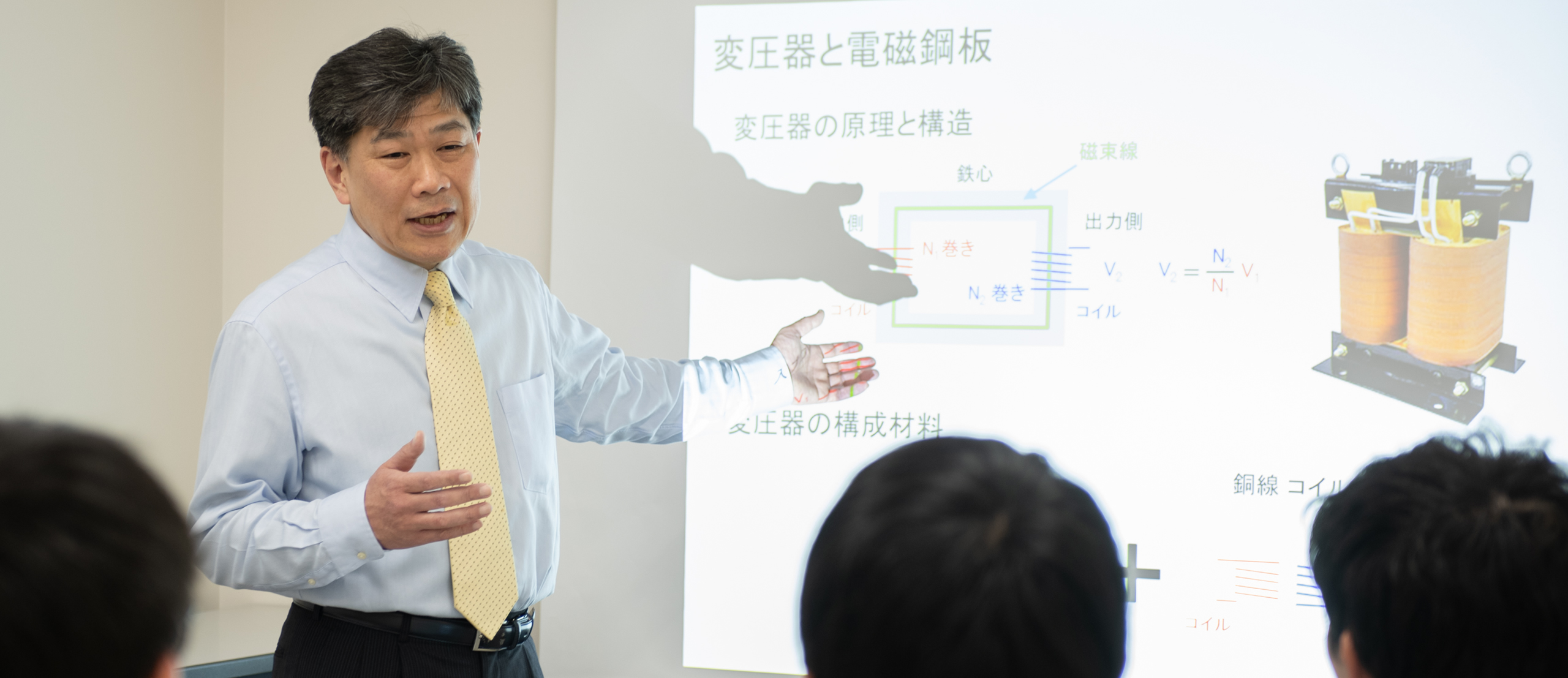
Demand for electrical steel sheets, essential for high-efficiency transformers and motors, is increasing. We are conducting research into the fabrication of low-loss electrical steel sheets.
Field of Materials Design, Graduate School of Engineering Assistant Professor Daisuke Okai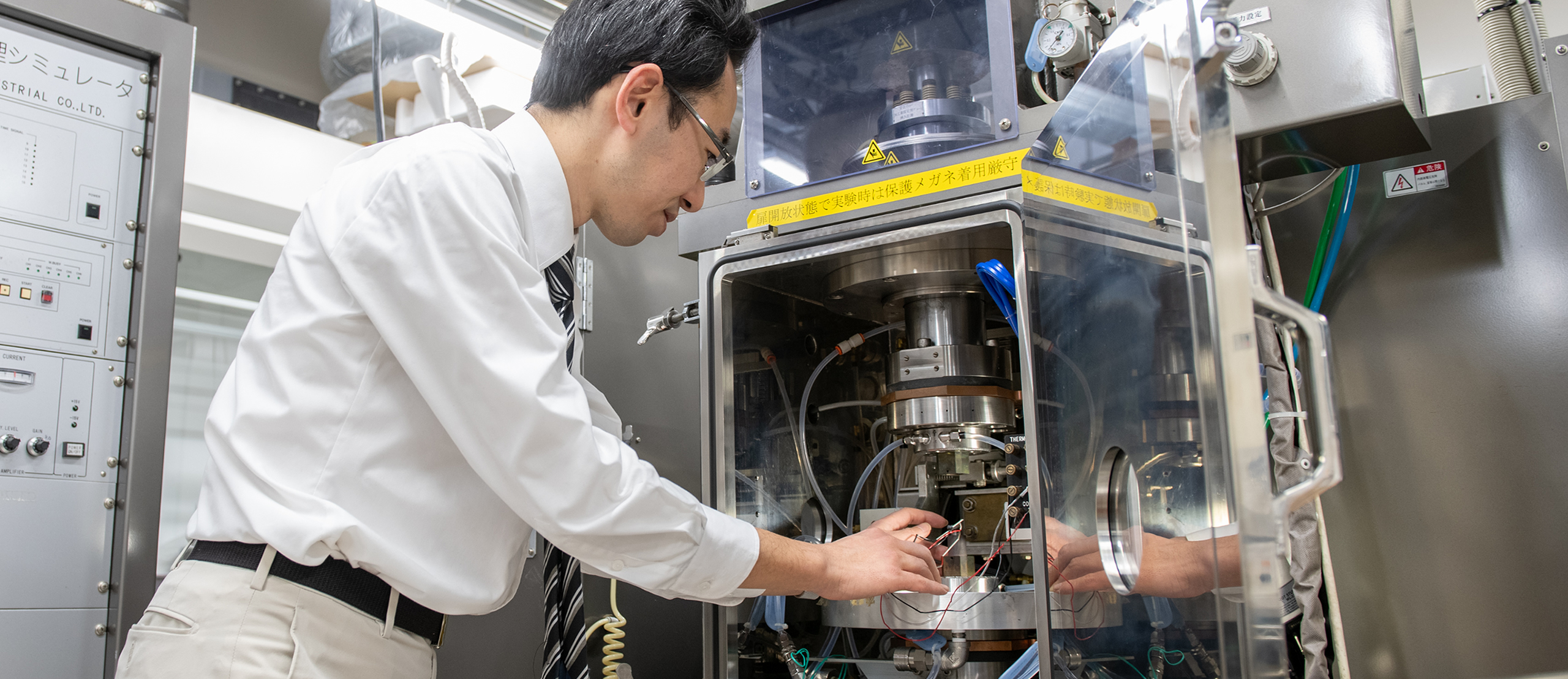
In-situ X-ray diffraction measurement of high-temperature deformation by synchrotron radiation X-rays
Field of Materials Design, Graduate School of Engineering Assistant Professor Atsushi Ito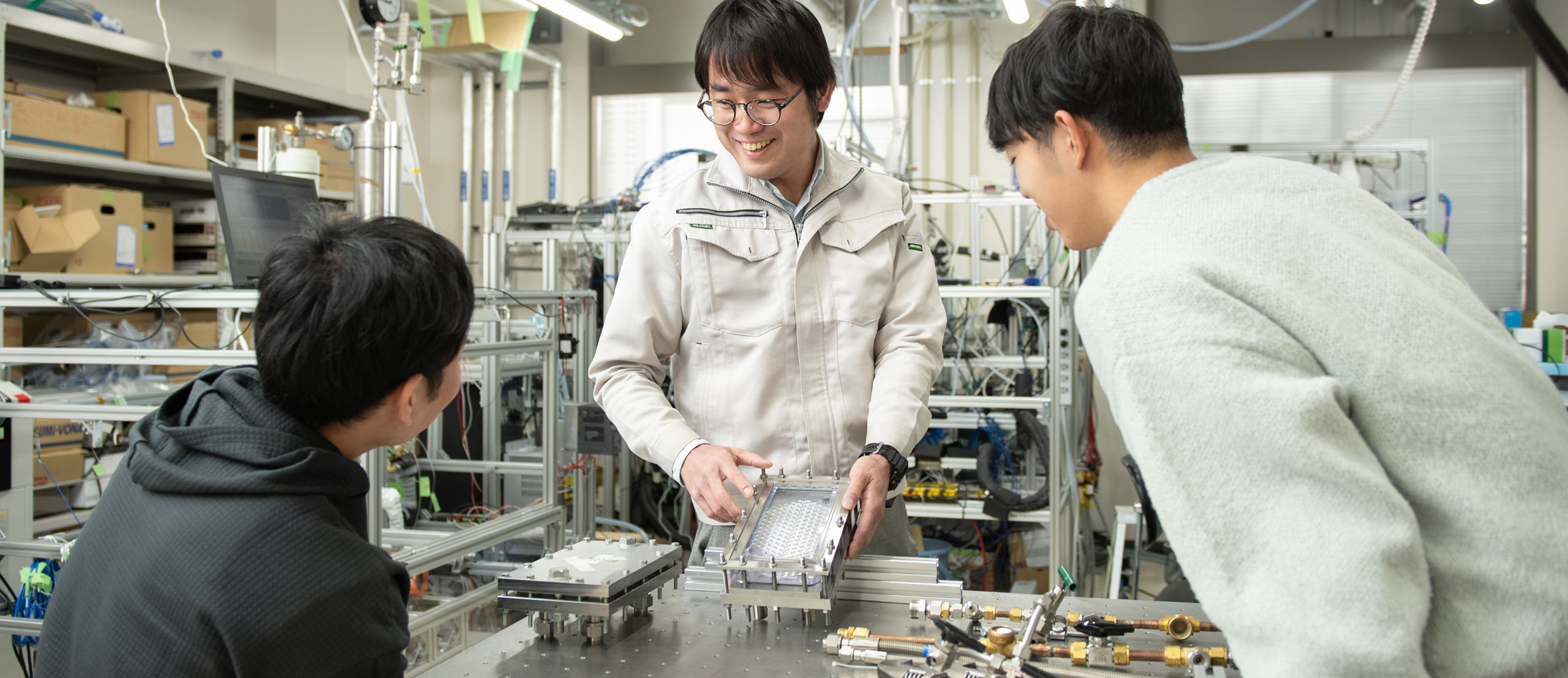
Towards Efficient Cooling of Power Electronics and Semiconductor Devices
Field of Mechanical Eng., Graduate School of Engineering Assistant Professor Tomoki Hirokawa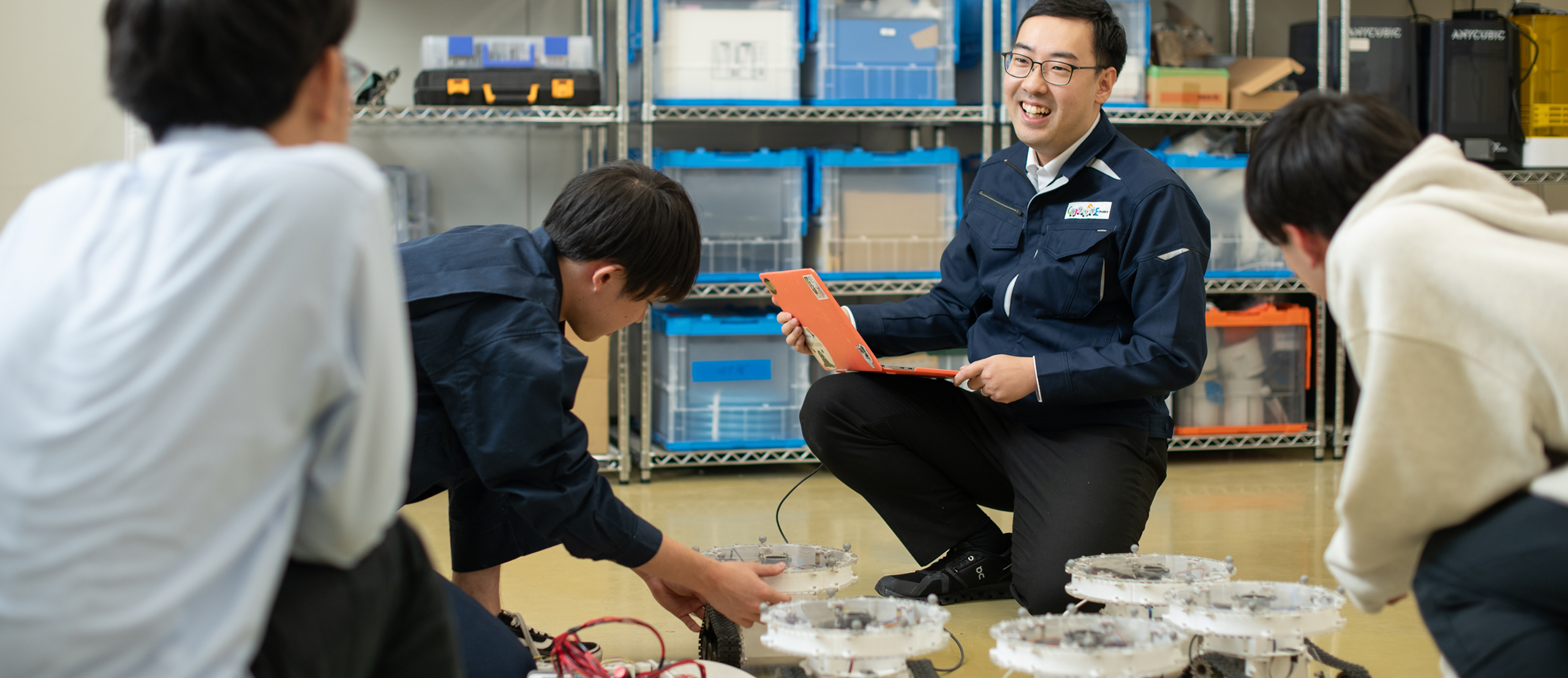
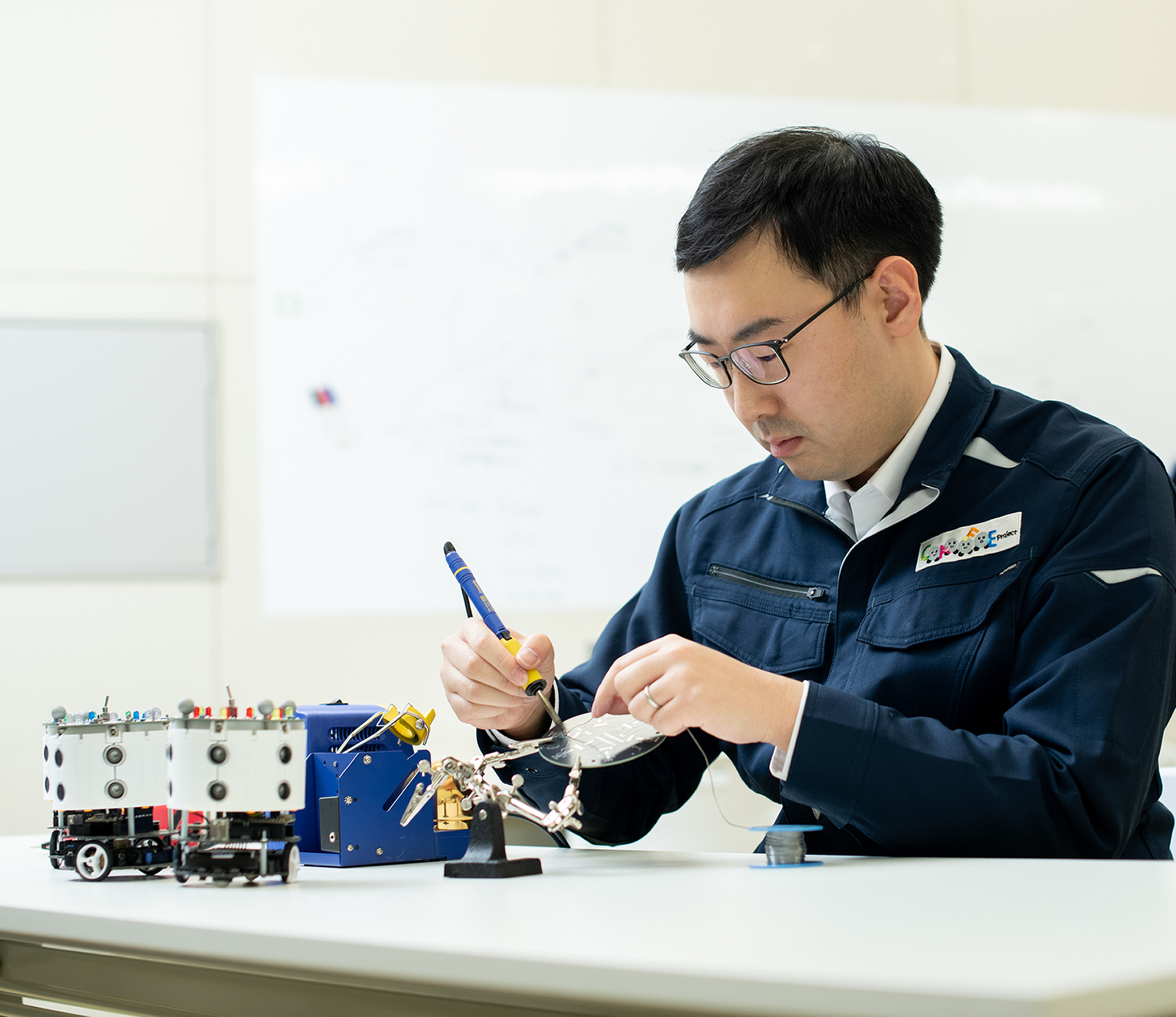
自然環境で生き抜く生物群が見せる「知」に学び、過酷な環境でもしぶとく活躍できる群ロボットシステムの開発に取り組んでいます。
Field of Mechanical Eng., Graduate School of Engineering Associate Professor Yusuke Tsunoda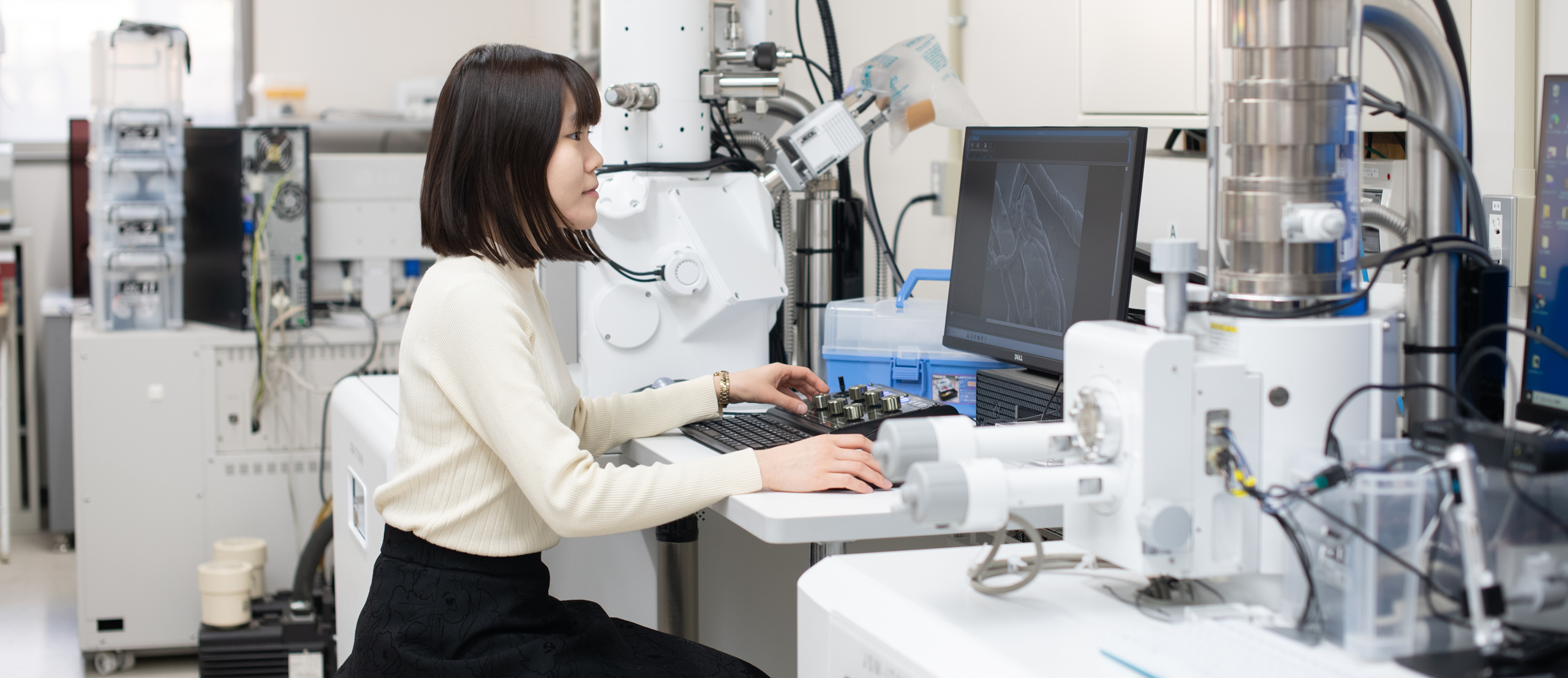
Polymer materials are increasingly being used as tribological materials; however, many aspects of their lubrication properties remain poorly understood. Our research aims to elucidate the detailed mechanisms of friction and wear in polymers by analyzing the structure of the frictional interface across multiple scales.
Field of Mechanical Eng., Graduate School of Engineering Assistant Professor Serina Tanaka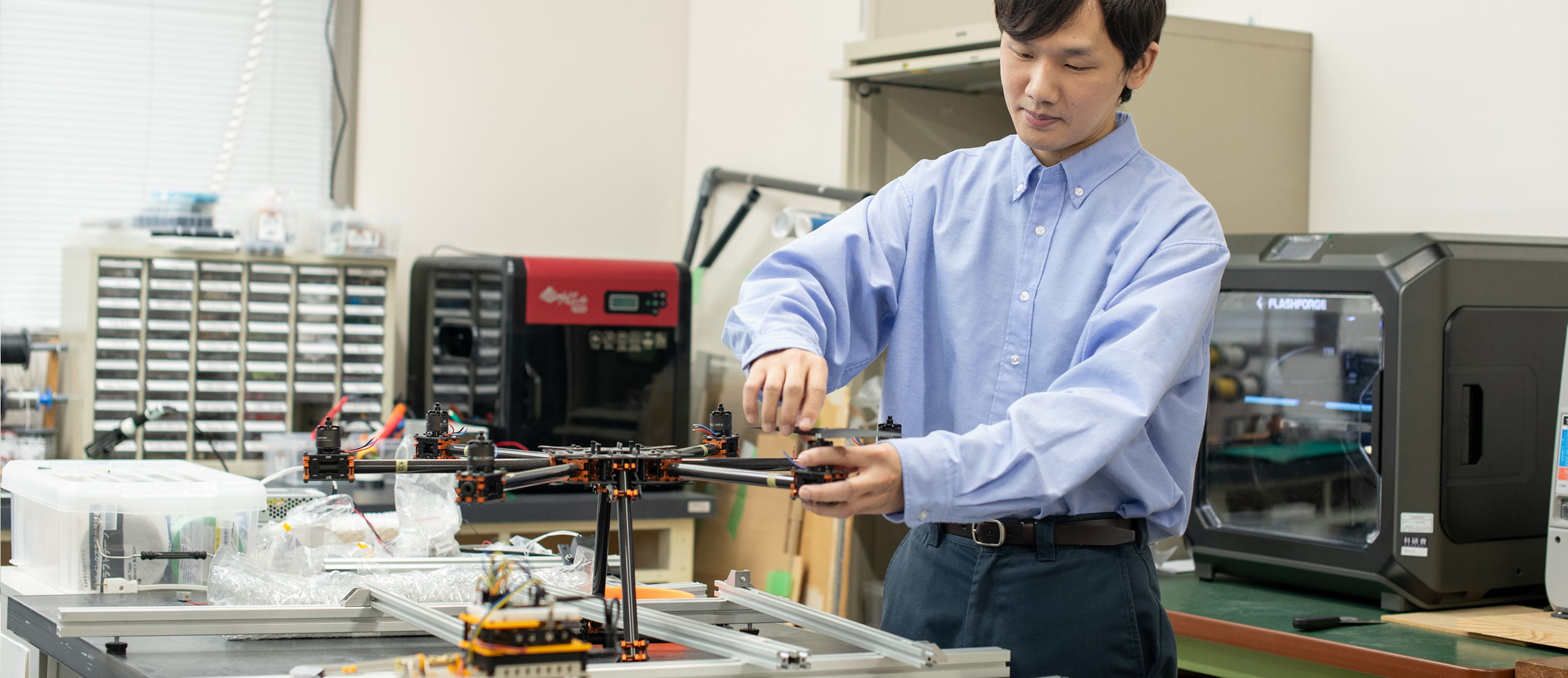
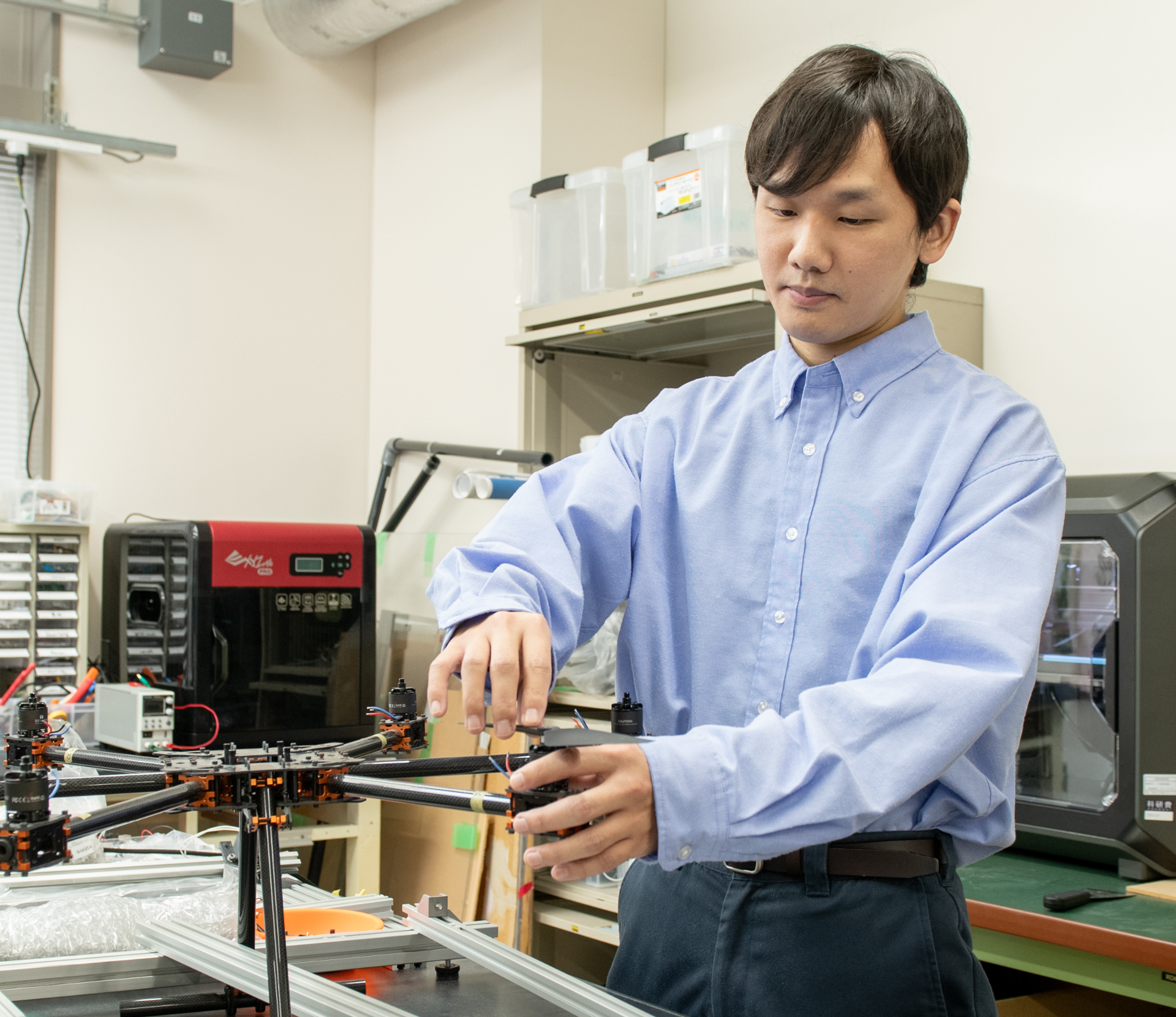
Drones with redundant actuators, such as extra motors and propellers, are now being developed. Although they offer great potential, their control design is more complex than that of conventional drones. Our research focuses on unlocking this potential and pursuing advanced control methods that provide added value, including energy efficiency.
Field of Mechanical Eng., Graduate School of Engineering Assistant Professor Natsuki Kawaguchi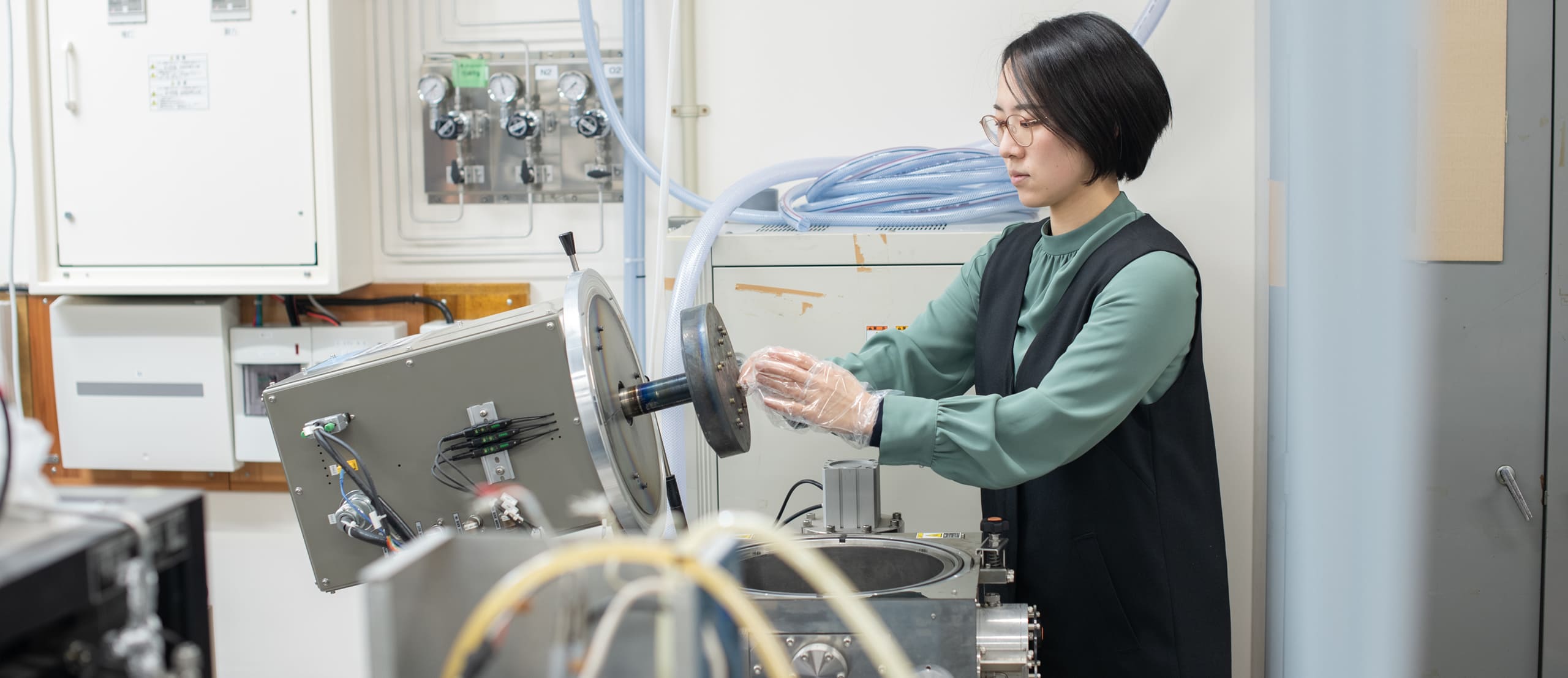
It is well known that thin-film properties are strongly influenced by the surface state of the underlying substrate. However, there have been relatively few studies in which thin-film properties were controlled through the deliberate manipulation of substrate surface states, such as atomic periodicity and cleanliness. In this study, we extend ultraprecision processing techniques—originally developed for X-ray mirror fabrication—to the control of thin-film properties, and investigate property modulation achieved through such processing.
Field of Electrical and Electronic Eng., Graduate School of Engineering Assistant Professor Ai Osaka
It is essential to use computer simulations to improve the performance of photonic devices. Our research focuses on developing high-performance numerical simulation methods to enable further progress in optical information processing and communications.
Field of AI and Informatics, Graduate School of Engineering Associate Professor Keita Morimoto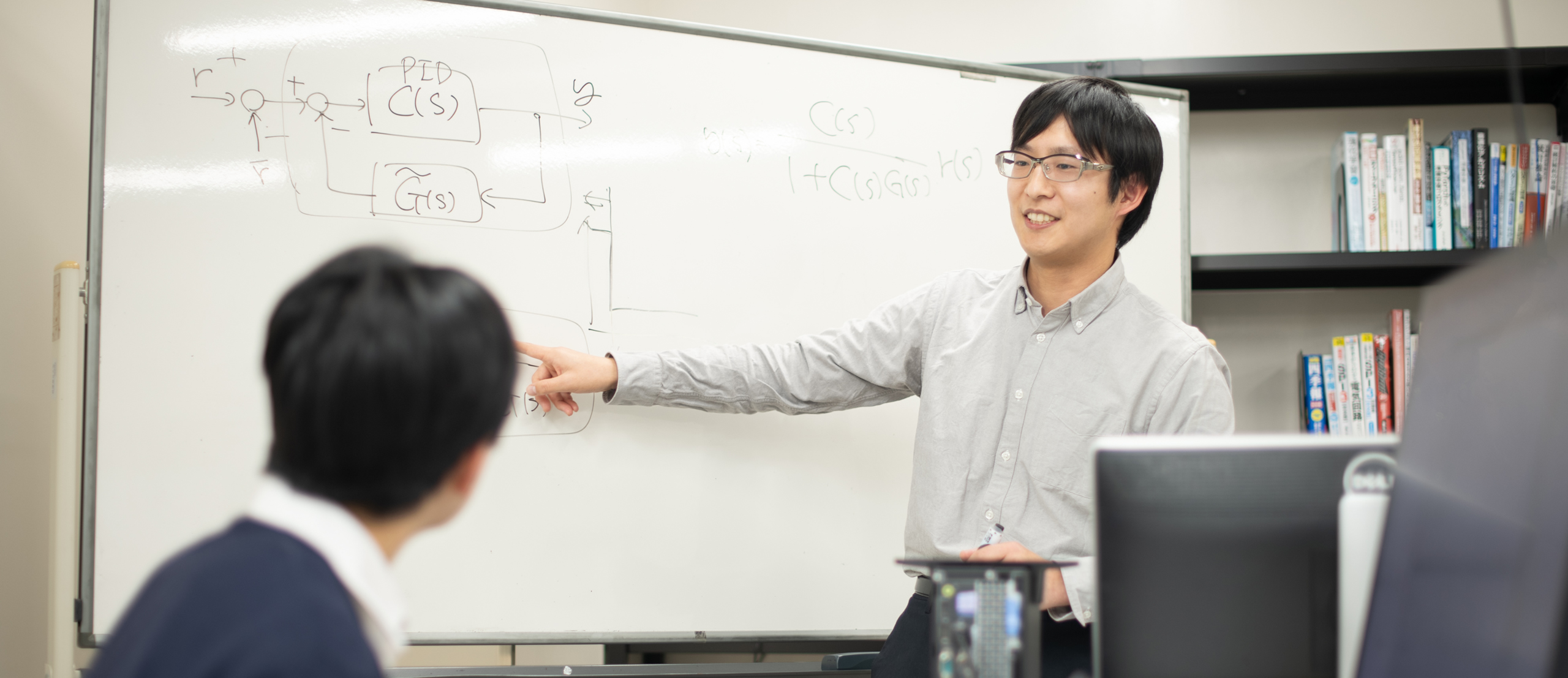
Optimal control provides a framework for designing controllers that maximize the dynamic performance of a given system configuration. We aim to extend this framework beyond traditional optimal control to establish methodologies for optimal system design, in which both the controller and the structural components of the system are designed simultaneously.
Field of Electrical and Electronic Eng., Graduate School of Engineering Assistant Professor Hikaru Hoshino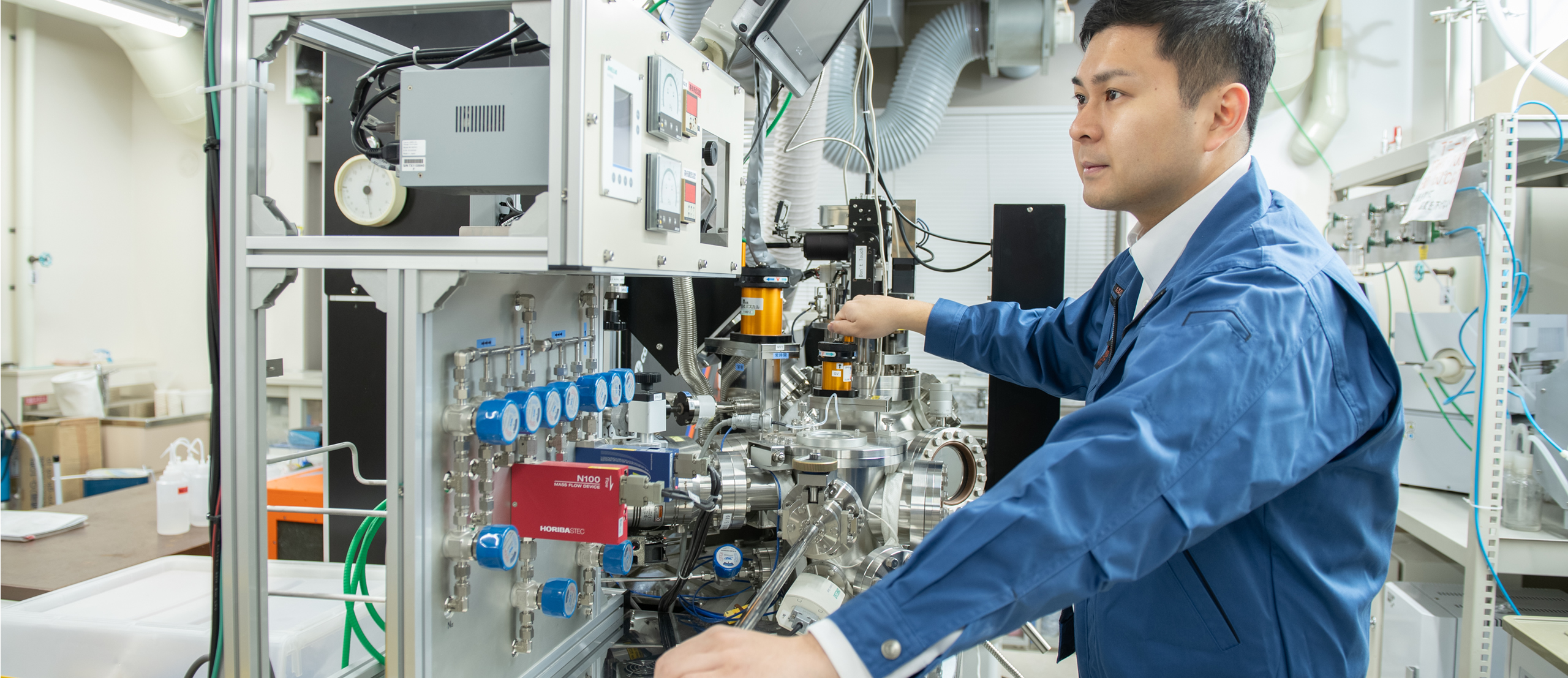
Biological cells exhibit remarkable functionalities that are difficult to achieve using inorganic materials alone, including self-repair, flexibility, environmental adaptability, and advanced parallel information processing. Our research aims to directly incorporate these exceptional capabilities of living cells into silicon-based electronic devices. To this end, we are developing interface materials that bridge biological cells and silicon, and investigating the emergent electronic properties arising from their integration.
Field of Electrical and Electronic Eng., Graduate School of Engineering Assistant Professor Kaito Fujitani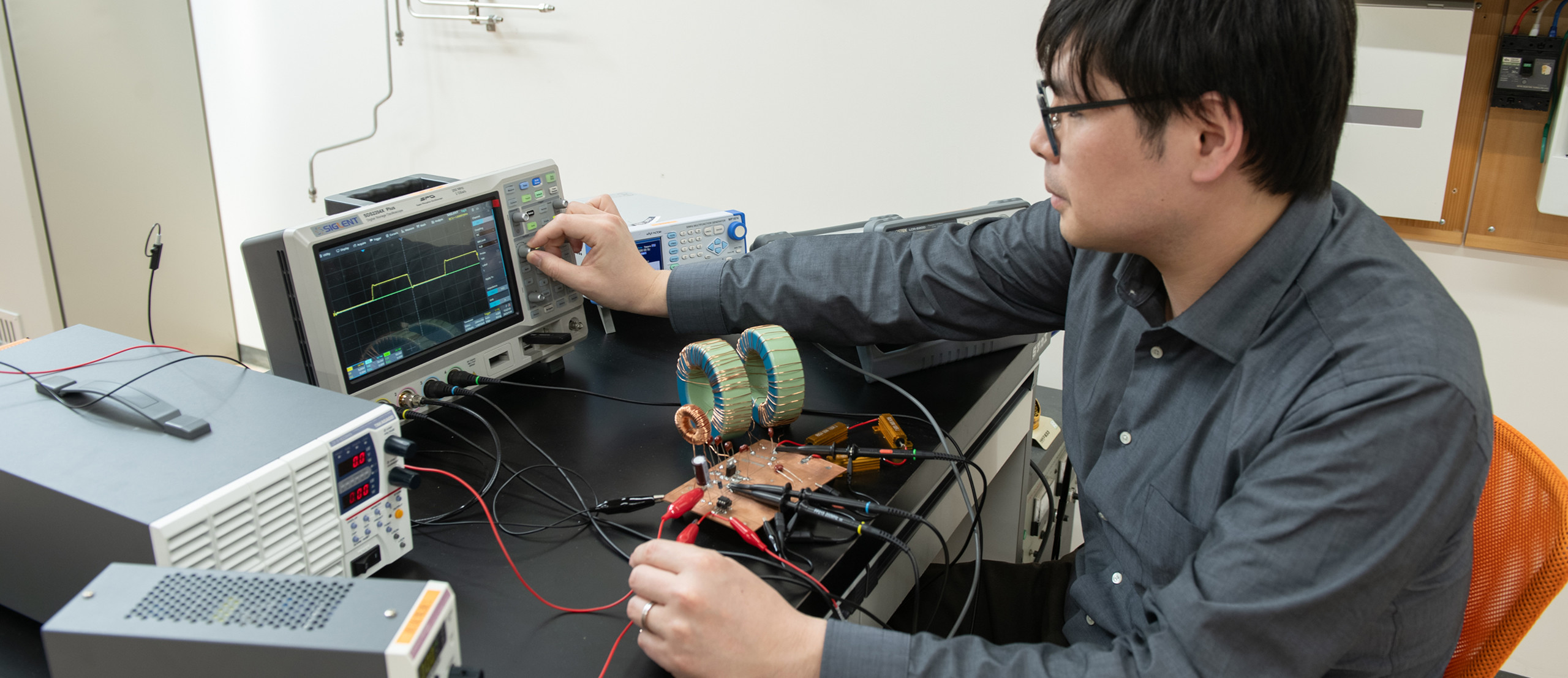
In recent years, the advent of next-generation power semiconductor devices such as SiC and GaN has accelerated the trend toward higher switching frequencies in power supply circuits. However, increasing the switching frequency inevitably leads to higher switching losses. In this study, we derive analytical expressions for a specific circuit model and determine the circuit parameters that satisfy both soft-switching operation and load-independent operation.
Field of Electrical and Electronic Eng., Graduate School of Engineering Assistant Professor Tatsuki Osato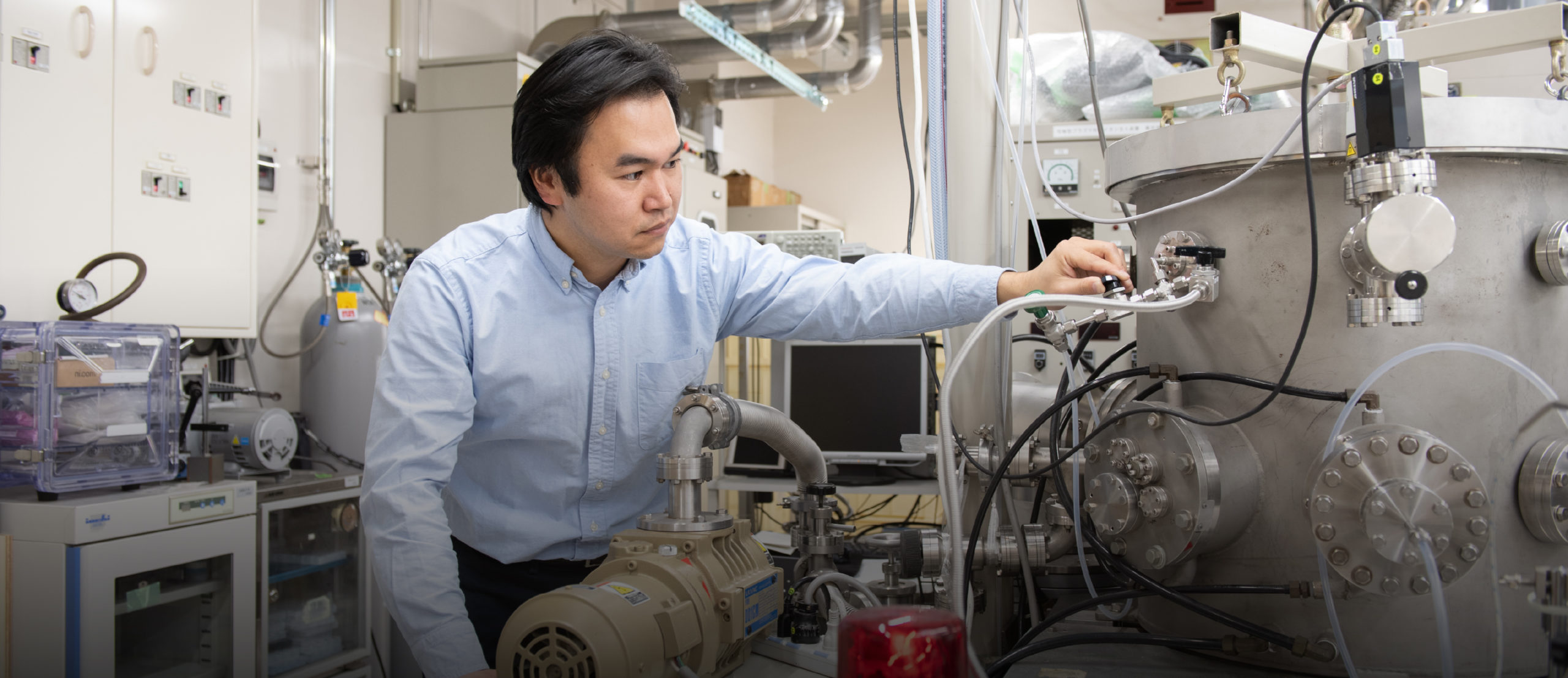
Diamond is a material with outstanding physical and chemical properties. My research focuses on expanding the versatility of diamond coatings—currently limited to specialized applications—to enable their use across a wide range of industries.
Field of Mechanical Eng., Graduate School of Engineering Associate Professor Ippei TanakaLearn about the cutting-edge research achievements, advanced technical resources, and know-how that the Graduate School of Engineering at the University of Hyogo can provide. We welcome partners who can create the future together with us by jointly generating new ideas and technologies through collaborative research, commissioned research, and technical consultations.
More